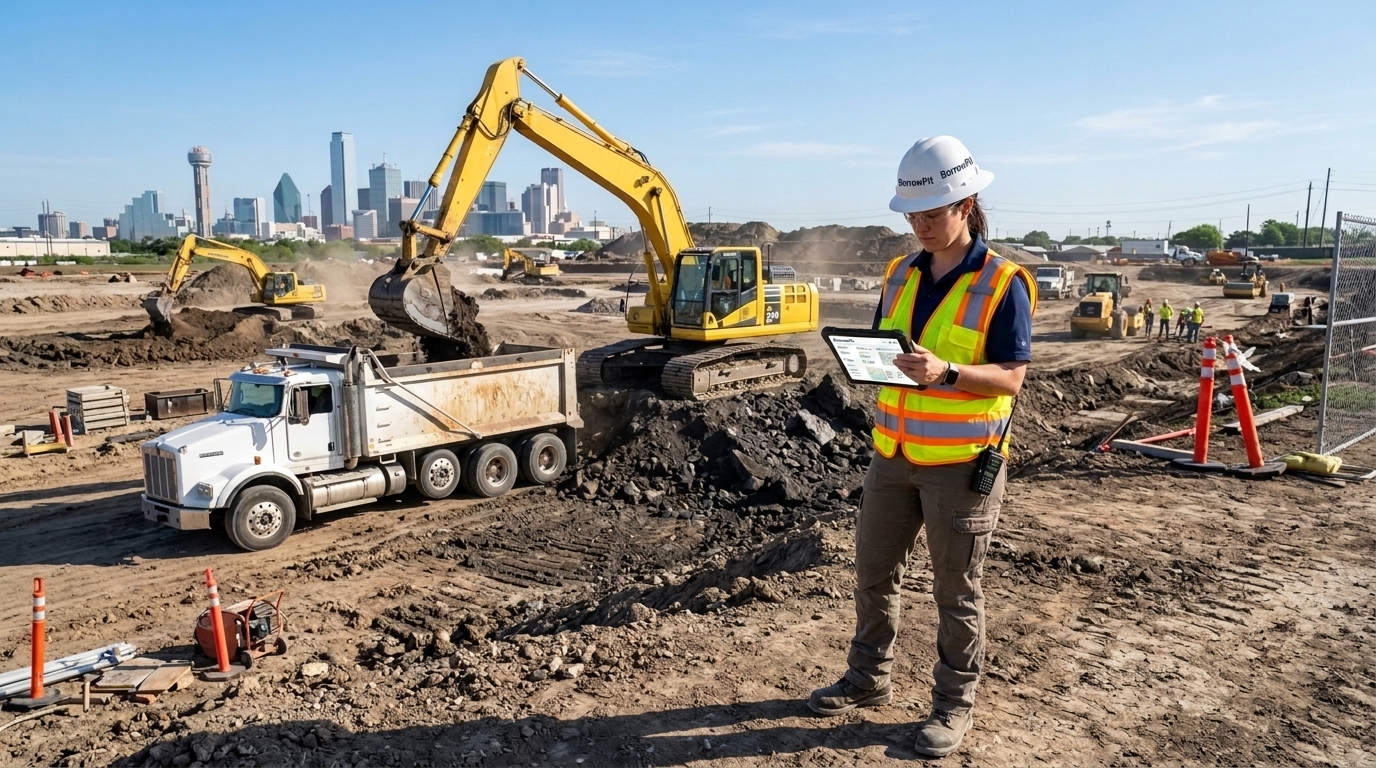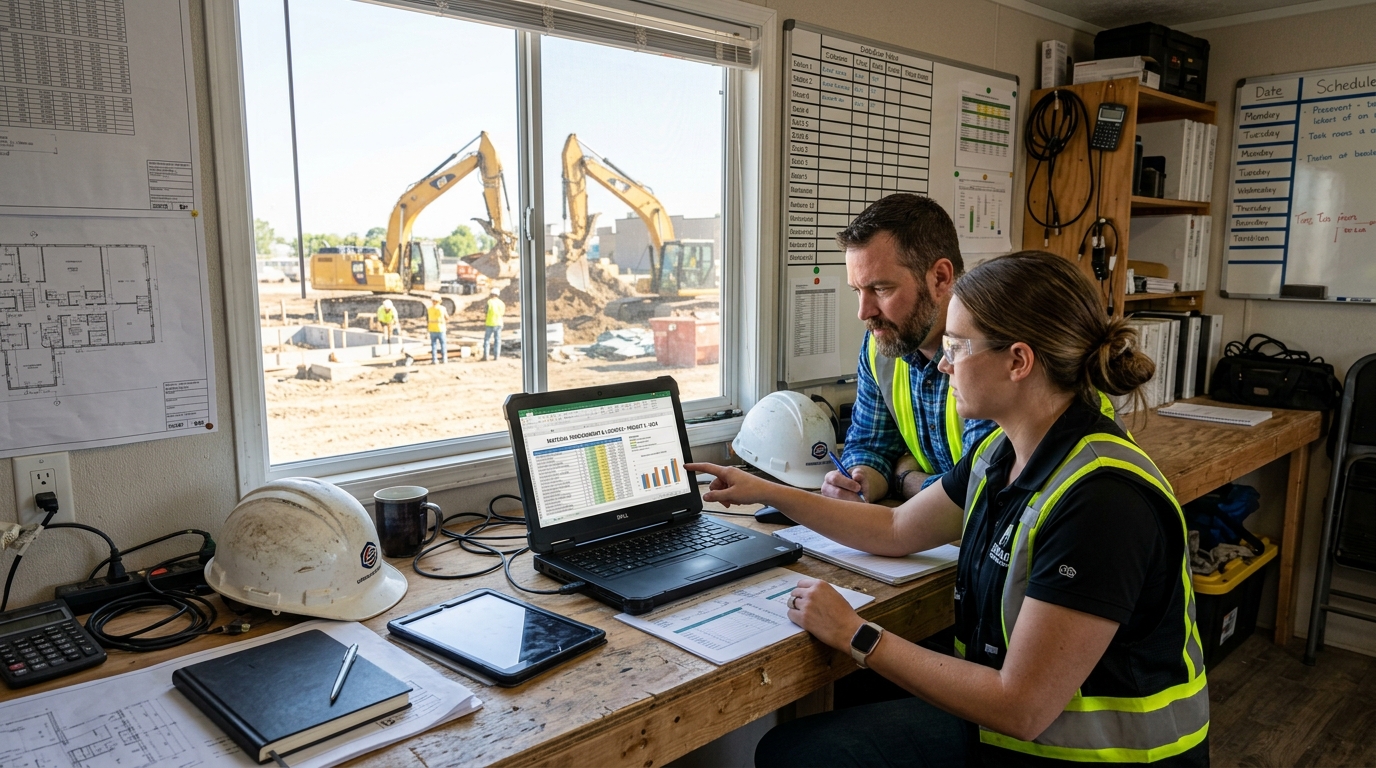
If you’ve ever searched for what is a borrow pit, chances are you’re working on a construction project that requires large volumes of fill dirt, sand, clay, or other earth materials. In the construction industry, a borrow pit is one of the most common sources of bulk material for highways, commercial developments, subdivisions, and infrastructure projects.
From major Texas highway expansions to large-scale site development projects, contractors rely on borrow pits to secure cost-effective earthwork materials without transporting them from distant quarries or suppliers. Understanding how borrow pits operate, how they are permitted, and how they fit into modern earthwork material sourcing can help contractors make smarter procurement decisions.
What Is a Borrow Pit?
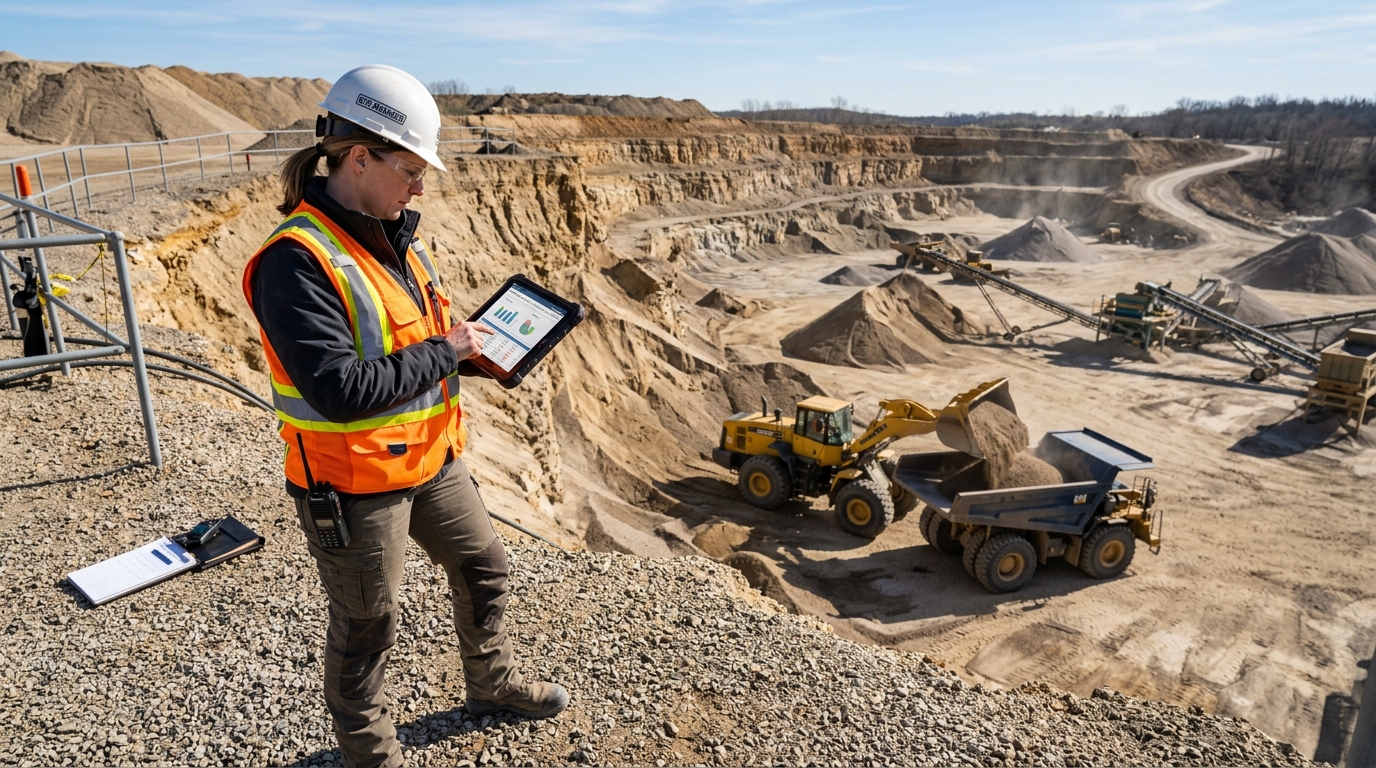
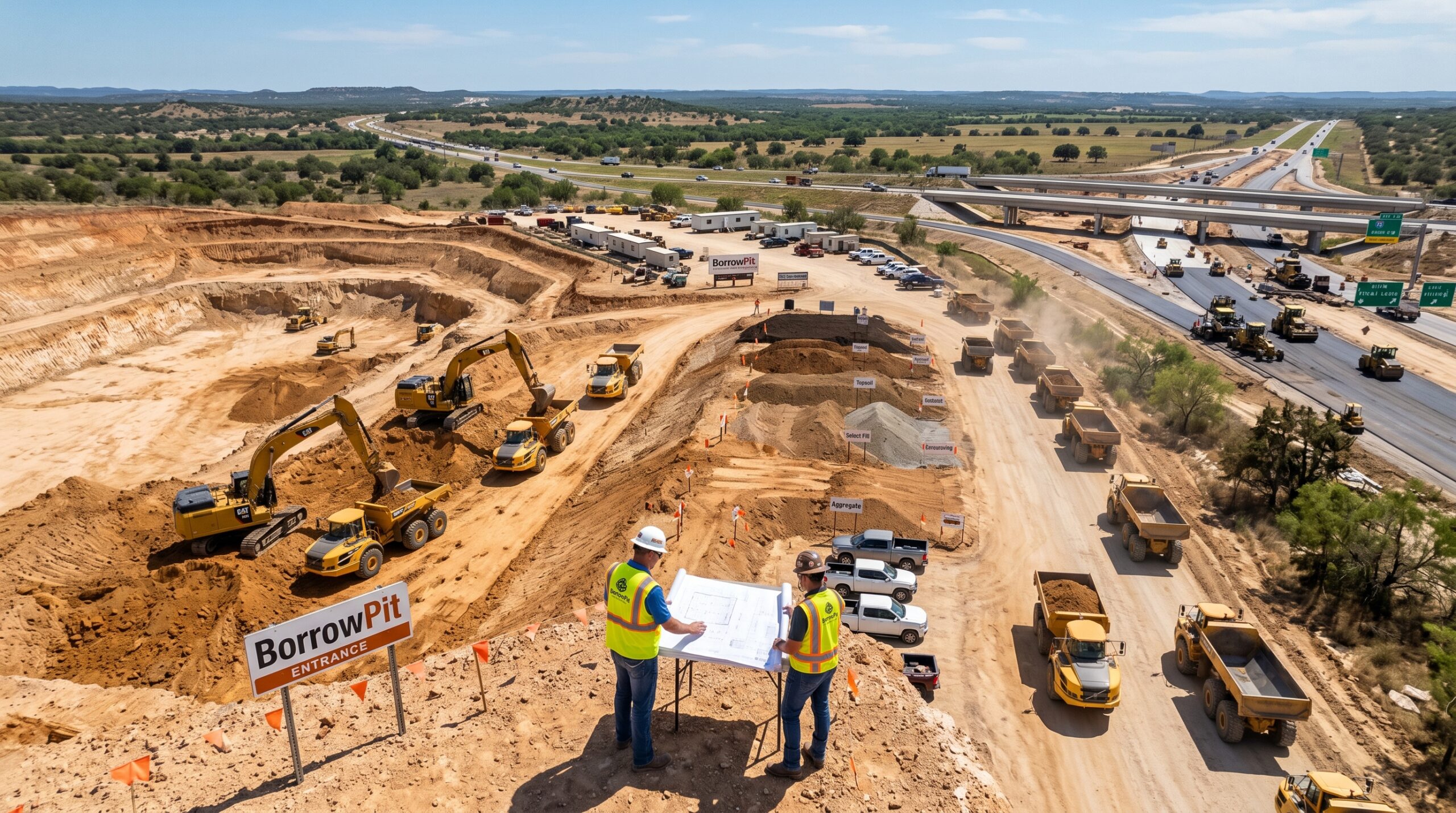
The simplest borrow pit definition is a designated excavation area where soil, sand, gravel, clay, or other construction fill material is removed for use at another location.
The term “borrow” comes from the idea that material is being taken from one site and used somewhere else. Unlike a permanent quarry or mining operation, a borrow pit is often developed specifically to support nearby construction projects.
When contractors ask what is a borrow pit in construction, they are usually referring to a source of fill material used for grading, embankments, roadway construction, site preparation, or structural fills. Borrow pits play an important role in reducing hauling distances and controlling project costs.
Across Texas, borrow pits frequently support projects along major transportation corridors such as I-35, I-45, US-290, and expanding suburban developments in Dallas-Fort Worth, Austin, Houston, and San Antonio.
The Borrow Pit Definition and Origin
Before modern transportation networks existed, construction crews often sourced materials directly from nearby land. This practice evolved into today’s borrow pit industry.
A borrow pit is essentially a borrow area earthwork operation where material is excavated from one location and transported to a project requiring fill. Depending on site conditions, borrow pits may contain:
- Fill dirt
- Sandy soils
- Clay materials
- Road base materials
- Engineered fill dirt
- Structural embankment material
The popularity of borrow pits continues because transportation costs remain one of the largest expenses in earthmoving operations. Sourcing material closer to a project can significantly reduce trucking costs and improve project schedules.
Why Borrow Pits Exist
Every major earthwork project has two basic challenges:
- Finding enough material.
- Moving that material efficiently.
A highway expansion may require hundreds of thousands of cubic yards of fill. A commercial development may need significant grading before construction begins. Borrow pits provide a reliable source of material without relying solely on traditional aggregate producers.
According to the Federal Highway Administration (FHWA), earthwork operations remain one of the most critical components of transportation infrastructure development.
How Borrow Pit Construction Operations Work
Not every piece of land can automatically become a borrow pit. Before excavation begins, property owners and operators typically must comply with local, state, and environmental regulations.
The borrow pit construction process usually starts with evaluating the site’s material quality, accessibility, environmental conditions, and transportation routes.
Once approved, operators excavate material and load it onto trucks for transport to active construction sites.
The Borrow Pit Permitting Process
The borrow pit permitting process varies by state and local jurisdiction.
In Texas, operators may need to address:
- Stormwater management requirements
- Erosion control measures
- Environmental assessments
- Local zoning regulations
- Site restoration plans
The Texas Commission on Environmental Quality (TCEQ) provides guidance related to environmental compliance for many earthwork and excavation activities.
Understanding borrow pit regulations is important because improperly managed excavation sites can create environmental and operational challenges.
For contractors purchasing material, verifying that a borrow source operates legally and responsibly is often part of the procurement process.
How Contractors Use Borrow Pits on Large Earthwork Projects
Large construction projects rarely rely on a single source of material. Contractors often combine borrow pit material, aggregates, and engineered fill depending on project specifications.
Understanding how do contractors use borrow pits helps explain why these sites remain essential to modern construction.
Projects that commonly utilize borrow pits include:
- Highway construction
- Commercial site development
- Industrial facilities
- Residential subdivisions
- Flood control projects
- Utility corridor construction
For example, a roadway expansion near Austin may require substantial embankment fill. Instead of hauling material from a distant supplier, contractors often source from nearby borrow pits to reduce transportation costs.
Common Materials Sourced from Borrow Pits
Not all borrow pits contain identical materials.
Depending on geology and location, contractors may source:
- Fill dirt
- Clay
- Sand
- Select fill
- Engineered fill dirt
- Structural embankment material
The suitability of material depends on project specifications and geotechnical requirements.
When evaluating how to source fill dirt for construction, contractors typically review material testing results, hauling distances, and project needs before selecting a source.
Borrow Pit vs Stockpile: What’s the Difference?
One of the most common questions contractors ask is about the borrow pit vs stockpile distinction.
While both provide access to construction materials, they serve different functions.
| Borrow Pit | Stockpile |
| Material remains in its natural location until excavated | Material has already been excavated and stored |
| Active excavation operation | Stored inventory |
| May require ongoing permitting and site management | Usually maintained for future use or resale |
| Often supports large earthwork projects | Common for short-term storage and redistribution |
Why the Distinction Matters
Understanding the difference between borrow pit and stockpile can influence project costs and logistics.
Borrow pits may offer larger material volumes and lower raw material costs. Stockpiles often provide faster availability because the material has already been processed or excavated.
The right choice depends on project timelines, hauling distances, and required material specifications.
Contractors managing large-scale developments throughout Texas frequently evaluate both options before making procurement decisions.
How to Find Borrow Pit Material Today
The process of locating earth materials has changed significantly over the past decade. Previously, contractors often relied on word-of-mouth referrals, local contacts, and extensive phone calls to locate material sources. Today, digital platforms are improving visibility within the bulk earth materials marketplace.
BorrowPit was created specifically to help contractors, suppliers, brokers, and material owners connect more efficiently. The platform supports modern construction aggregate sourcing and earthwork procurement by making material opportunities easier to discover.
Contractors can learn more about the company’s mission through the BorrowPit About Us page.
BorrowPit also supports two different approaches:
- Material Brokering Services – Contractors can request assistance sourcing material through direct communication with the BorrowPit team.
- Advertising Listings – Suppliers can advertise available material directly to buyers for $249 per month, allowing buyers and sellers to connect without intermediary involvement.
As demand for fill material continues to increase across Texas construction markets, digital sourcing solutions are becoming an increasingly valuable resource.
For project-specific inquiries, additional information is available through the BorrowPit contact page.
Whether you’re looking to buy fill dirt near me, locate fill dirt for sale near me, or market available material from your property, digital sourcing tools are helping simplify the process.
Conclusion
Understanding what is a borrow pit gives contractors a clearer picture of how bulk earth materials move through the construction industry. Borrow pits provide essential fill materials for highways, subdivisions, commercial developments, and infrastructure projects while helping control transportation costs and improve project efficiency.
From the borrow pit permitting process to material selection and logistics planning, these sites remain a critical part of modern construction operations. As digital sourcing continues to evolve, platforms like BorrowPit are making it easier for contractors, suppliers, and brokers to connect within the growing construction materials marketplace.
If you’re evaluating sourcing options for an upcoming project, exploring available material opportunities and listing available resources can help streamline procurement while expanding access to qualified buyers and suppliers.
FAQs
What is a borrow pit in construction?
A borrow pit is an excavation area where soil, sand, clay, or other earth materials are removed and transported for use on another construction project.
How do contractors use borrow pits?
Contractors use borrow pits to source fill dirt, embankment material, engineered fill, and other earthwork materials needed for grading, road construction, and site development.
What is the difference between a borrow pit and a stockpile?
A borrow pit contains material that has not yet been excavated, while a stockpile consists of material that has already been removed and stored for future use.
Do borrow pits require permits?
Yes. Most borrow pits must comply with local, state, and environmental regulations governing excavation activities and site management.
How can I find fill dirt near me?
Contractors can locate fill dirt through local suppliers, borrow pit operators, brokers, and digital material sourcing platforms that connect buyers with available earth materials.