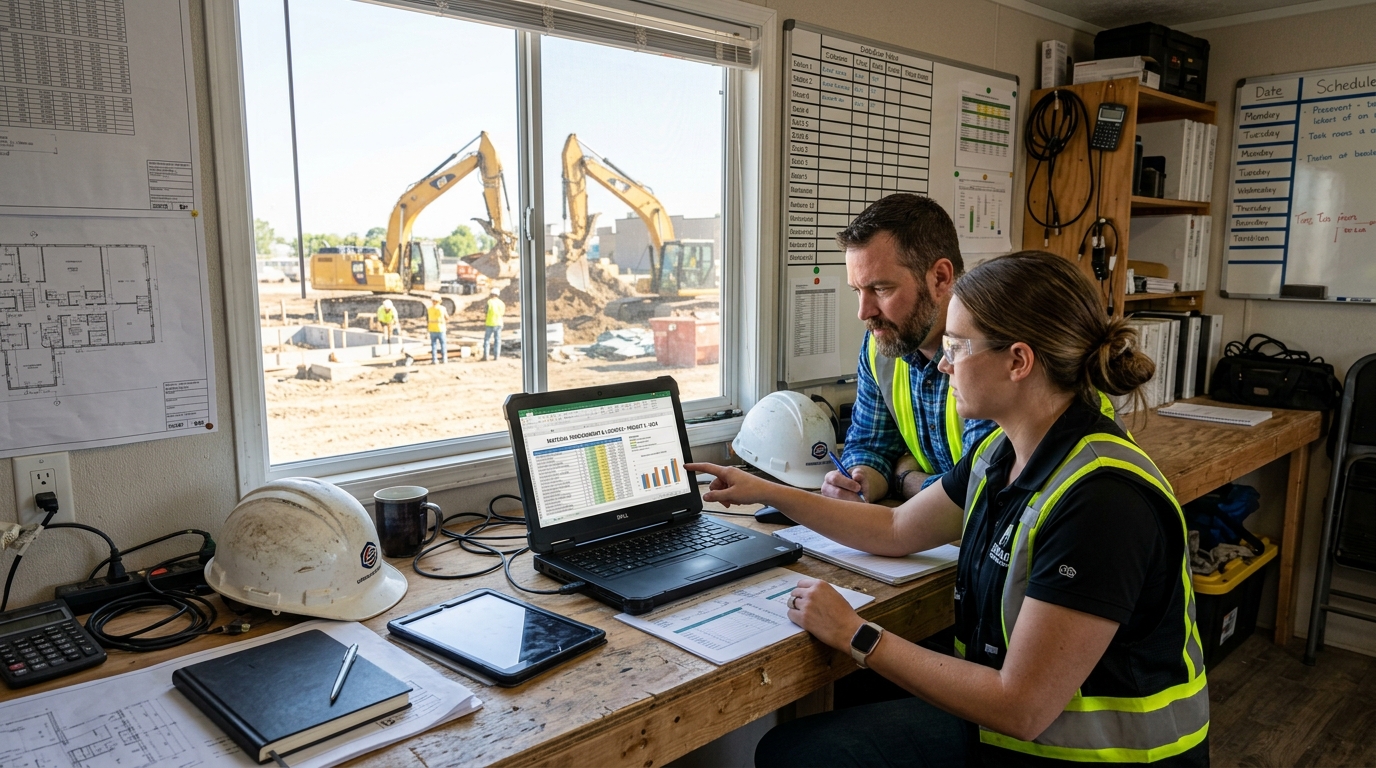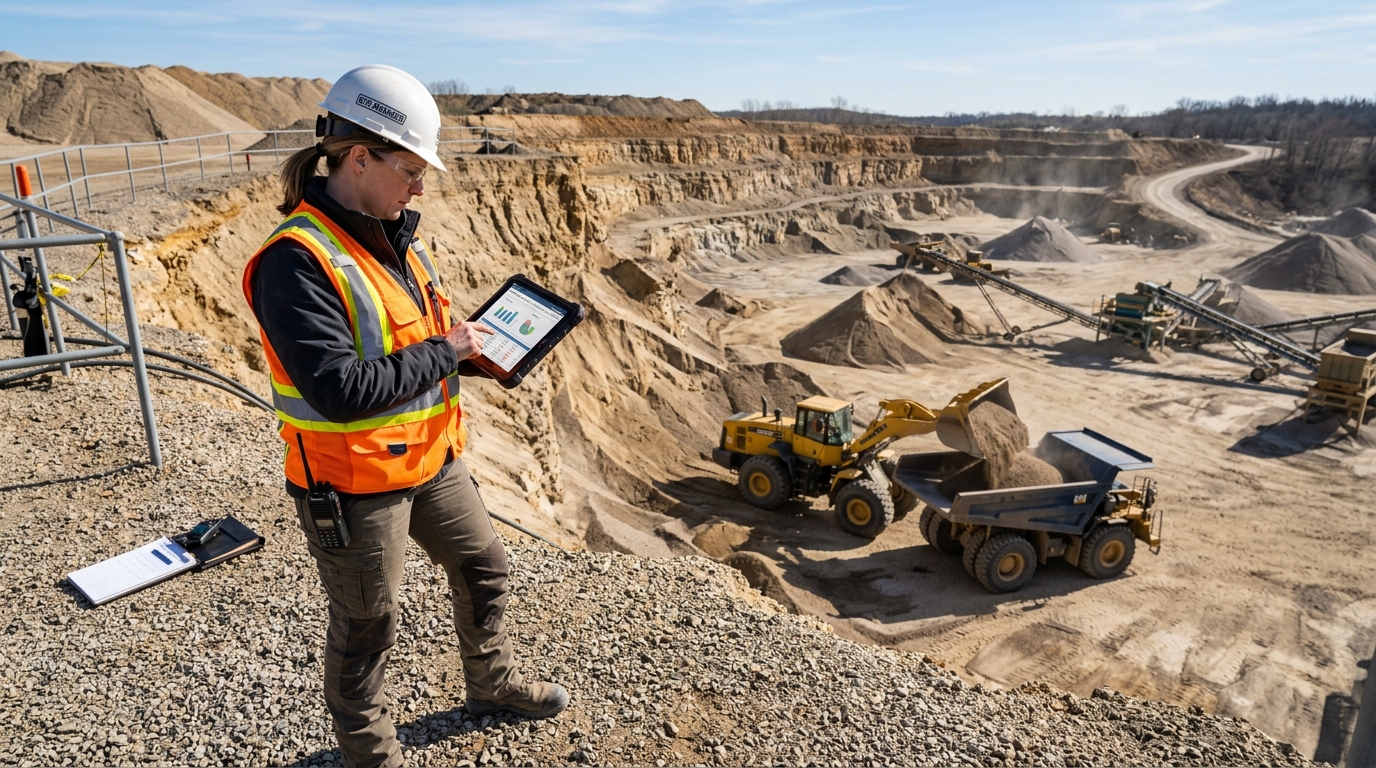
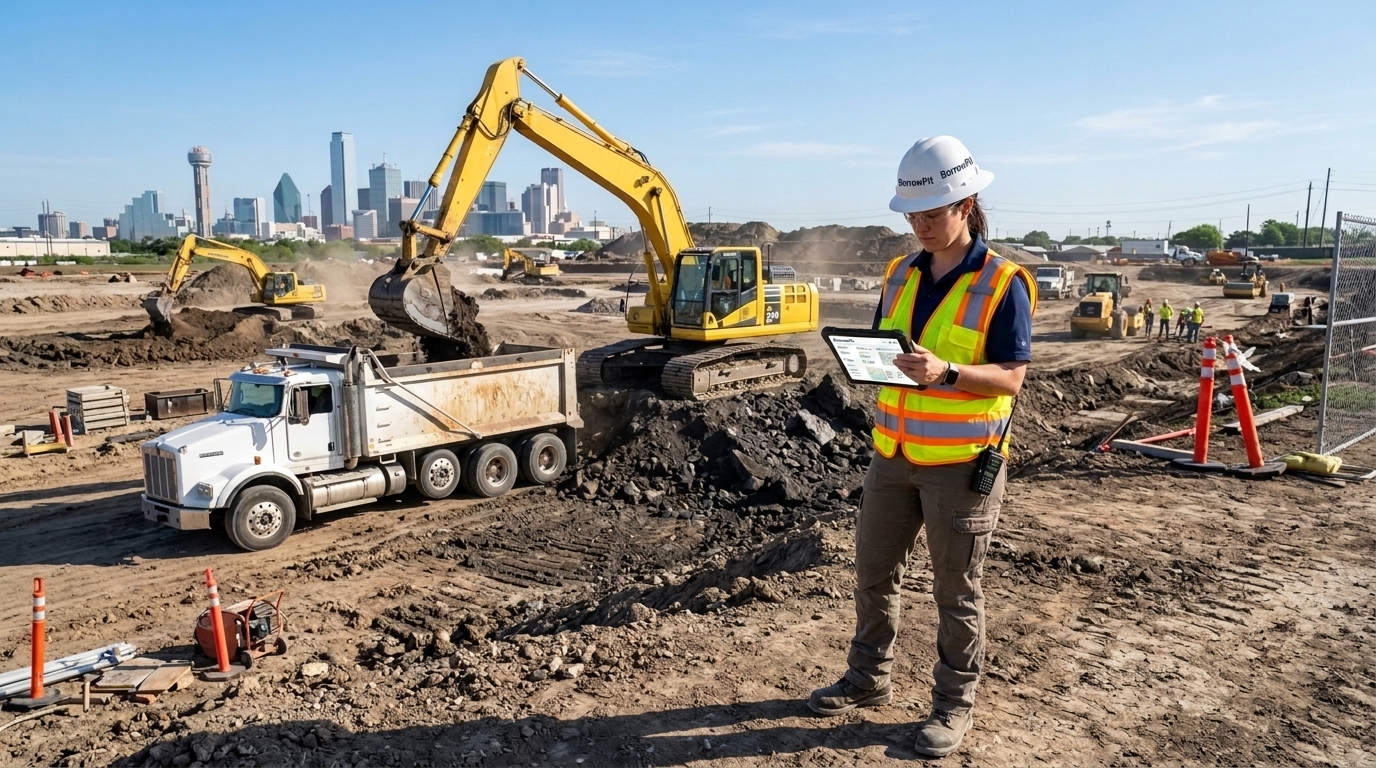
For decades, civil earthwork contractors relied on personal relationships, localized phone calls, and static vendor lists to source bulk dirt, select fill, and crushed aggregate. When a project manager needed ten thousand cubic yards of engineering-approved fill dirt for a commercial warehouse pad, the procurement process involved hours of phone tag with local quarries, manual price comparisons, and uncertain delivery schedules. Today, construction material marketplaces are transforming how general contractors, site developers, and pit operators buy and sell heavy bulk materials across regional markets.
Adopting digital material platforms replaces slow, fragmented supply chains with transparent, real-time procurement networks. Understanding how construction material marketplaces operate enables estimators, project superintendents, and quarry owners to streamline pre-bid sourcing, verify geotechnical soil credentials online, and optimize truck hauling logistics across commercial and municipal builds.
The Evolution of Heavy Material Procurement in Civil Construction
Heavy civil construction has historically lagged behind other industries in digital technology adoption. Economic analyses published by the Associated General Contractors of America highlight that supply chain inefficiencies and volatile freight expenses represent major operational hurdles for regional contracting firms.
Limitations of Legacy Phone-Based Sourcing Methods
Calling three familiar local quarries during bid preparation often leaves contractors unaware of closer borrow pits or cheaper excess cut dirt available on nearby construction sites. Paying high unit prices and long-distance trucking fees erodes profit margins on competitive bids.
The Transition to Digital On-Demand Material Networks
Digital marketplaces aggregate material inventory into a single interactive platform. Estimators search available supplies by location, review certified soil specs, and calculate exact hauling distances before submitting project bids.
Overcoming Information Asymmetry in Bulk Bidding
In traditional markets, sellers hold information advantage regarding local material availability. Digital platforms democratize access to soil data, ensuring small excavating subcontractors and large general contractors evaluate identical live market data, leveling the playing field for regional project bidding.
What Contractors Demand from a Modern Material Marketplace
Civil estimators and site superintendents require specific functionality when selecting digital material platforms:
Transparent Regional Pricing and Distance Calculations
Haul distance dictates total delivered material cost. Contractors need platforms that calculate exact mileage from candidate borrow pits to their job site gate, allowing teams to evaluate combined material and freight pricing accurately.
Comprehensive Inventory Visibility Across Soil and Aggregate Categories
Project teams need access to diverse material classifications, including clean common fill, select clay (controlled PI), A-3 silica sand, topsoil, crushed concrete base, and asphalt millings, within a single digital ecosystem.
Direct Communication Between Buyers and Verified Suppliers
Contractors prefer platforms that facilitate direct communication with pit owners and site developers without middleman markups or opaque broker delays.
Simplifying Trucking Freight and Load-Out Logistics
Coordinating dump truck dispatch is a constant bottleneck on high-volume earthwork jobs. Modern digital platforms allow buyers and suppliers to specify loading responsibilities upfront, confirming whether the seller provides trackhoe loading or the buyer brings self-service loaders.
How Marketplaces Benefit Borrow Pit Operators and Quarries
Digital marketplaces create equal value for material suppliers, quarry owners, and excavating contractors managing site cut balances:
Capturing High-Volume Out-of-Town Bidders
When out-of-state general contractors win regional infrastructure bids, they do not know local quarry owners personally. By publishing digital inventory listings, pit operators attract high-volume purchase orders from out-of-town bidders who search online platforms prior to site mobilization.
Monetizing Excess Cut Dirt from Regional Demolition Sites
Commercial excavations and highway broadenings frequently generate thousands of cubic yards of surplus cut dirt. Marketplaces allow excavating subcontractors to list excess soil online, connecting directly with nearby fill-short projects and eliminating expensive landfill tipping charges.
Leveling Seasonal Demand Swings at the Scale House
Borrow pits experience cyclical sales slumps when local building activity slows down. Online listings connect quarry owners with broader regional projects across neighboring counties, maintaining steady scale house traffic and equipment utilization throughout the year.
Building Buyer Confidence Through Verified Geotechnical Submittals
In spec-driven earthwork, un-tested dirt is a financial liability. Digital platforms build buyer trust by attaching verified geotechnical documentation directly to material listings.
Instant Access to Laboratory Sieve and Atterberg Limits Reports
Listing profiles featuring third-party lab test sheets (Liquid Limit, Plasticity Index, Proctor compaction curves, and sieve gradation curves) allow engineering teams to approve material submittals before dump trucks arrive on site.
Reducing Project Risk for Third-Party Engineering Inspections
Reviewing verified lab reports online ensures imported fill complies with contract specifications, eliminating risks of subgrade pumping, compaction failures, and expensive material removal orders.
Modern Sourcing Outlook for Agile Infrastructure Bidders
Utilizing construction material marketplaces provides civil contractors and pit operators with a strong competitive advantage. Project managers seeking certified fill can use digital tools to search nearby fill materials across regional development zones, evaluating pre-screened borrow pits and verifying lab credentials within minutes. Simultaneously, earthwork crews managing site clearing can add a listing on BorrowPit to monetize excess cut soil, optimizing regional dirt balances. Partnering with BorrowPit ensures project teams eliminate procurement delays, control freight expenses, and keep heavy earthwork moving on schedule.
Frequently Asked Questions
How do construction material marketplaces benefit general contractors?
Marketplaces provide general contractors with transparent regional pricing, broader supplier options, closer material sources, and instant access to certified geotechnical lab submittals.
Can contractors buy excess cut dirt directly from nearby job sites online?
Yes, digital marketplaces connect fill-short construction sites with cut-heavy projects nearby, allowing contractors to purchase clean fill at significantly lower prices while reducing haul distances.
What information is included in an online material listing?
A complete listing includes material classification (fill dirt, select clay, sand, aggregate), available quantity, exact geographic location, truck access rules, and PDF lab test reports.
How do digital marketplaces reduce dump truck freight charges?
Marketplaces allow contractors to search for material sources within tight radius zones (e.g. 5 to 10 miles), drastically reducing haul times and hourly truck demurrage fees.
How do pit operators benefit from listing inventory on a digital marketplace?
Borrow pit operators capture high-volume purchase orders from out-of-town general contractors and regional infrastructure bidders who search digital platforms prior to site mobilization.