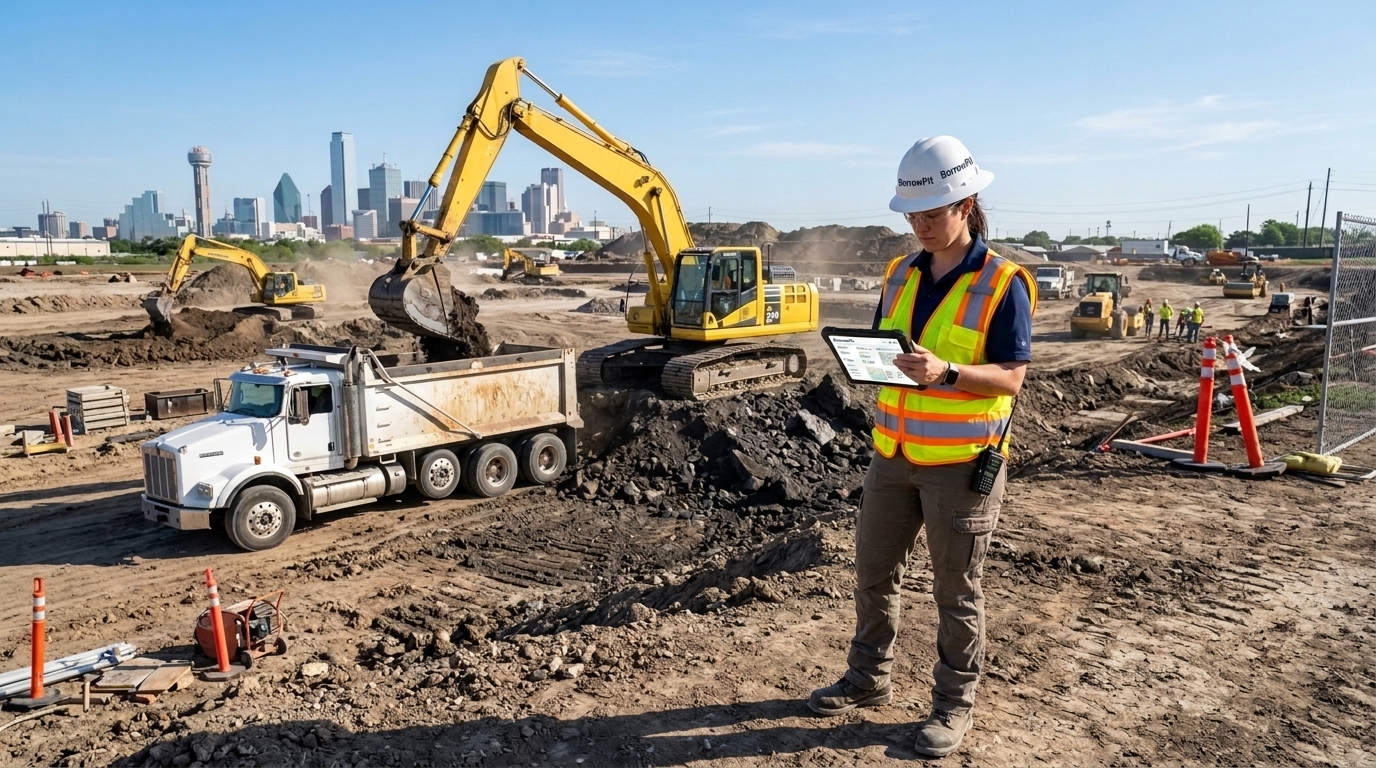
On major civil construction projects, earthwork procurement represents one of the largest line items in the general contractor budget. From select fill dirt and structural clay to crushed stone and topsoil, securing thousands of cubic yards of engineering-approved material can quickly determine whether a project yields healthy profit margins or suffers severe budget overruns. For decades, estimators relied on a limited list of local suppliers, leaving teams vulnerable to high unit prices and expensive trucking freight fees. Today, forward-thinking general contractors reduce material costs using a marketplace, leveraging transparent regional supply networks to secure competitive pricing and pre-tested materials.
Replacing slow, manual phone-based sourcing with digital material platforms allows chief estimators and project managers to streamline bidding, eliminate middleman markups, and discover closer material sources. Learning how to navigate online dirt marketplaces empowers general contractors to maintain tight cost control while accelerating subgrade building pad preparation across commercial, industrial, and infrastructure builds.
The Traditional Material Sourcing Process and Its Cost Inefficiencies
Legacy procurement methods in heavy construction rely heavily on historical relationships and localized supplier lists. Economic data published by the Associated Builders and Contractors underscores that material price volatility and freight fluctuations remain top financial risks for commercial general contractors.
When estimators phone three familiar local quarries for quotes during bid preparation, they often face inflated unit prices. Without transparent regional competition, contractors unknowingly pay premium rates for fill dirt, select clay, or aggregate.
The Impact of Long-Haul Trucking Distances on Overall Unit Costs
Trucking freight represents up to 50 to 60 percent of total delivered material expenses. If general contractor sources fill from a quarry twenty miles away simply because it is on their standard call sheet, they pay thousands in extra dump truck hourly fees compared to using a pre-tested borrow pit located just five miles from the site.
How Digital Marketplaces Unlock Better Supplier Options and Lower Pricing
Digital dirt platforms transform earthwork procurement by introducing transparent marketplace dynamics to bulk material purchasing.
Accessing Regional Borrow Pits Beyond Traditional Call Lists
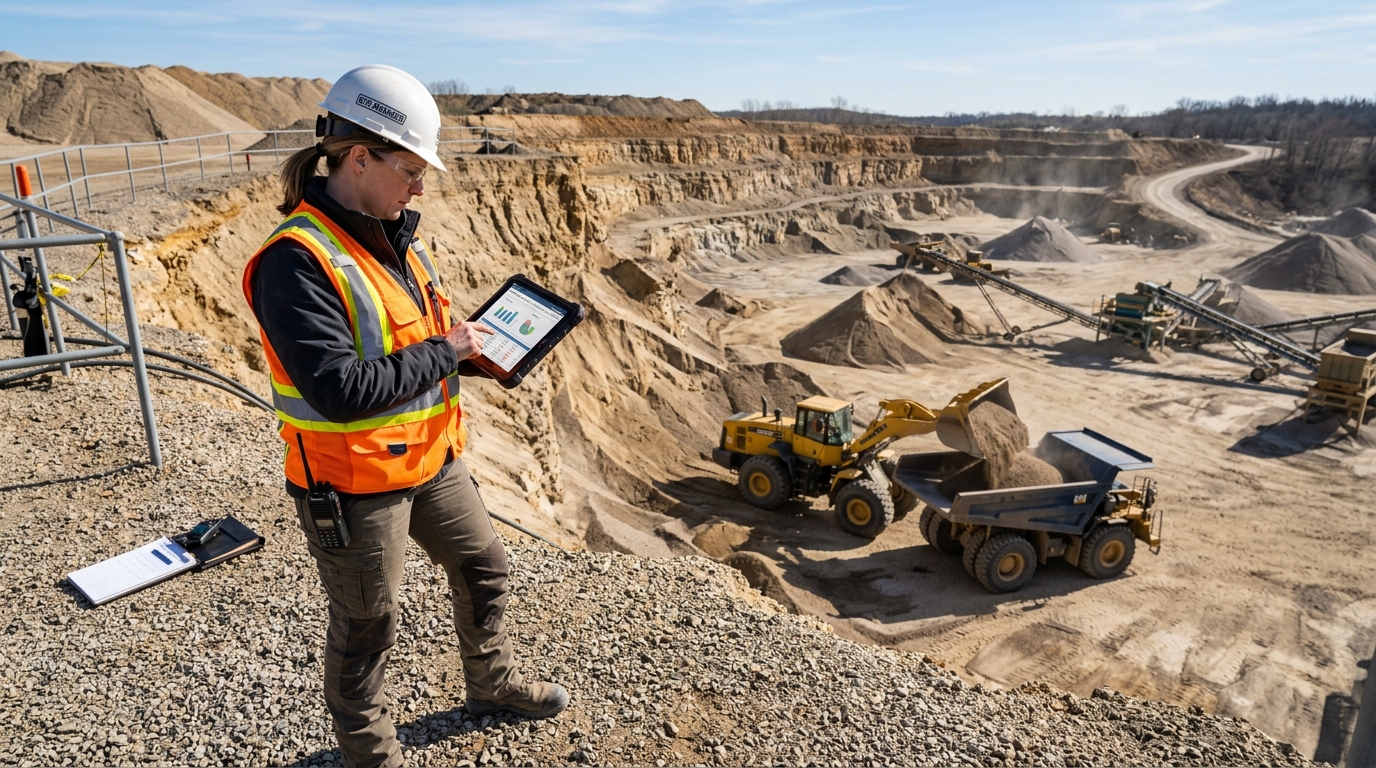
Online platforms aggregate listings from dozens of active borrow pits, sand mines, and aggregate recycling yards across your geographic area. Comparing multiple verified pit locations allows project managers to select suppliers offering the lowest combined material and haulage rates.
Connecting Directly with Nearby Cut-Heavy Construction Sites
One of the most effective ways to lower subgrade expenses is sourcing excess cut dirt directly from nearby commercial excavations. Digital marketplaces connect fill-short building projects with cut-heavy sites, allowing general contractors to secure clean fill or select clay at a fraction of standard quarry prices.
Key Metrics to Evaluate When Sourcing Dirt and Aggregates Online
To ensure imported soil meets engineering specs, superintendents must evaluate technical credentials when reviewing online listings:
1. Geotechnical Laboratory Reports and Submittal Approval
Always review attached third-party lab sheets (Atterberg limits, mechanical sieve curves, Proctor compaction data). Verifying that soil Plasticity Index (PI) and gradation match project contract specifications prevents field rejections by third-party inspectors.
2. Verified Quantities and Bank-Run vs Loose Tonnage
Confirm whether available material volumes are quoted in bank yards, loose yards, or tons. Understanding soil swell factors ensures estimators order exact quantities without over-purchasing.
3. Haul Distance Calculations and Scale House Turn Times
Calculate cycle times from the material source to your job site gate. Choosing pits with automated scales and dedicated wheel loaders minimizes truck queuing fees at the gate.
Accelerating Project Timelines Through Direct Supplier Communication
Beyond direct cost savings, digital material platforms remove administrative bottlenecks that slow down site mobilization.
Eliminating Middleman Delay in Submittal Processing
Direct communication between contractors and pit operators allows project managers to request fresh lab samples, clarify delivery schedules, and secure submittal packages in hours rather than waiting days for traditional broker callbacks.
Securing Backup Material Sources for Peak Earthwork Seasons
Relying on a single dirt supplier exposes your project schedule to weather delays or pit exhaustion. Having two pre-approved online material sources guarantees continuous dirt deliveries during peak compaction phases.
Modern Procurement Workflows for Agile Contracting Teams
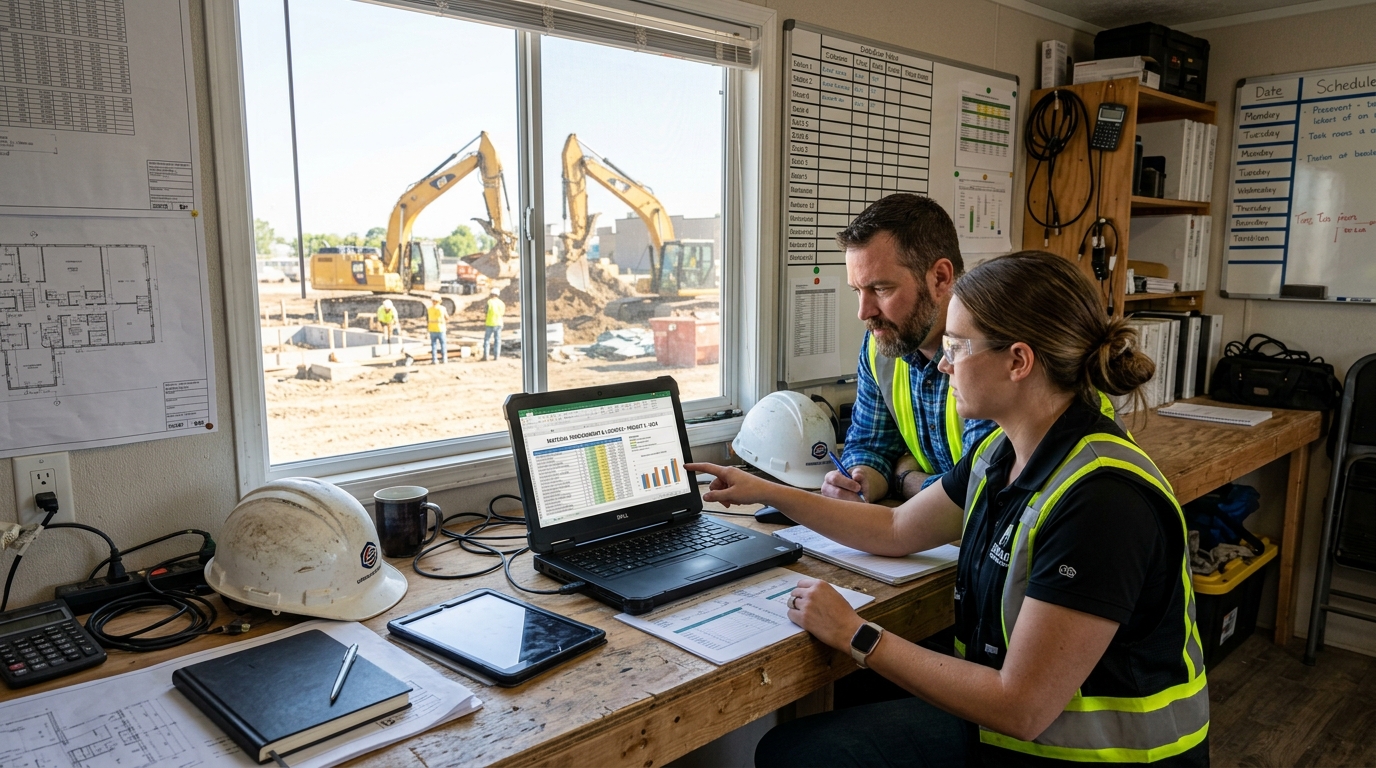
Adopting digital material platforms simplifies bulk earthwork logistics across all phases of land development. Contracting teams searching for tested fill can use digital tools to search nearby fill materials across regional markets, comparing certified pit submittals and delivered freight rates before placing orders. On-demand access also enables contractors with surplus excavation cuts to add a listing on BorrowPit to monetize excess soil, optimizing regional dirt balances.
Strategic Cost Reduction Action Plan for Earthwork Bids
Learning how general contractors reduce material costs using a marketplace provides a strong competitive edge when bidding commercial civil projects. By comparing pre-vetted borrow pits, sourcing excess cut dirt from nearby job sites, and verifying geotechnical test data early, project teams protect profit margins. Partnering with BorrowPit ensures general contractors streamline earthwork procurement, eliminate unnecessary haul fees, and keep building pad preparation moving on schedule.
Frequently Asked Questions
How much can general contractors save by sourcing fill dirt on a digital marketplace?
General contractors typically save 15 to 35 percent on total delivered earthwork costs by discovering closer borrow pits and connecting directly with nearby cut-heavy job sites.
What is the biggest hidden cost in bulk earthwork procurement?
Dump truck hauling freight is the single largest hidden cost, often accounting for 50 to 60 percent of total delivered material expenses if the haul distance exceeds 10 to 15 miles.
Can contractors find engineering-approved structural fill online?
Yes, digital listings feature pre-tested select fill, clean clay, and aggregates accompanied by certified third-party geotechnical lab reports for submittal approval.
How does sourcing dirt from nearby cut sites help lower project budgets?
Nearby cut sites often need to clear excess soil quickly, offering clean fill dirt at significantly lower unit prices than commercial quarries while drastically reducing haul distances.
How quickly can a general contractor locate and order fill dirt on a marketplace?
Contractors can compare certified regional listings, review geotechnical lab sheets, and connect directly with material suppliers within minutes online.