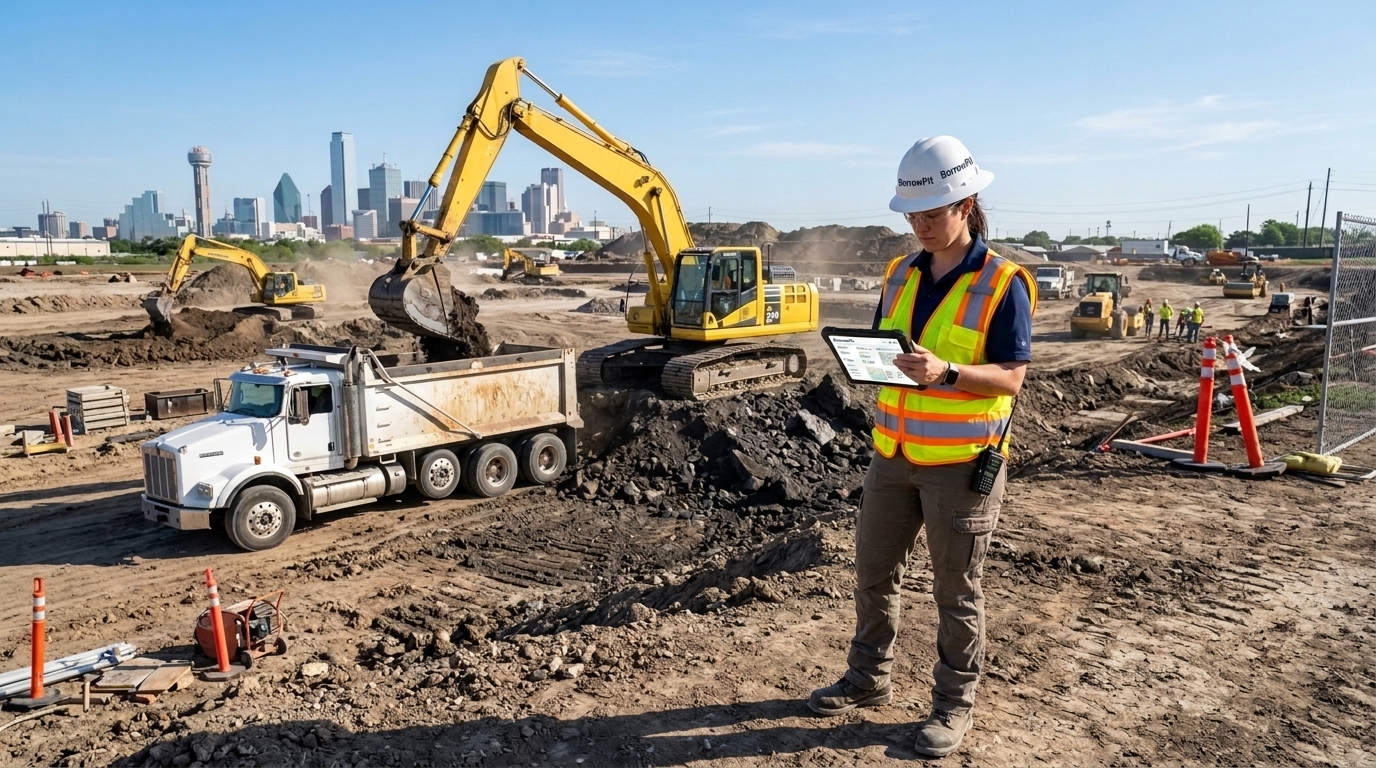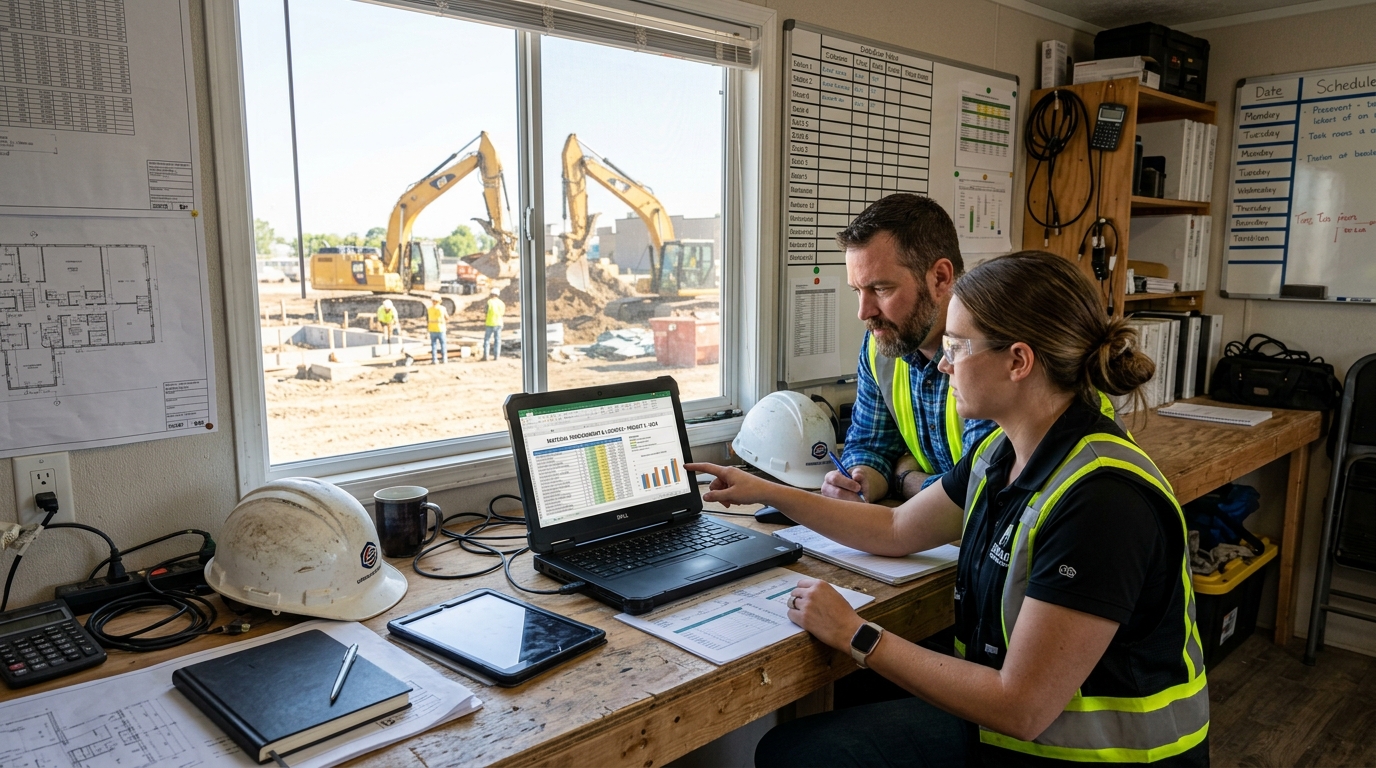
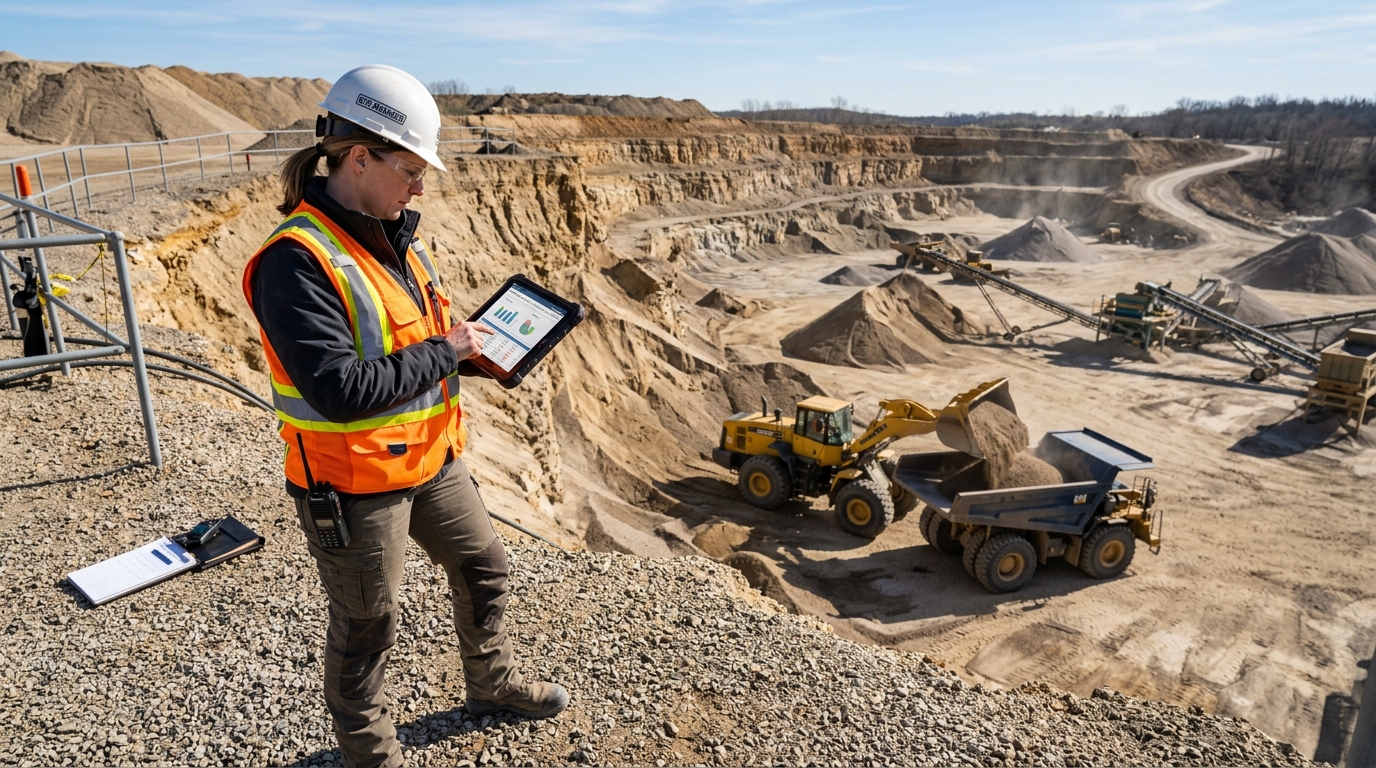
For decades, borrow pit operators and quarry managers relied almost exclusively on phone calls, local word-of-mouth networks, and repeat sales to nearby contractors to move bulk dirt and aggregate inventory. However, as large civil engineering firms and out-of-state land developers bid on major regional highway corridors, commercial warehouses, and residential subdivisions, traditional sales channels leave substantial volume un-sold on the quarry floor. Adopting modern digital tools allows commercial quarry owners to sell more material by listing online, capturing high-volume purchase orders from regional contractors looking for pre-tested soil and stone.
Expanding your market reach beyond local phone inquiries is essential for maximizing pit profitability. Establishing an online marketplace presence connects pit operators with out-of-town general contractors, utility crews, and earthwork superintendents who need reliable material sources before their dump trucks arrive in your region.
The Industry Shift from Phone-Based Orders to Digital Procurement
The construction supply sector is undergoing a rapid transition. Industry data from the National Stone, Sand & Gravel Association indicates that digital material sourcing has become the preferred method for tier-one civil contractors looking for aggregate and bulk dirt sources.
Limitations of Local Word-of-Mouth Sales Networks
Relying strictly on local phone calls means your pit sales fluctuate based on immediate nearby job sites. When local building slows down, inventory piles up. Operators who fail to list online miss out on major regional projects occurring just fifteen miles outside their traditional call zone.
How Modern Project Managers Source Construction Materials
Today’s civil project managers and estimators search digital marketplaces on their phones or tablets weeks before site mobilization. They compare certified lab reports, check pit locations against job-site haul routes, and negotiate volume pricing online before issuing purchase orders.
Unlocking National and Regional Leads Beyond Your Local Area
Listing your pit inventory online creates a digital storefront accessible to regional and national construction firms.
Capturing Out-of-State General Contractor Purchase Orders
When national industrial developers win bids to build distribution centers in your region, their procurement managers do not know local quarry owners personally. They use online dirt marketplaces to find verified suppliers. Pit owners who list online capture these lucrative contracts first.
Connecting with Regional Infrastructure Bidders
State highway expansions and utility projects bring prime contractors into new territories. Having an active online listing ensures your pit is included in pre-bid material submittals for regional infrastructure contracts.
Anatomy of a High-Converting Pit Listing
To convert online buyers into repeat truckload customers, pit listings must provide complete engineering and operational data:
1. Geotechnical Test Data and Submittal Sheets
Attach recent third-party laboratory reports, including Atterberg limits (Liquid Limit, Plasticity Index), mechanical sieve gradation curves, and Proctor moisture-density relationships. Providing engineering data upfront accelerates submittal approvals.
2. Verified Quantities and Bank Strata Depth Maps
State available bank cubic yards or loose tonnage clearly. Highlighting available quantities for select clay, A-3 sand, topsoil, or crushed stone helps buyers verify that your pit can satisfy high-volume site orders.
3. High-Resolution Pit Photos and Scale Load-Out Capabilities
Show clear photos of your active excavation face, stockpiles, and scale house loading operations. Note loader bucket sizes and confirm whether certified automated scales are available for rapid truck turn-around.
4. Exact Coordinates and Haul Truck Accessibility
List your physical pit entrance location and note truck route compatibility (e.g. tri-axle dump trucks, end-dumps, belly dumps). Providing clear access data helps buyers calculate exact turn times.
Operational Benefits for Pit Dispatch and Scale House Managers
Transitioning to online listings streamlines daily quarry operations beyond generating new sales leads:
Reducing Phone Traffic at the Scale House
Scale house clerks spend hours answering repetitive questions about dirt specs, operating hours, and pit locations. Digital listings answer these questions automatically, freeing staff to focus on weighing trucks and dispatching loads.
Smoothing Daily Dump Truck Dispatch Schedules
Online booking allows pit managers to schedule truck load-outs across peak and off-peak hours, avoiding morning gate bottlenecks and maintaining steady wheel loader production.
Transparent Pricing and Marketplace Listing Models
Modern material platforms eliminate traditional brokerage markups by offering straightforward listing models. Pit operators can list available soil strata, aggregate stockpiles, or overburden material directly, maintaining 100 percent control over material pricing and customer relationships.
When pit owners decide to create a pit listing on BorrowPit, their inventory is exposed to active civil buyers across regional highway and commercial development markets.
Practical Growth Strategy for Commercial Pit Owners
Embracing digital sales channels allows quarry managers to sell more material by listing online while protecting profit margins against localized downturns. By providing certified lab test submittals, verifying available bank quantities, and publishing clear truck access data, pit owners attract high-volume regional buyers. Utilizing digital platforms to sell surplus dirt or search nearby aggregate suppliers connects quarry operators directly with active project teams. Partnering with BorrowPit guarantees that commercial pit operators build long-term sales channels across regional construction markets.
Frequently Asked Questions
Why should pit operators list material online instead of relying on phone sales?
Listing online exposes your pit inventory to out-of-town general contractors and large regional bidders who search digital platforms before sending trucks to new construction zones.
What lab test reports should pit operators attach to online listings?
Operators should attach third-party Atterberg limits reports (PI), sieve gradation curves, and Modified Proctor compaction sheets to allow engineering teams to approve material quickly.
Can pit operators control their own prices on digital material platforms?
Yes, operators retain 100 percent control over their unit prices (per yard or per ton), pickup schedules, and delivery terms when listing on digital platforms.
How do online listings help scale house staff during peak construction season?
Online listings provide buyers with pit specs, locations, and load-out rules automatically, significantly reducing incoming phone calls at the scale house desk.
How quickly can a pit operator start receiving buyer inquiries online?
Active listings with complete lab submittals and competitive volume pricing often start receiving inquiries from regional estimators within 24 to 48 hours.