The Dallas–Fort Worth metroplex continues to rank among the fastest-growing construction markets in the United States. From new residential communities in Frisco to industrial expansion near AllianceTexas and highway projects along I-35W, development across North Texas is generating enormous demand for construction materials. As projects scale up, the role of dirt brokers in Dallas–Fort Worth has become increasingly important.
Managing dirt and excavation materials is no longer just a side task on construction projects. Contractors now face tighter schedules, rising hauling costs, and growing pressure to improve efficiency. Dirt brokers help solve these problems by connecting projects with excess material to projects that need fill dirt or disposal solutions.
As a result, Dallas–Fort Worth dirt brokers are becoming a key part of modern construction logistics across the DFW region.
How Dirt Brokers Support Large Construction Projects
Large-scale development projects generate significant amounts of excess soil, while nearby projects often require imported fill material. Dirt brokers step in to coordinate this movement efficiently.
Without brokering, contractors may spend unnecessary time searching for buyers, locating suppliers, or hauling dirt long distances. In a market as active as DFW, those inefficiencies quickly increase project costs.
Connecting Supply and Demand Across DFW
One of the biggest advantages of working with dirt brokers in Dallas–Fort Worth development is the ability to connect supply and demand in real time.
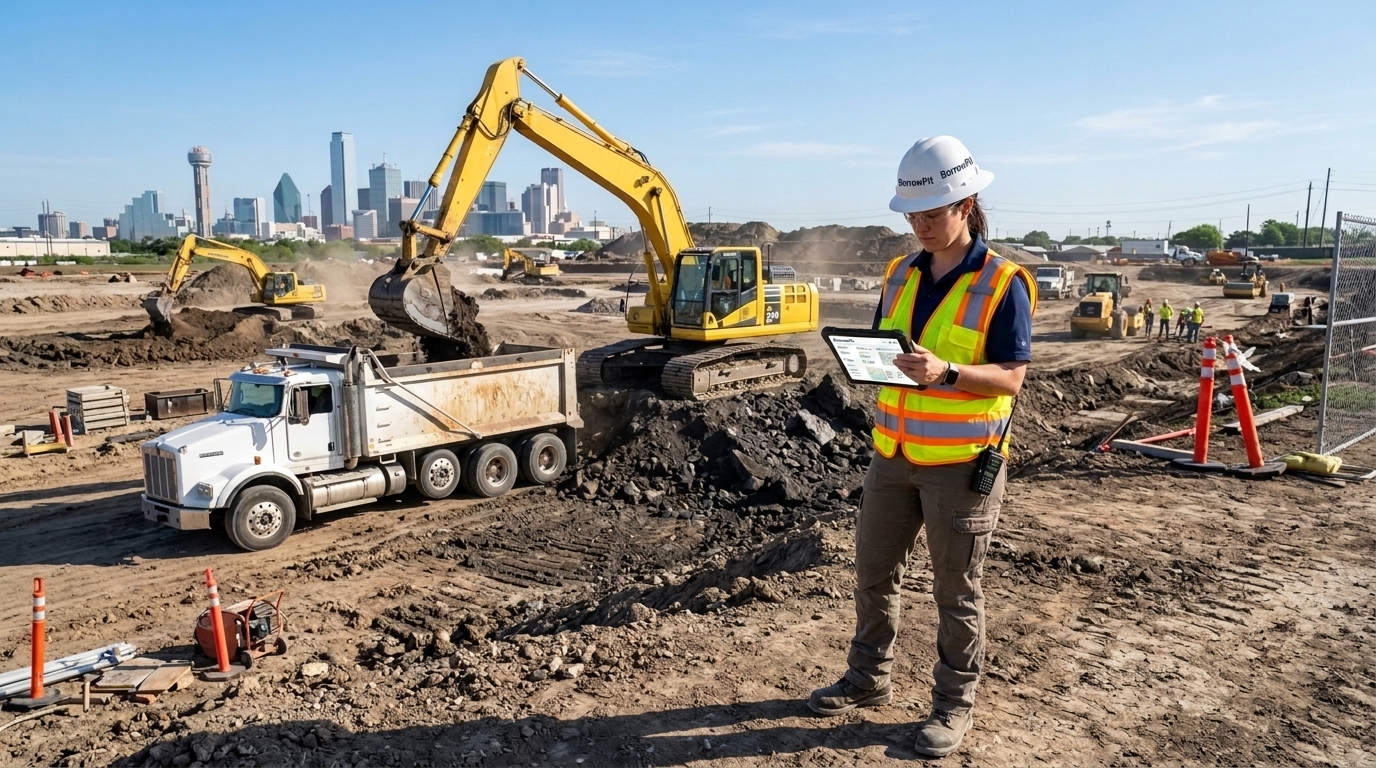
For example, a commercial excavation project in Irving may generate thousands of cubic yards of excess dirt while a residential subdivision in McKinney simultaneously needs fill material for grading. Dirt brokers help match these opportunities quickly, reducing waste and transportation costs.
This kind of supply and demand matching is becoming more valuable as development expands across North Texas.
According to the North Central Texas Council of Governments, ongoing population growth and infrastructure investment continue driving construction activity across the region. That growth increases demand for smarter material coordination strategies.
Reducing Transportation and Disposal Costs
Transportation is one of the largest expenses in moving excavation materials. Long hauls across congested highways like I-635 or Loop 820 can significantly increase fuel and labor costs.
By working with fill dirt brokers in Dallas TX, contractors can often source or offload material much closer to their project sites. This improves hauling efficiency while reducing disposal expenses.
For contractors managing multiple crews and timelines, these savings can make a measurable difference.
Why Dirt Brokering Is Becoming More Important in DFW
The scale of development across Dallas–Fort Worth has changed how contractors approach material sourcing. Traditional methods like phone calls and limited supplier networks are often too slow for today’s project demands.
Managing Rapid Construction Growth
DFW continues expanding in nearly every direction. Residential growth in Prosper, infrastructure improvements along SH 121, and industrial development near Fort Worth all require large amounts of fill dirt and aggregate material.
This level of activity increases the importance of efficient bulk dirt sourcing in Dallas–Fort Worth. Dirt brokers help contractors respond faster to changing project needs by identifying available materials nearby.
Improving Site Development Logistics
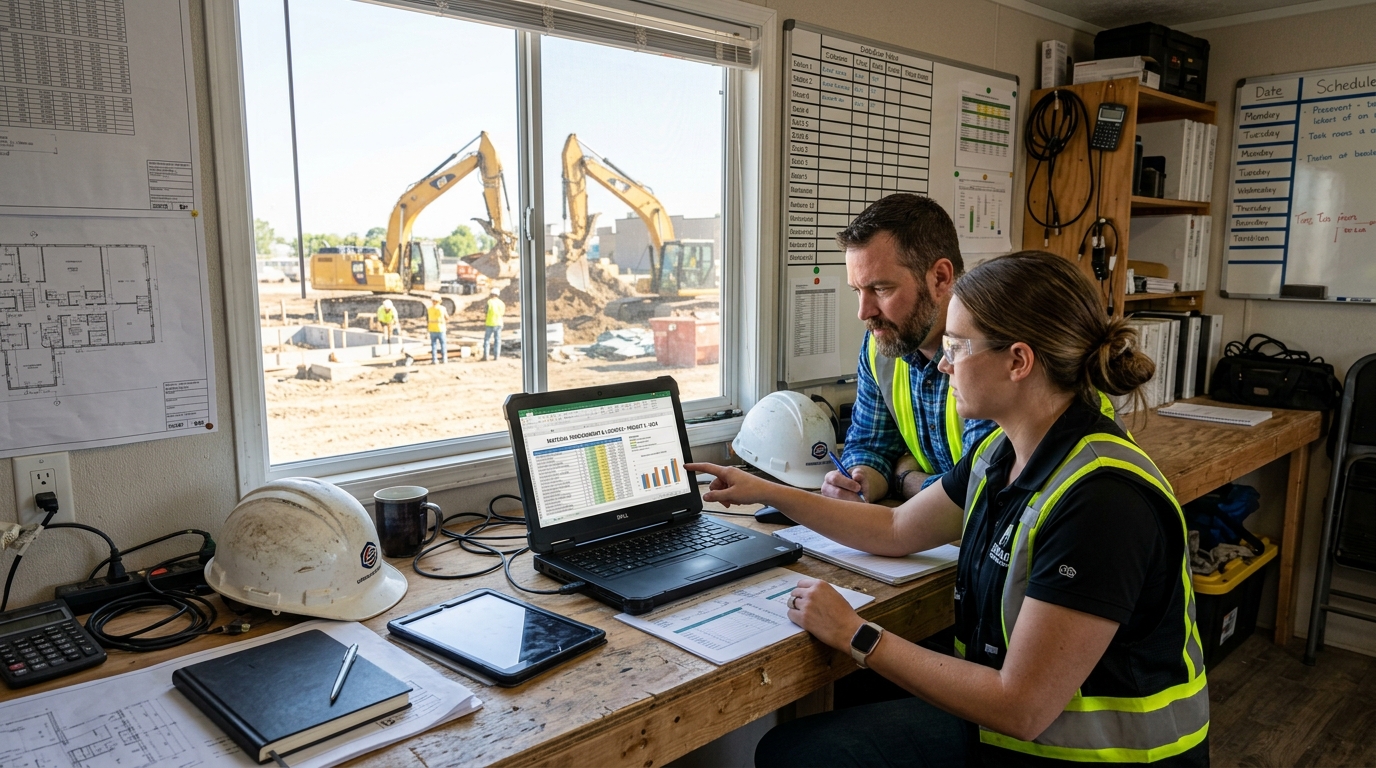
Material coordination has become a major part of site development logistics. Contractors need reliable ways to manage both incoming and outgoing material while keeping projects on schedule.
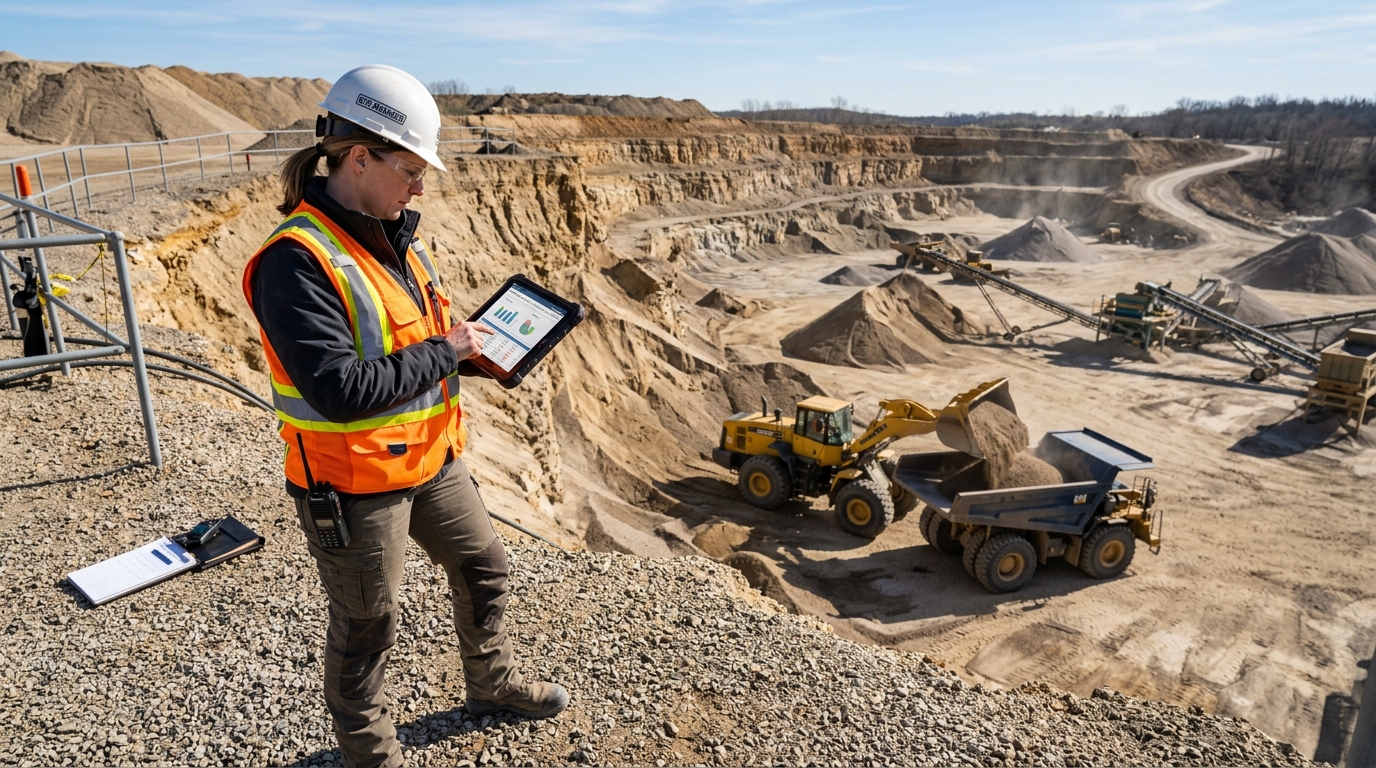
This is where dirt brokering creates value. Instead of treating excess dirt as waste, brokers help reposition it as a usable resource for nearby developments.
The U.S. Environmental Protection Agency also encourages material reuse as part of sustainable construction practices.
The Shift Toward Digital Dirt Brokering Platforms
The construction industry is increasingly adopting digital solutions for sourcing and logistics management. Dirt brokering is evolving in the same direction.
Combining Direct Brokering and Marketplace Advertising
Modern platforms now support multiple ways for contractors to connect.
BorrowPit, for example, offers both direct brokering services and a marketplace advertising model. Contractors who need help sourcing or moving material can contact the platform directly through calls or email to receive quotes and coordination assistance.
At the same time, contractors and suppliers also have the option to advertise available materials or disposal areas through monthly listings. This allows buyers and sellers to connect directly without requiring active brokerage support.
BorrowPit explains its approach further on its About page, where the focus is on simplifying material sourcing and improving visibility across the construction supply chain.
Creating Better Visibility Across DFW Projects
One reason construction dirt marketplace DFW platforms are growing is because they make local material availability easier to identify.
Instead of relying only on existing contacts, contractors can explore opportunities across multiple cities like Arlington, Plano, Denton, and Fort Worth. This improves sourcing flexibility and helps reduce unnecessary hauling distances.
As construction activity increases across the metroplex, visibility becomes a competitive advantage.
How Dirt Brokers Improve Efficiency for Contractors
Dirt brokering isn’t just about finding material, it’s about improving overall project efficiency.
Keeping Projects on Schedule
Construction delays often happen when materials are unavailable or transportation takes longer than expected. Dirt brokers help reduce these risks by improving coordination between suppliers, buyers, and hauling teams.
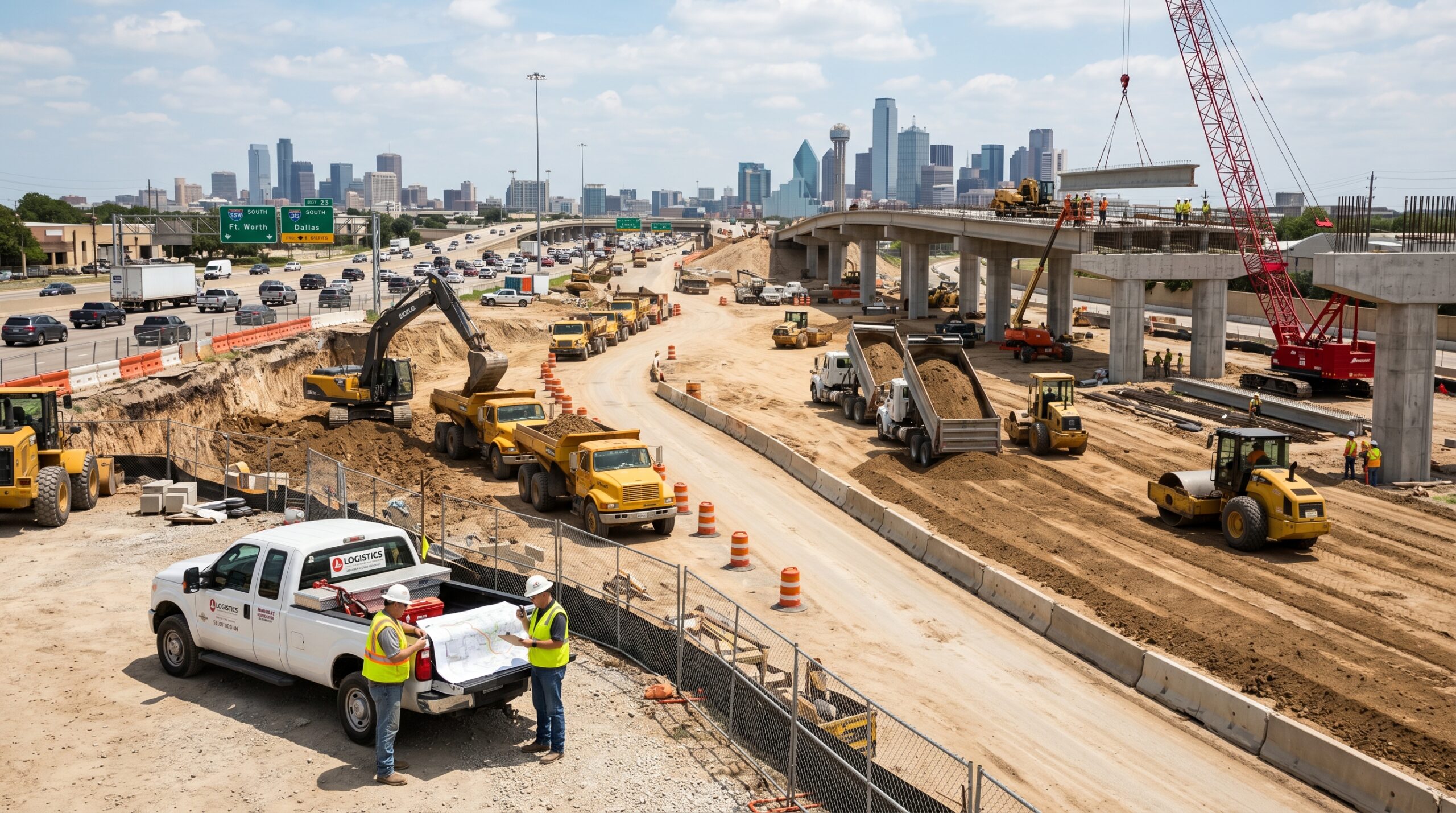
For example, a highway expansion near I-30 may require phased fill deliveries over several weeks. Dirt brokers help ensure materials are sourced and delivered according to project timelines.
This level of hauling coordination is especially valuable on large infrastructure projects.
Supporting Cost Control Strategies
Contractors constantly look for ways to reduce project expenses without sacrificing efficiency. Dirt brokers help support these efforts by minimizing disposal fees, lowering transportation costs, and improving sourcing speed.
Instead of hauling excess dirt to distant disposal sites, contractors can often connect with nearby buyers who need material immediately.
This approach creates a more efficient and cost-effective construction ecosystem throughout Dallas–Fort Worth.
For communication and sourcing coordination, BorrowPit’s contact page provides contractors with a direct way to discuss material needs or brokering opportunities.
Final Thoughts
The role of dirt brokers in Dallas–Fort Worth continues expanding as construction projects become larger, faster, and more logistics-driven. Contractors need efficient ways to manage excavation materials, reduce hauling costs, and connect supply with demand in real time.
By improving coordination between buyers and sellers, dirt brokers help projects move more efficiently while supporting better cost control and material reuse strategies.
For contractors looking to streamline sourcing, opportunities are available to search listings near you for available dirt or list your material to connect with active buyers and suppliers across the Dallas–Fort Worth area.
FAQs
What do dirt brokers in Dallas–Fort Worth do?
They connect projects with excess dirt to projects needing fill material or disposal solutions.
How do dirt brokers help contractors save money?
They reduce hauling distances, disposal costs, and sourcing delays.
Why is dirt brokering growing in DFW construction?
Rapid development and increasing material demand make efficient sourcing more important.
Can contractors advertise materials without using brokering services?
Yes, some platforms allow contractors to create listings so buyers and sellers can connect directly.
What types of projects use dirt brokers?
Residential developments, highway projects, commercial construction, and industrial sites commonly use dirt brokering services.