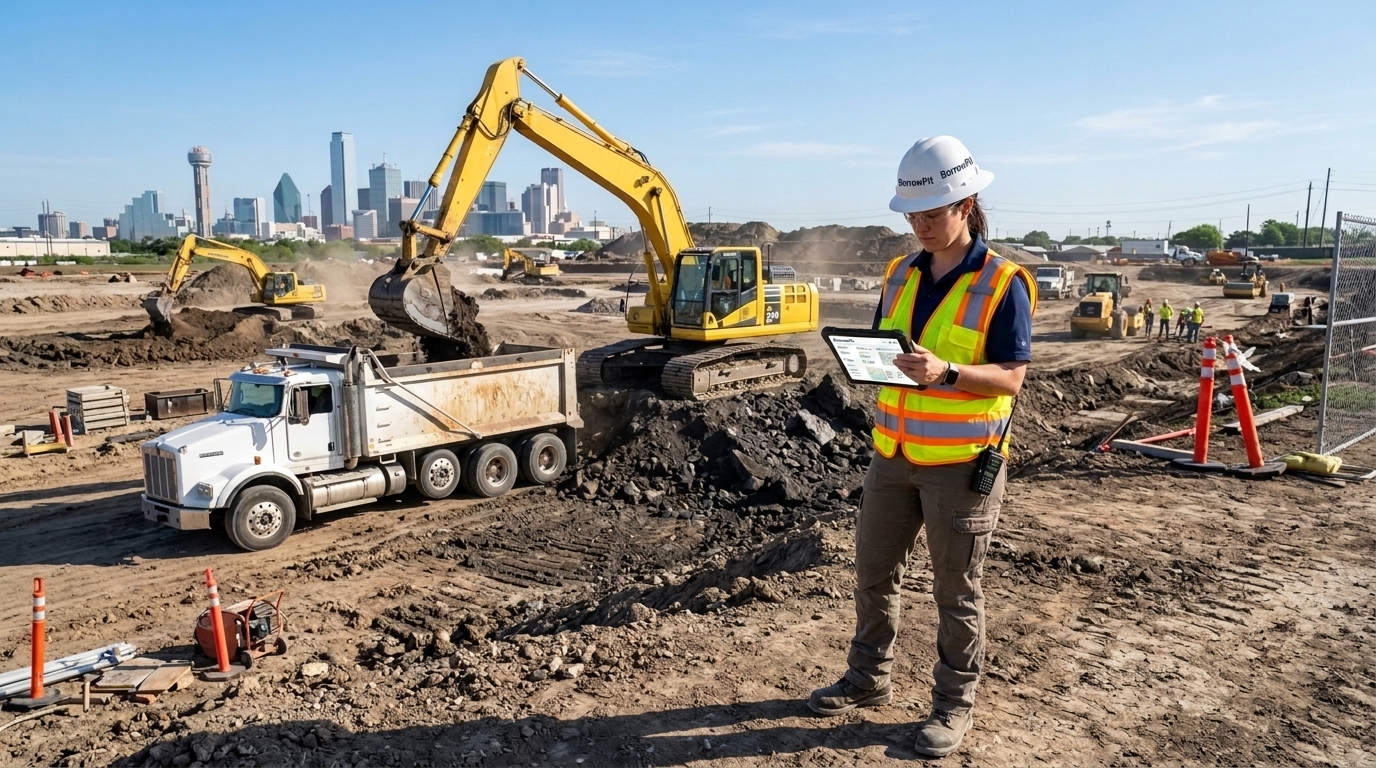
Houston’s construction industry is expanding at a relentless pace. From large-scale infrastructure improvements along I-10 to residential growth in Katy and commercial development near The Woodlands, contractors are moving massive amounts of material every day. In the middle of all this activity, one trend is becoming increasingly important: dirt brokering is growing in Houston construction projects.
For years, contractors relied heavily on personal networks or local contacts to find fill dirt or dispose of excess excavation material. That process was often slow, inconsistent, and expensive. Today, dirt brokering is changing how contractors manage material flow by creating faster and more organized connections between supply and demand.
As projects become larger and timelines tighter, the role of Houston dirt brokers is becoming a critical part of modern construction logistics.
How Dirt Brokering Solves Material Sourcing Challenges
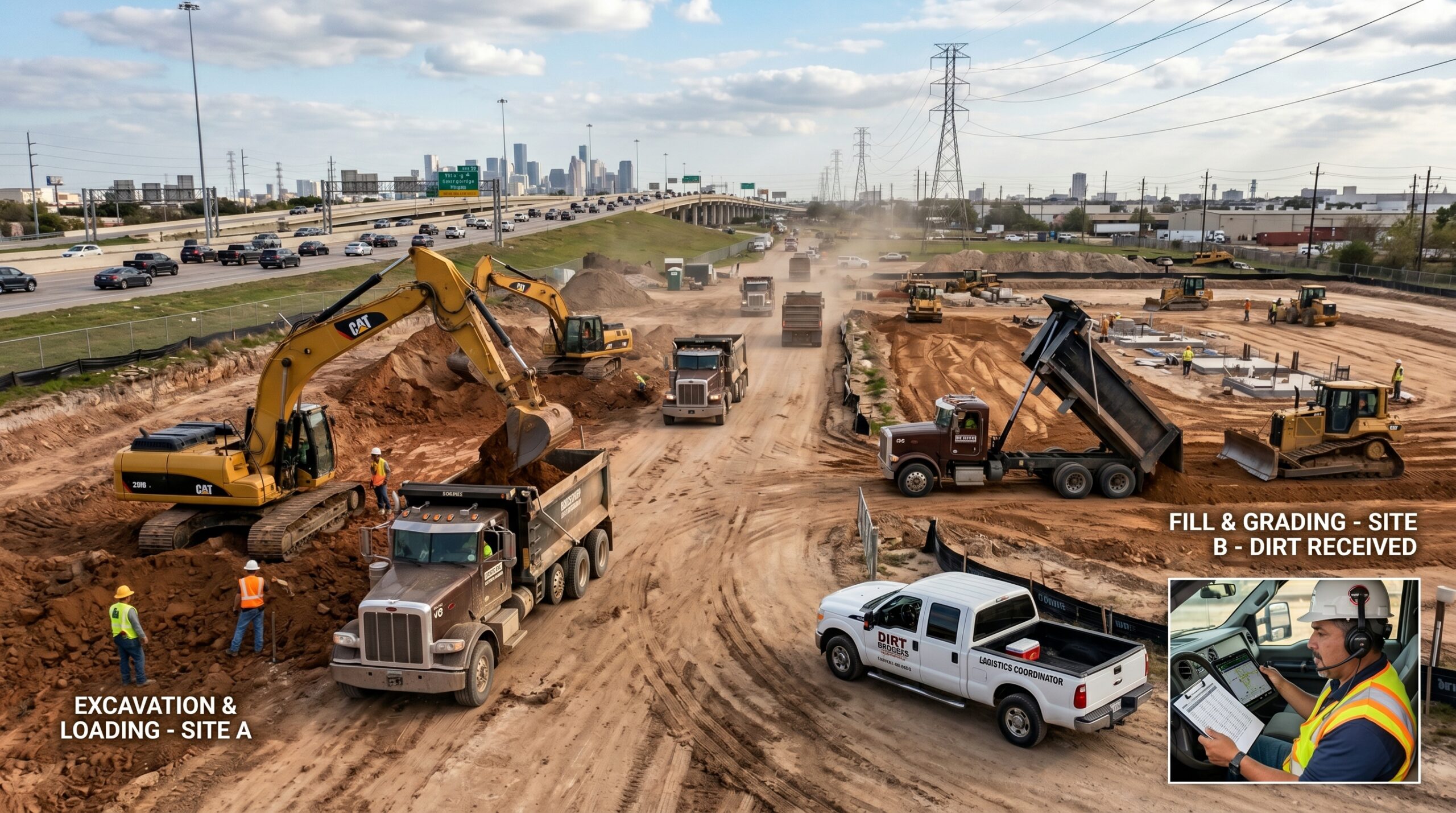
Construction projects rarely have balanced material needs. One site may have thousands of cubic yards of excess dirt, while another nearby project urgently needs fill material. Without coordination, contractors often spend unnecessary money hauling dirt long distances or paying disposal fees.
Dirt brokering helps close this gap by matching projects that have surplus material with projects that need it.
Connecting Buyers and Sellers More Efficiently
One of the main reasons dirt brokering in Houston construction projects is growing is because it simplifies communication between contractors, suppliers, and developers.
For example, an excavation project near Beltway 8 may generate excess fill dirt while a nearby subdivision in Cypress requires material for grading. Instead of dumping the dirt or sourcing new material from far away, a broker connects both sides directly.
This creates a more efficient process that reduces:
- Transportation costs
- Material waste
- Scheduling delays
- Disposal expenses
According to the Nature, reducing hauling distances can significantly improve project efficiency while lowering environmental impact.
Improving Supply and Demand Matching
Houston’s construction market moves quickly, and material availability changes constantly. Dirt brokers help contractors respond faster by identifying opportunities in real time.
This approach improves supply and demand matching across projects and keeps materials circulating locally instead of being wasted. As demand for bulk dirt sourcing in Houston continues to increase, this level of coordination becomes even more valuable.
Why Contractors Are Turning to Dirt Brokers
Contractors are under constant pressure to reduce costs and keep projects moving. Dirt brokering provides a practical solution by simplifying sourcing and disposal logistics.
Reducing Hauling and Disposal Costs
Transportation is one of the biggest expenses in construction material management. Hauling excess dirt across Houston traffic corridors like I-45 or US-59 can quickly become expensive.
By working with Houston dirt brokers, contractors can often source or offload materials much closer to their job sites. This reduces fuel costs, trucking time, and labor expenses.
For example, a commercial development in Sugar Land needing fill dirt may be able to source material directly from a nearby excavation site instead of hauling it from outside the metro area.
Helping Contractors Save Time
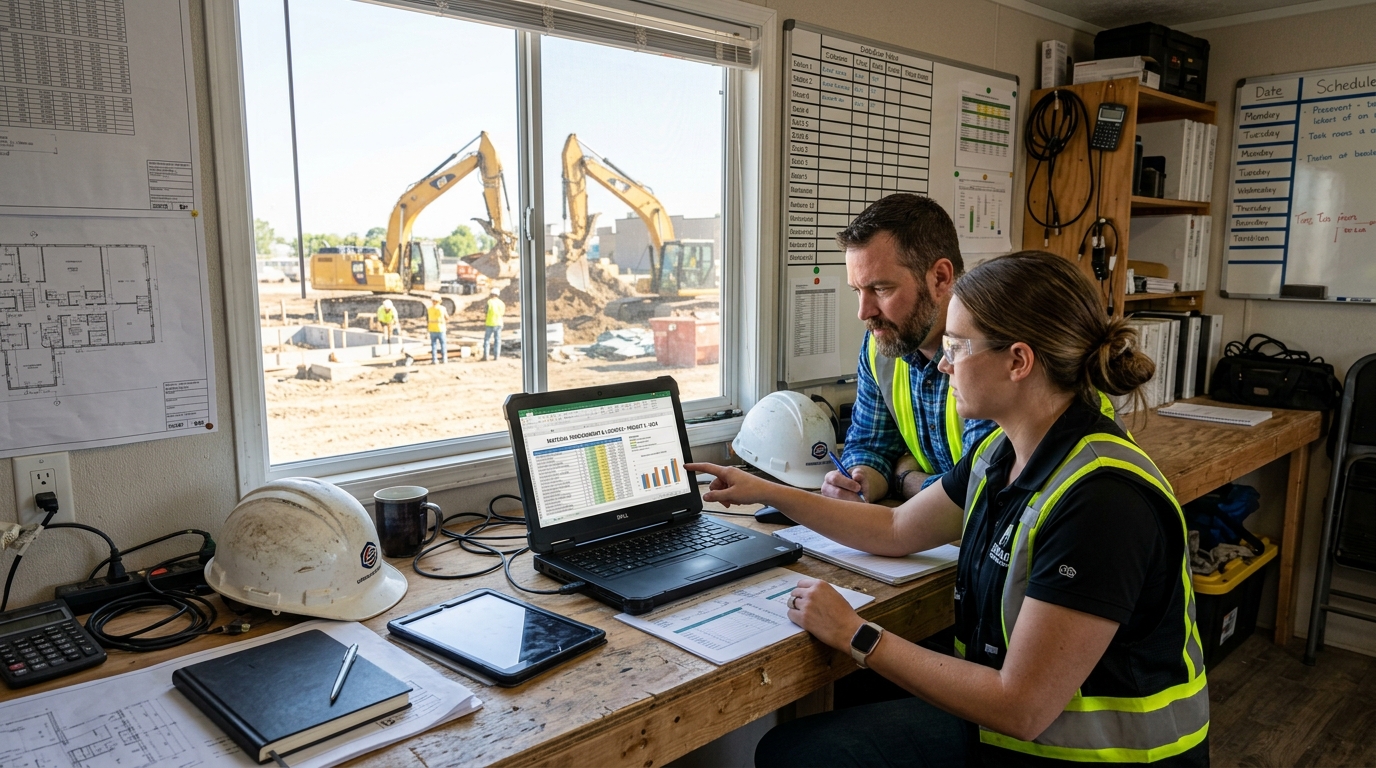
Material sourcing takes time, especially when contractors rely on outdated methods like phone calls or word-of-mouth referrals. Dirt brokers streamline this process by already having active connections with buyers and sellers.
This is one of the key reasons why dirt brokering is growing in Houston construction projects. Contractors can focus more on execution while brokers help coordinate material availability and logistics behind the scenes.
The Shift Toward Digital Dirt Brokering Platforms
The construction industry is gradually moving away from fragmented sourcing methods and toward centralized digital platforms. This shift is transforming how contractors handle construction supply chain management in Houston.
Combining Brokering and Advertising Models
Modern platforms are evolving beyond simple classified listings. BorrowPit, for example, now supports two approaches for contractors and suppliers.
The first is direct dirt brokering, where contractors can contact the platform through calls or email to request help sourcing or moving material. This model is especially useful for projects that need quick coordination or large-volume matching.
The second option is a self-service advertising model. Suppliers or contractors can create listings for available materials or disposal areas through a monthly advertising plan. This allows buyers and sellers to connect directly without intermediaries.
BorrowPit explains its marketplace approach further on its About page, where the focus is on improving transparency and efficiency in the material sourcing process.
Improving Visibility Across Houston Projects
One reason construction dirt marketplace Houston platforms are growing is because they provide better visibility into local supply.
Instead of relying only on existing contacts, contractors can identify nearby opportunities more quickly. This becomes especially valuable in high-growth areas like Pearland, Katy, and North Houston where demand for fill dirt changes rapidly.
How Dirt Brokering Supports Sustainable Construction
Sustainability is becoming a larger priority across the construction industry, and dirt brokering plays an important role in reducing unnecessary waste.
Reducing Excess Material Disposal
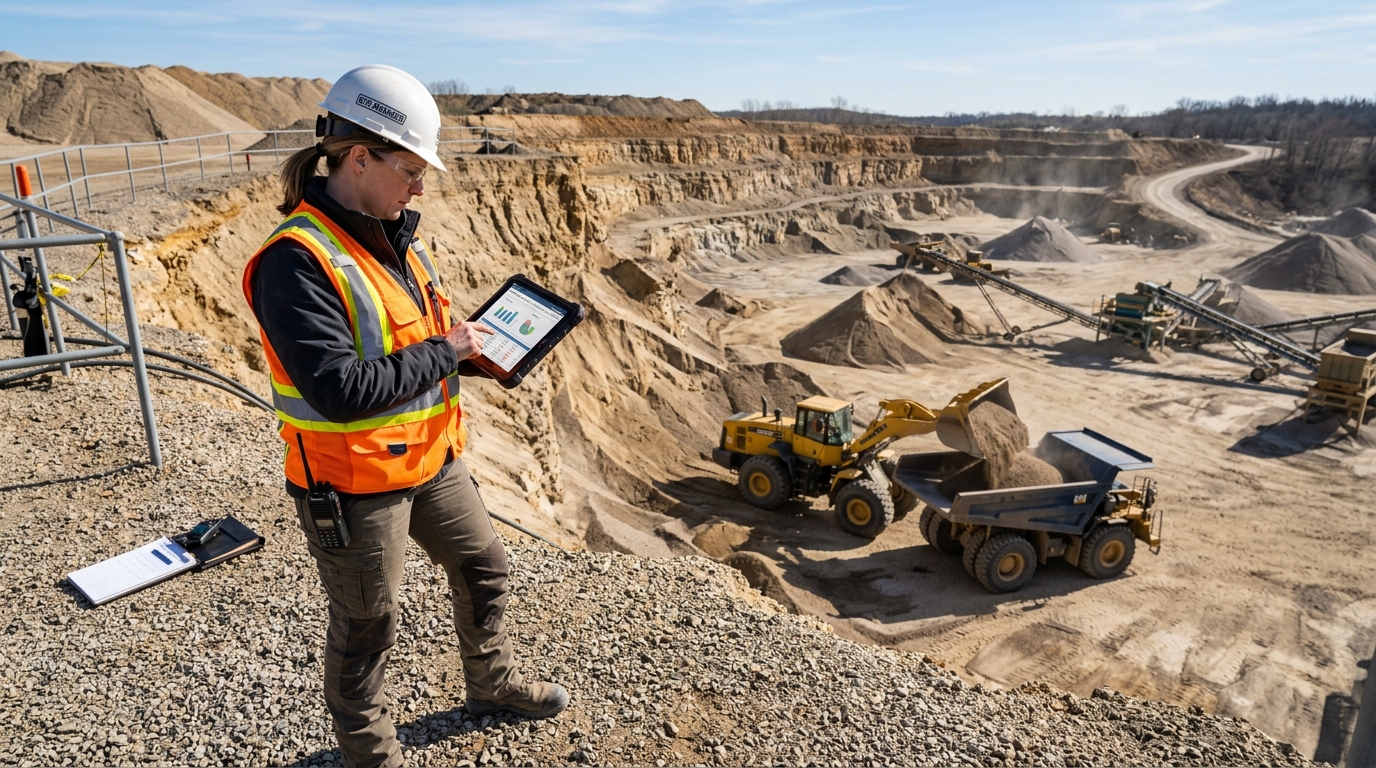
In traditional workflows, surplus excavation material often ends up in disposal sites simply because contractors cannot quickly find a buyer.
Dirt brokering changes that by treating excess material as a reusable resource rather than waste. This reduces landfill usage and supports more efficient surplus dirt management practices.
The U.S. Environmental Protection Agency highlights the importance of material reuse in reducing construction-related environmental impacts.
Supporting Local Material Reuse
By connecting nearby projects, brokers reduce the need for long-distance hauling and newly mined materials. This supports both environmental goals and cost reduction strategies.
As Houston continues expanding, localized material reuse is becoming a smarter and more sustainable way to manage excavation materials.
Local Insights: Houston Growth Driving Dirt Brokering Demand
Houston’s ongoing development is one of the biggest reasons dirt brokering continues to grow.
Residential Expansion in West Houston
Areas like Katy and Cypress continue adding new subdivisions, increasing demand for fill dirt and grading materials.
Infrastructure and Highway Projects
Projects along I-10, Beltway 8, and the Grand Parkway often generate large amounts of excess excavation material while simultaneously requiring imported fill in nearby areas.
Industrial Development Near the Port
Industrial construction near Port Houston creates constant movement of materials, making efficient brokering and hauling coordination increasingly valuable.
These regional dynamics continue driving demand for fill dirt exchange Houston solutions.
Final Thoughts
The reason dirt brokering is growing in Houston comes down to efficiency. Contractors need faster, more cost-effective ways to manage material flow, and brokering helps solve that problem by connecting supply with demand in real time.
As Houston’s construction market continues to expand, dirt brokers are becoming a more important part of project logistics, helping reduce hauling costs, minimize waste, and improve sourcing efficiency.
For contractors looking to improve material coordination, opportunities are available to search listings near you for available dirt or list your material to connect with active buyers and suppliers across Houston.
FAQs
Why is dirt brokering growing in Houston construction projects?
Because it helps contractors reduce hauling costs, improve sourcing efficiency, and better manage excess material.
What do Houston dirt brokers do?
They connect projects with surplus dirt to projects needing fill material, improving logistics and reducing waste.
How does dirt brokering save money?
It reduces transportation distances, disposal fees, and sourcing delays.
Can contractors sell excess dirt through a broker?
Yes, many platforms allow contractors to list or broker surplus material directly.
What’s the difference between brokering and advertising dirt listings?
Brokering involves direct coordination assistance, while advertising allows buyers and sellers to connect directly through listings.