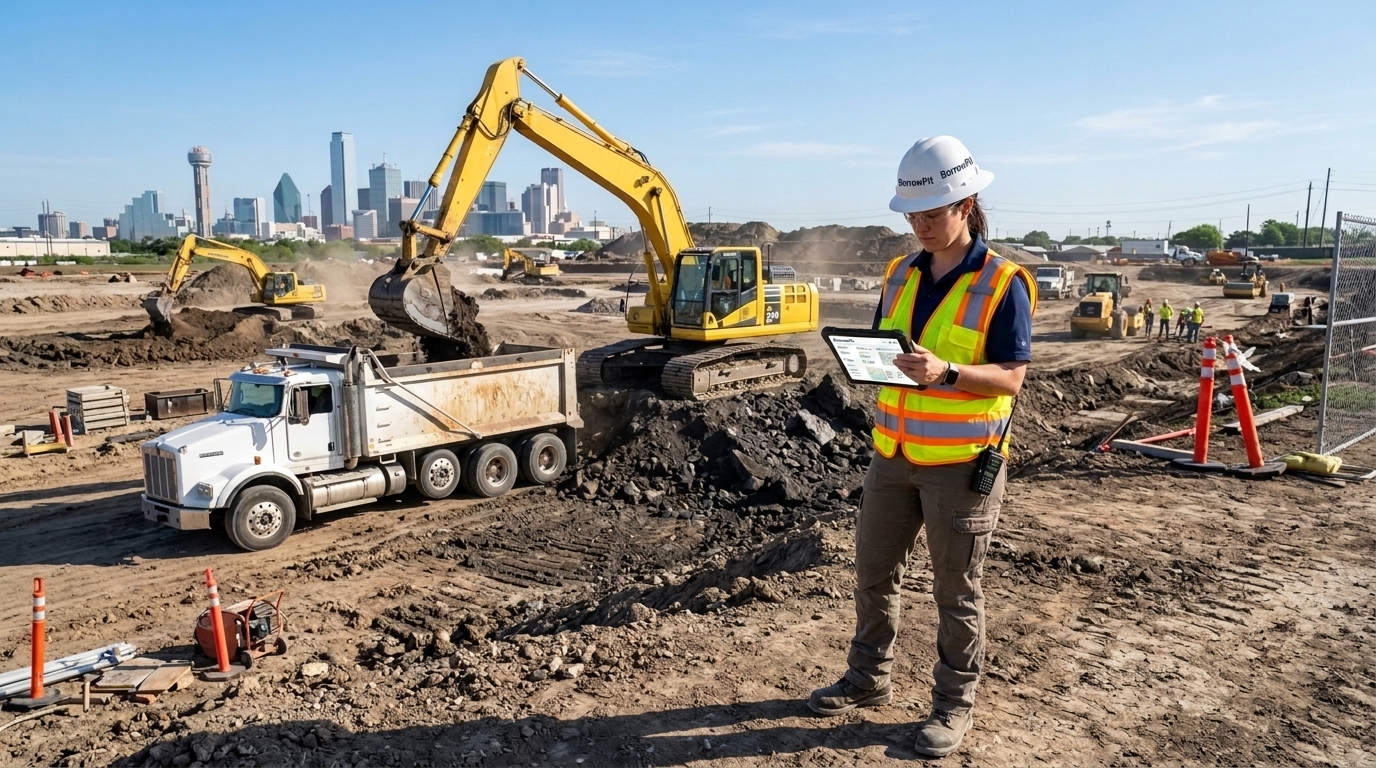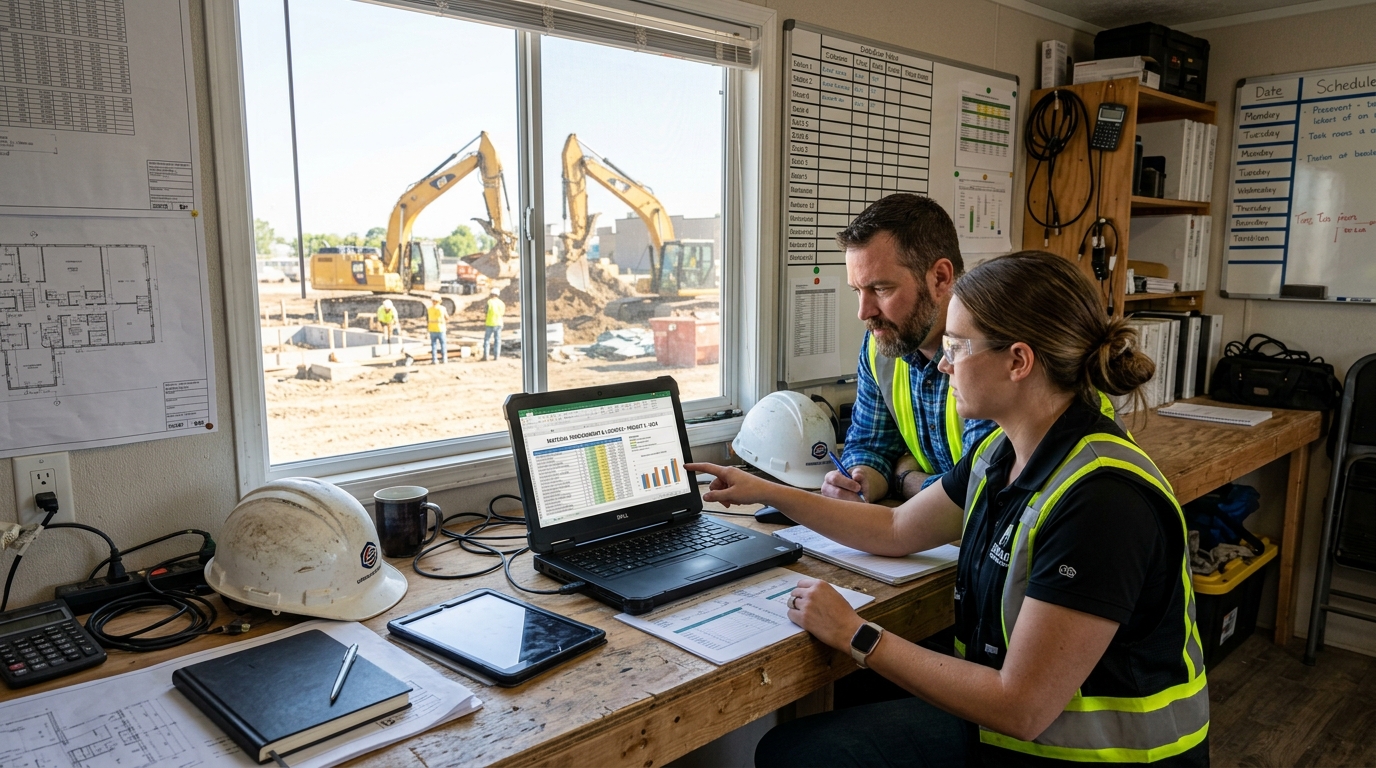
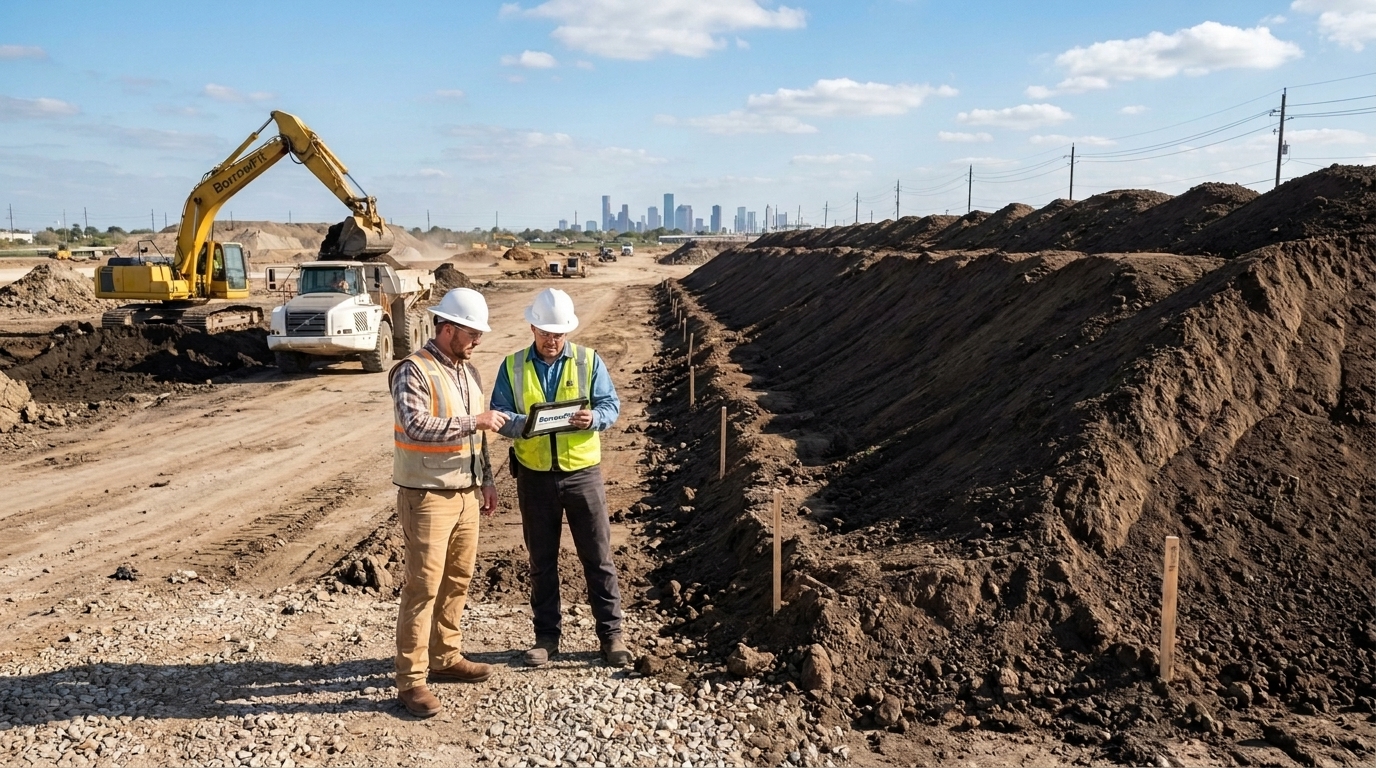
When an excavating contractor cuts five feet of depth across a twenty-acre commercial site to prepare a warehouse building pad, thousands of cubic yards of clean dirt must leave the property. Traditionally, site superintendents treated excess soil as waste, paying thousands of dollars in haul-off trucking fees and landfill tipping charges. Today, smart contractors turn job-site cut balances into cash flow. Learning how to list your excess construction material on a digital dirt marketplace allows civil teams to monetize surplus soil, connect with regional buyers, and eliminate unnecessary haul-off costs.
Whether managing site cuts from commercial developments, utility trenching, or demolition clearing, surplus earthwork materials carry substantial commercial value. Establishing a streamlined listing workflow enables general contractors, site developers, and pit operators to transform material disposal burdens into revenue-generating assets.
Who Has Excess Material and Needs Site Cut Disposal Solution
Every major civil earthwork project involves moving soil. Industry data compiled by the Associated General Contractors of America demonstrates that site balancing is one of the single largest cost factors in site development.
General Contractors and Site Development Crews
General contractors managing building construction often encounter excess cut dirt during mass grading, retention pond digging, and foundation excavation. Clearing dirt quickly is essential to keep underground utilities and slab pours moving.
Land Developers and Earthwork Subcontractors
Subdivision developers cutting roads through rolling terrain frequently produce thousands of yards of surplus topsoil or clay fill. Selling excess material to nearby projects offsets site preparation expenses.
Demolition Contractors and Pit Operators
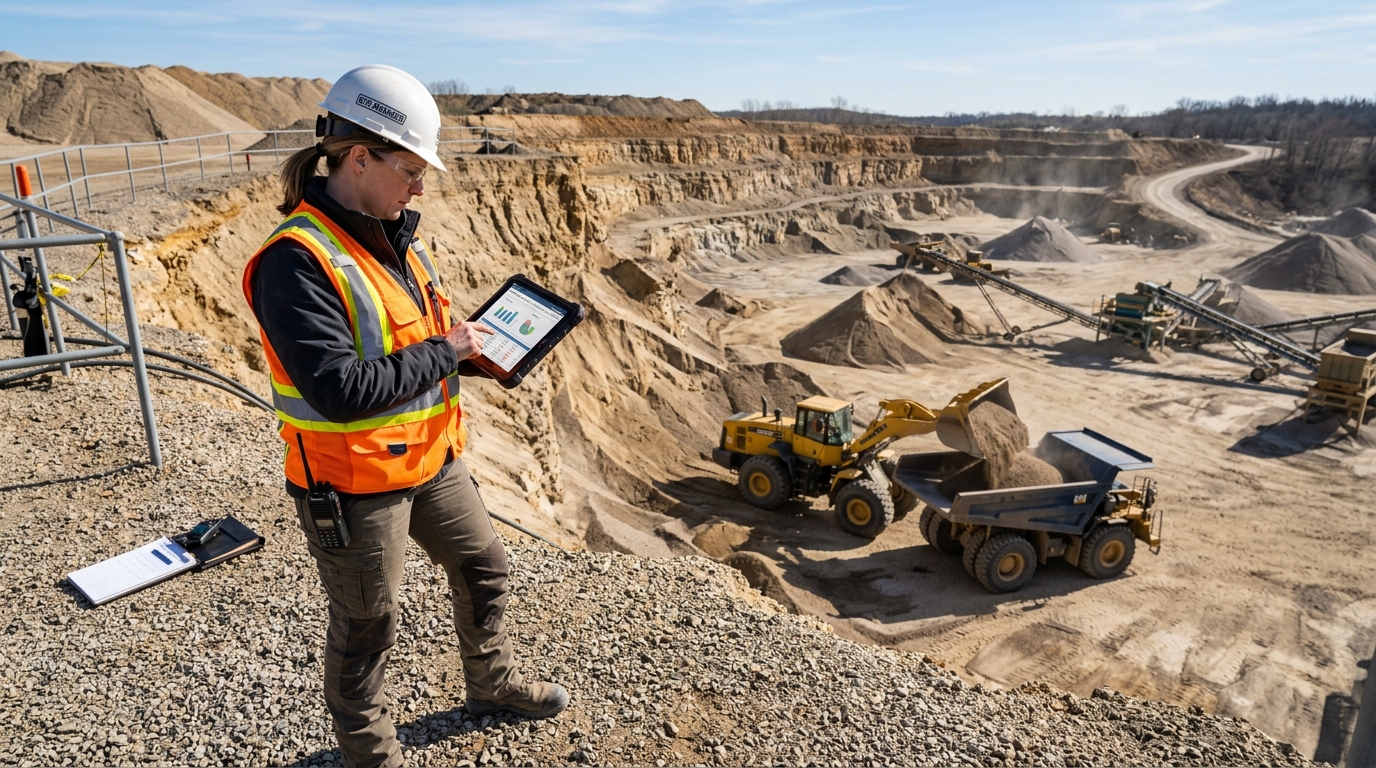
Demolition crews breaking up concrete parking lots produce high-grade crushed aggregate. Commercial borrow pit operators also use digital platforms to market surplus soil strata to regional buyers.
Valuable Excess Construction Materials Buyers Are Searching For
Not all job-site cut dirt is equal. Understanding the market demand for specific material classifications helps sellers set competitive pricing:
Clean Common Fill for General Site Grading
Common fill is in constant demand for backfilling deep trenches, constructing highway embankments, and leveling low-lying terrain. To fetch top dollar, fill must be clean and free of organic debris.
Select Clay Fill for Structural Pad Preparation
Select fill with controlled Plasticity Index (PI 7 to 20) commands premium prices. Commercial builders require select clay to form water-resistant, stable building pads beneath warehouse slabs.
Un-Screened and Screened Organic Topsoil
Stripped topsoil is highly valuable for landscaping contractors, golf course builders, and residential developments. Selling un-screened topsoil directly from the job site saves screening and storage costs.
Recycled Aggregates, Crushed Concrete, and Asphalt Millings
Crushed concrete base and reclaimed asphalt pavement (RAP) are eager targets for road contractors needing affordable subbase material for access roads and parking lots.
Essential Data Buyers Need Before Purchasing Excess Soil
To attract serious buyers and close material sales quickly, sellers must provide clear technical data in their online listings:
Accurate Material Quantities and Unit Options
State available volume clearly in bank cubic yards, loose cubic yards, or tons. Giving buyers exact quantity estimates helps them plan dump truck fleets and hauling schedules.
Geotechnical Soil Classification and Lab Submittals
Attaching recent laboratory test sheets (Atterberg limits, sieve analysis, Proctor compaction curves) builds buyer confidence and allows engineering teams to approve the material immediately.
Exact Geographic Location and Truck Access Conditions
Haul distance dictates trucking freight costs. Listing exact job-site coordinates or municipal locations allows buyers to calculate cycle times. Note whether the site accommodates tri-axle dump trucks or end-dumps.
Step-by-Step Process for Listing Materials Online
Modern digital platforms make listing excess construction dirt simple, fast, and transparent:
Step 1: Account Creation and Seller Verification
Sellers register a free profile on the platform, providing company details and contact information so buyers can communicate directly.
Step 2: Uploading Material Specs and Geotechnical Reports
Contractors create a detailed listing, select material categories (fill dirt, sand, topsoil, aggregate), enter available quantities, and attach PDF lab reports or job-site photos.
Step 3: Setting Flexible Pickup and Hauling Terms
Sellers specify whether material is offered loaded on buyer trucks, delivered to local job sites, or available for self-loading by the purchaser.
Digital Platform Workflows vs Traditional Material Brokerage
Traditional dirt brokering relies on manual phone calls, localized word-of-mouth networks, or paying expensive landfill disposal fees. In contrast, using a digital material marketplace offers three major operational advantages:
- Broader Regional Reach: Online listings expose your material to hundreds of regional contractors, excavators, and developers active within a 50-mile radius.
- Direct Seller-to-Buyer Communication: Buyers and sellers negotiate volume pricing, pickup schedules, and delivery logistics directly without middleman markups.
- Faster Site Clearing: Connecting with nearby fill-short projects eliminates project downtime, clearing cut dirt from your site in days rather than weeks.
When you ready your job site for cut excavation, taking time to add a listing on BorrowPit puts your material in front of active regional buyers looking for tested earthwork supplies.
Practical Action Plan for Maximizing Dirt Disposal Revenues
Transforming excess soil into revenue requires planning material disposal before trackhoes start digging. By securing certified lab reports during pre-bid site testing, establishing accurate volume estimates, and listing material online early, project teams maximize returns. Using digital marketplaces to search nearby fill materials or sell surplus cut dirt ensures contractors eliminate haul-off fees while helping regional peers source quality materials. Sourcing and selling through BorrowPit guarantees transparent, efficient material trading for civil contractors across the region.
Frequently Asked Questions
How much can contractors earn by selling excess fill dirt?
Earnings depend on soil classification and location. Clean fill typically sells for $2 to $6 per yard at the site, while select clay or topsoil can fetch $6 to $14 per yard, eliminating haul-off fees.
What is the difference between bank yards and loose yards when listing soil?
Bank yards measure soil in its natural, un-excavated state. Loose yards measure soil after excavation, which expands in volume by 15 to 30 percent due to soil swell.
Can contractors sell un-tested fill dirt online?
Yes, un-tested common fill can be listed for general non-structural grading, but providing certified lab test sheets attracts higher-paying structural fill buyers.
Who is responsible for loading haul trucks when buying excess dirt?
Loading terms are specified in the listing. Typically, the cut-site contractor provides trackhoe loading, or buyers bring their own loader for self-service pickup.
How quickly do excess material listings connect with buyers online?
Listings priced competitively near active metro development zones often connect with regional buyers within 24 to 48 hours.