Large-scale excavation projects rarely end with every cubic yard of soil staying on-site. Whether you’re building a highway expansion in Houston, preparing an industrial park in Dallas-Fort Worth, or grading a commercial development outside Austin, knowing how to dispose of excess cut dirt can significantly affect project costs, schedules, and regulatory compliance. Leaving surplus excavated material unmanaged can result in expensive hauling, unnecessary landfill fees, and potential environmental liabilities.
The good news is that disposal isn’t the only option. Depending on the material quality and project requirements, excess cut dirt may be reused on-site, transported to another construction project, sold through a material marketplace, or donated to a receiver site. Understanding these alternatives before excavation begins helps contractors reduce waste while improving project efficiency.
Understanding Why Excess Cut Dirt Becomes a Costly Problem
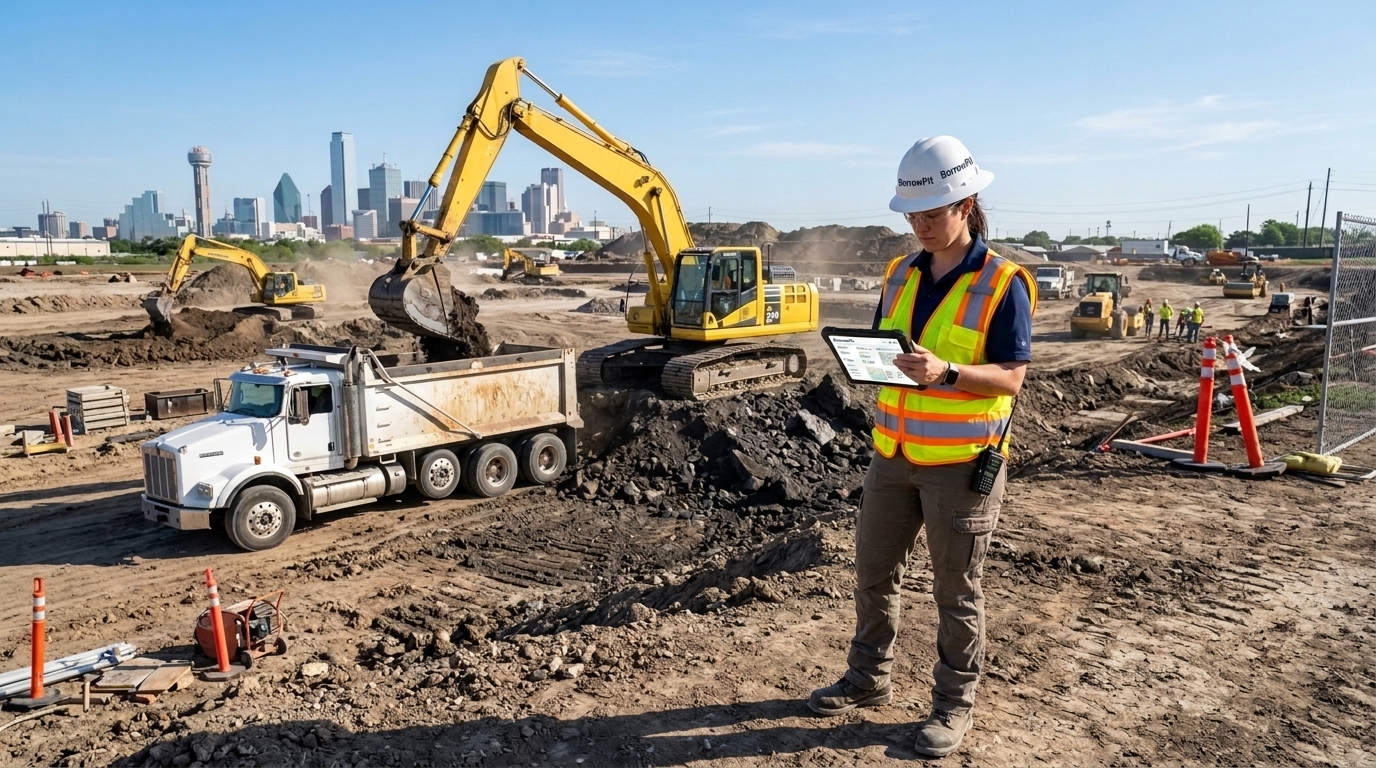
Earthwork contractors often focus on importing material, but managing surplus excavation can be just as important. Every truckload hauled off-site represents additional labor, fuel, equipment time, and disposal expenses. On highway projects along I-35, industrial developments in San Antonio, or subdivision grading in North Texas, thousands of cubic yards of excess soil can quickly become one of the largest unforeseen costs if no disposal plan exists.
Beyond transportation expenses, contractors must also consider liability. Stockpiling material for extended periods can interfere with site logistics, create drainage issues, and increase erosion risks during heavy rainfall. If the material cannot be reused or legally placed elsewhere, project schedules may be affected while a compliant disposal solution is identified.
Options to Dispose of Excess Cut Dirt
Several practical solutions are available depending on soil quality, project specifications, and nearby construction activity. Evaluating these options before excavation begins often reduces hauling distances and disposal costs.
Reusing Material On-Site
The most economical solution is often balancing cut and fill within the same project. Suitable excavated material may be reused for embankments, utility trench backfill, berm construction, landscape grading, or other non-structural applications if it meets the project specifications.
Many commercial developments throughout Texas perform earthwork balancing during design to minimize imported fill and reduce the amount of surplus material requiring removal. Geotechnical testing should always confirm whether excavated soils are appropriate for their intended reuse.
Off-Site Disposal and Receiver Sites
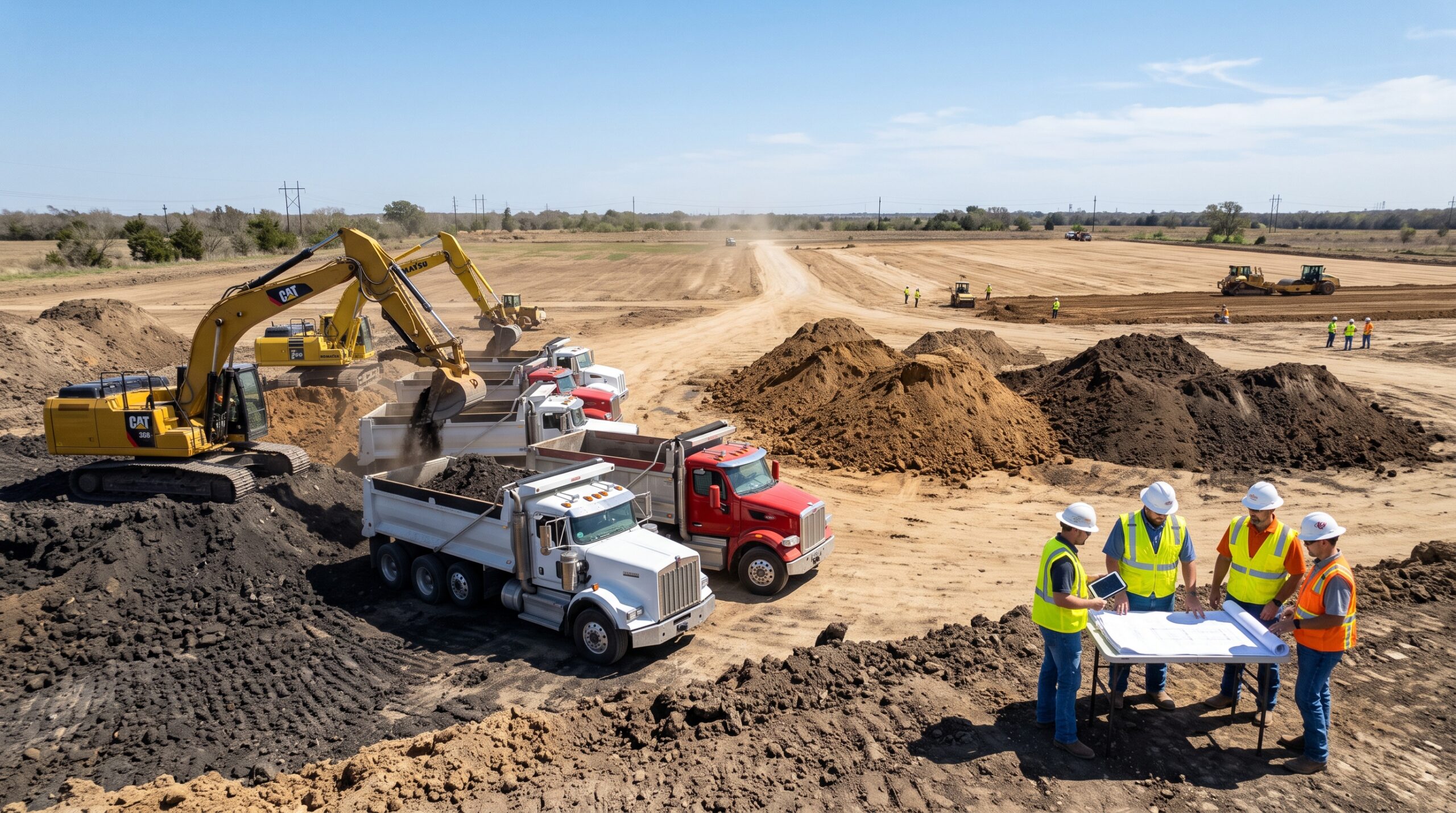
When on-site reuse isn’t possible, contractors typically transport excess material to an approved receiver site, another active construction project, or a permitted borrow area accepting clean fill. The receiving location should be verified before hauling begins to avoid unnecessary transportation and unloading delays.
Disposal costs vary based on hauling distance, trucking availability, fuel prices, and whether tipping fees apply. For projects near rapidly growing corridors such as SH-130 around Austin or US-290 in Houston, nearby receiver sites may offer a more economical alternative than long-distance disposal.
Selling or Donating Clean Fill
If excavated material is clean and suitable for construction use, disposal may become a revenue opportunity instead of a cost. Contractors frequently sell or donate excess fill to developers, utility contractors, municipalities, or landowners requiring material for grading and site improvements.
Rather than relying solely on existing contacts, contractors can advertise available material through the BorrowPit Dirt Marketplace, allowing buyers searching for fill dirt across Texas to connect directly with suppliers. This approach often shortens hauling distances while helping recover a portion of excavation costs.
TCEQ Considerations for Dirt Disposal in Texas
Before transporting surplus material off-site, contractors should understand the regulatory requirements that may apply. While clean, uncontaminated soil is generally managed differently from regulated waste, excavation activities must still comply with applicable environmental regulations and local permitting requirements.
The Texas Commission on Environmental Quality (TCEQ) oversees waste management regulations and provides guidance on handling excavated materials, beneficial reuse, and environmental compliance. Contractors should verify whether the excavated material qualifies as clean fill and confirm that the receiving location is appropriate for the intended use before hauling begins.
Current guidance can be found through the official TCEQ Industrial and Hazardous Waste resources.
Reviewing these requirements early helps minimize compliance risks, particularly on infrastructure, municipal, and public-sector construction projects.
Finding Buyers and Receiver Sites for Clean Fill
Locating a nearby receiver before excavation starts is one of the most effective ways to reduce hauling costs and avoid project delays. Contractors working across Dallas-Fort Worth, Houston, Austin, and San Antonio often coordinate with developers, utility contractors, or site preparation companies that require clean fill for ongoing projects.
Digital material marketplaces have simplified this process by allowing contractors to advertise available material or search for nearby demand instead of relying exclusively on existing supplier networks. BorrowPit connects contractors, developers, borrow pit operators, and material owners throughout Texas, making it easier to match surplus excavation with projects needing fill. Companies interested in learning more about the platform can visit the BorrowPit About Us page, while contractors or material owners looking to discuss sourcing opportunities or marketplace listings, including listings starting at $249 per month, can reach the team through the Contact Us page.
Conclusion
Knowing how to dispose of excess cut dirt is an essential part of successful earthwork planning. Instead of treating surplus excavation as waste, contractors should evaluate opportunities for on-site reuse, receiver sites, material sales, or donations before hauling begins.
Combining proactive planning with compliant disposal practices and efficient sourcing tools can reduce transportation costs, minimize environmental risks, and keep Texas construction projects on schedule.
FAQs
Can excess cut dirt be reused on another construction project?
Yes. If the material meets the receiving project’s engineering requirements and is free from contamination, it can often be reused as fill, reducing disposal costs.
Does TCEQ regulate clean fill dirt disposal?
TCEQ regulations may apply depending on the material characteristics and disposal method. Contractors should verify that excavated material qualifies as clean fill before transporting it off-site.
Is selling excess fill dirt legal in Texas?
Yes. Clean excavated material can be sold or transferred to other projects, provided all applicable environmental and project requirements are satisfied.
How can contractors reduce dirt hauling costs?
Planning receiver sites before excavation begins, balancing cut and fill on-site, and connecting with nearby buyers through material marketplaces can significantly reduce hauling distances.
Where can I find buyers for surplus construction dirt in Texas?
Platforms such as BorrowPit help contractors connect with buyers, borrow pit operators, and developers looking for clean fill materials across Texas.