Finding enough fill dirt for a large civil project, or finding a home for thousands of cubic yards of excess excavation, is rarely as simple as calling the nearest borrow pit. Material availability, hauling distance, quality requirements, and project schedules all influence whether a source is practical. On projects across Houston, Dallas-Fort Worth, Austin, San Antonio, and other growing Texas markets, these factors can significantly affect both cost and productivity.
This is where dirt brokerage in Texas becomes valuable. Rather than relying solely on personal contacts or calling multiple suppliers, contractors work with a dirt broker who connects buyers and sellers, coordinates material availability, and helps reduce hauling distances. For earthwork contractors, developers, and excavation companies, a broker can simplify procurement while keeping projects on schedule.
What Is Dirt Brokerage in Texas?
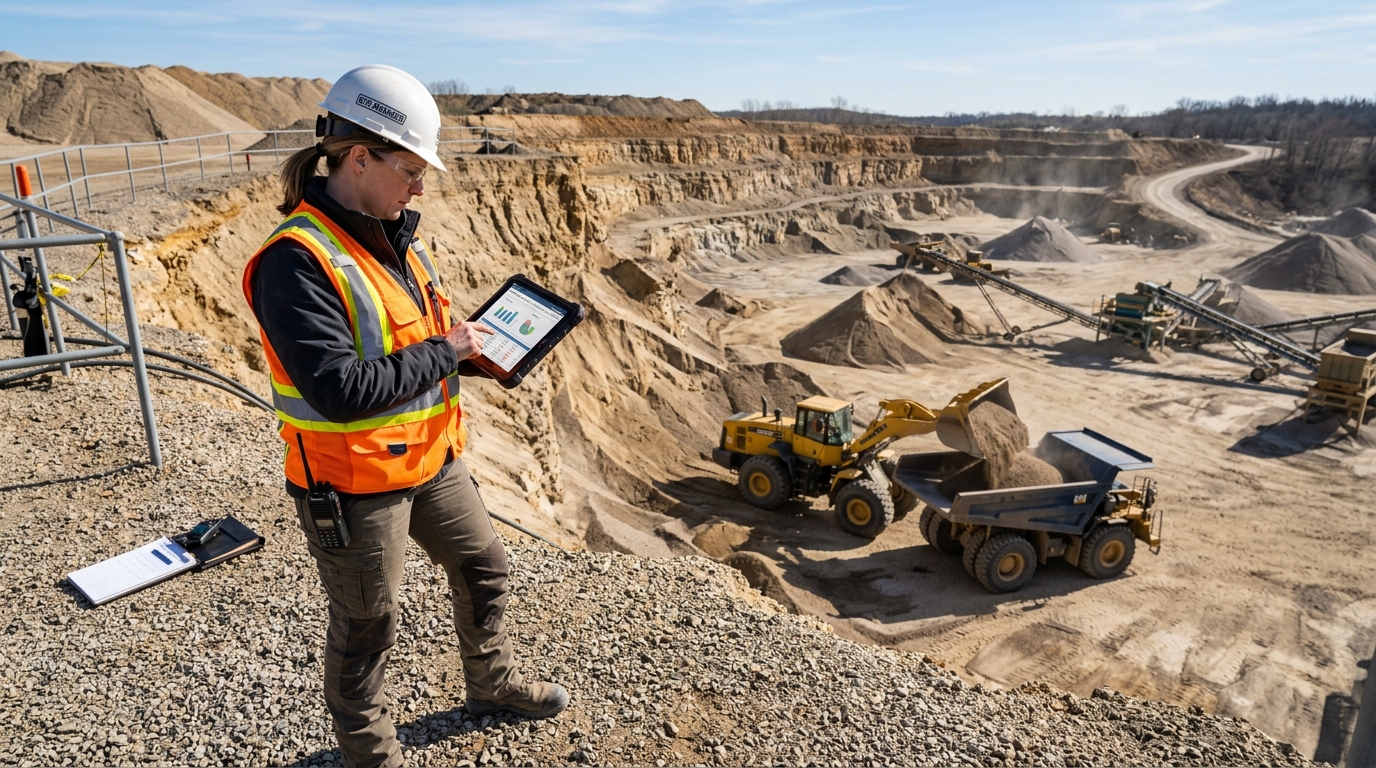
Large construction projects often require thousands, or even hundreds of thousands, of cubic yards of fill material. At the same time, nearby developments may be excavating the same amount of excess soil. A dirt broker bridges that gap by matching available material with projects that need it.
Unlike a borrow pit owner, a broker typically does not own the material. Instead, they manage the sourcing process by identifying suitable suppliers, verifying availability, coordinating logistics, and connecting both parties to complete the transaction efficiently.
Before looking at when brokerage adds value, it’s helpful to understand what a broker actually handles throughout a project’s material sourcing process.
What Does a Dirt Broker Do?
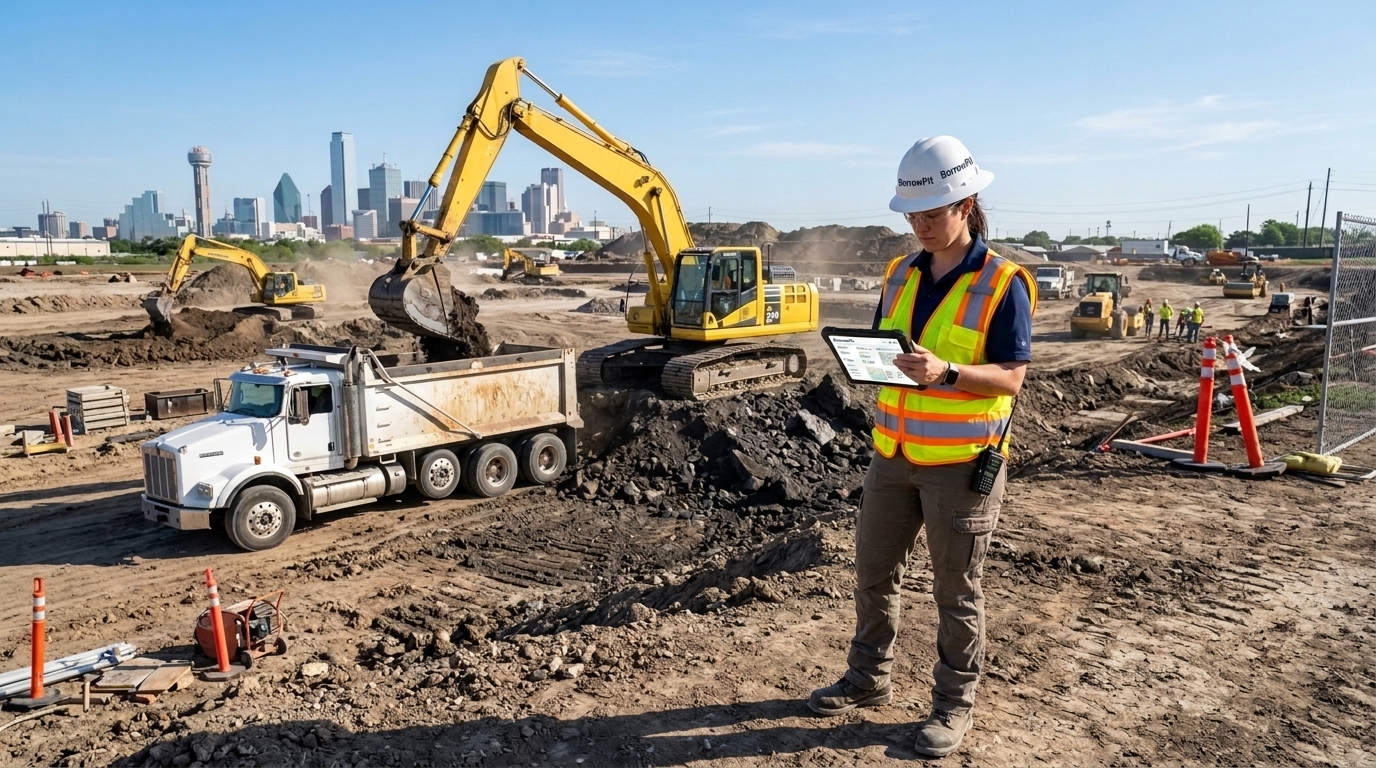
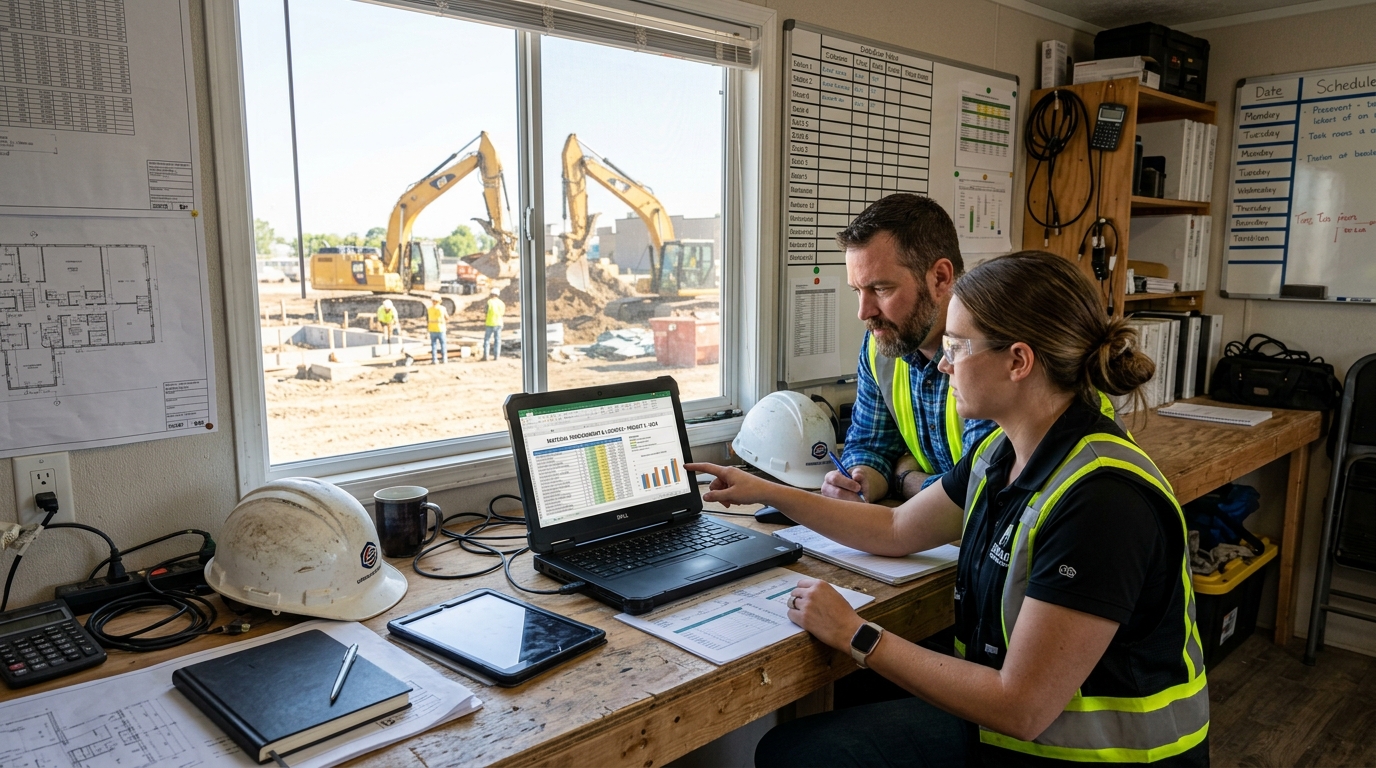
A dirt broker in Texas manages much more than introductions between buyers and sellers. On large earthwork projects, brokers continuously monitor material availability, hauling distances, project schedules, and changing demand to keep materials moving efficiently.
Typical responsibilities include:
- Locating borrow pits and surplus excavation material
- Matching buyers with qualified suppliers
- Coordinating hauling logistics and delivery schedules
- Identifying sources closer to the project site
- Helping reduce transportation costs and procurement delays
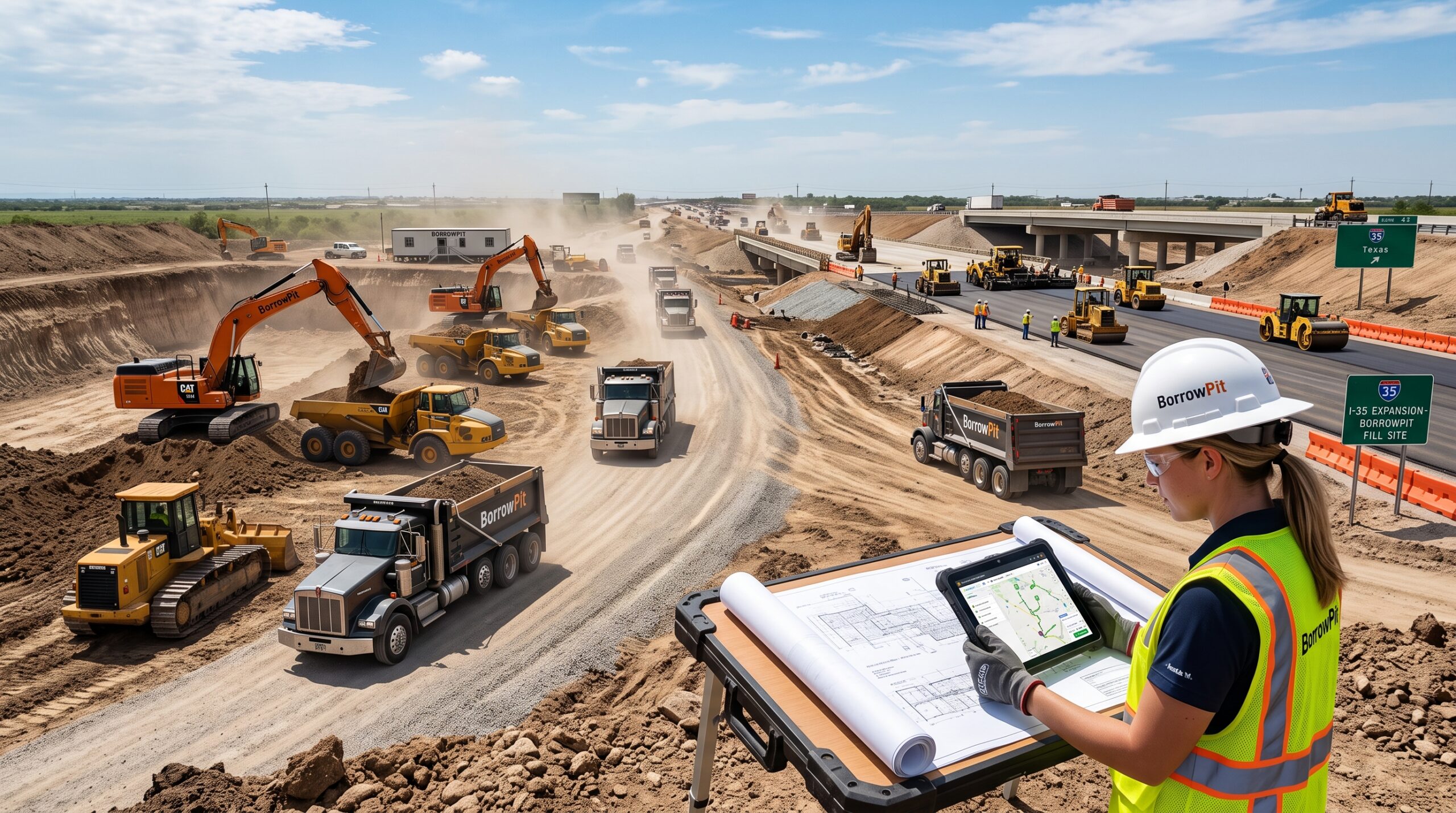
For example, a contractor building a highway expansion near Austin may need 80,000 cubic yards of structural fill within a short timeframe. Rather than contacting multiple suppliers individually, a broker can identify suitable sources, compare hauling options, and secure available material more efficiently.
Through BorrowPit’s Brokerage Services, contractors can work directly with experienced brokers to source material for specific project requirements. Companies that already have available fill can also list their inventory on the platform, making it easier for buyers across Texas to locate nearby material while reducing unnecessary hauling.
Buyer-Side vs Seller-Side Dirt Brokerage
Although both services involve connecting buyers and sellers, the broker’s responsibilities differ depending on who they represent. Understanding these differences helps contractors choose the most effective approach for their project.
Buyer-Side Dirt Brokerage
Buyer-side brokerage focuses on helping contractors, developers, and project managers locate material that meets their quantity, quality, schedule, and budget requirements. Instead of contacting multiple borrow pits individually, a broker searches a wider supplier network to identify available material as close to the project as possible.
This approach is particularly valuable on highway expansions, commercial developments, industrial parks, and subdivision projects where material shortages can delay grading operations. A broker evaluates available borrow pits, confirms production capacity, coordinates hauling logistics, and identifies backup sources if a supplier cannot meet demand.
For example, a contractor constructing an industrial facility near Interstate 35 in San Antonio may require 80,000 cubic yards of structural fill within a limited construction window. Rather than depending on a single supplier, a dirt broker can secure material from multiple approved sources, helping keep earthwork operations on schedule while reducing transportation costs.
Seller-Side Dirt Brokerage
Seller-side brokerage benefits contractors, excavation companies, developers, and landowners with surplus excavation material. Instead of treating excess cut as waste, brokers help identify projects that can reuse clean fill, turning a disposal expense into a potential revenue opportunity.
A commercial site in Dallas may generate 40,000 cubic yards of clean excavation material while a nearby subdivision requires nearly the same quantity for pad construction. Rather than hauling the material to a disposal site, a broker connects both parties, reducing landfill use, lowering hauling costs, and improving overall project efficiency.
Contractors looking for assistance sourcing or marketing material can work directly with BorrowPit’s Brokerage Services, while suppliers that prefer direct buyer inquiries can advertise available inventory through the marketplace, increasing visibility across Texas.
How Dirt Brokerage Fees Work
Brokerage fees often raise questions, but they are generally small compared to the transportation and procurement savings they can create. Understanding how fees are structured helps contractors evaluate the overall value of using a broker.
Who Pays the Brokerage Fee?
Unlike traditional material suppliers, brokers usually do not own the dirt they source. Instead, they facilitate the transaction between the material owner and the buyer.
Depending on the project, brokerage fees may be paid by:
- The contractor purchasing material
- The supplier selling surplus material
- Both parties under a negotiated agreement
Fee structures also vary. Some brokers charge a fixed service fee, while others earn compensation based on the volume of material successfully placed or the overall transaction value.
On projects requiring tens of thousands of cubic yards, the brokerage fee is often outweighed by reductions in hauling distance, equipment idle time, and procurement delays. Saving even ten miles on each truckload can translate into substantial fuel and labor savings across an entire project.
When Dirt Brokerage Makes More Sense Than Buying Direct
Purchasing directly from a borrow pit works well when the required material is readily available nearby. However, many large Texas projects face changing schedules, limited supply, or specialized material requirements that make direct sourcing less practical.
Situations Where a Broker Adds Value
Dirt brokerage is often the better solution when:
- Multiple suppliers are needed to meet project quantities.
- Suitable borrow pits are located far from the jobsite.
- Excess excavation material needs to be marketed quickly.
- Contractors need material with specific engineering characteristics.
- Tight schedules leave little time to contact multiple suppliers individually.
For example, a highway contractor working on SH-99 near Houston may require select fill from several borrow pits to maintain production. Coordinating those suppliers independently can consume valuable project management time. A broker streamlines that process while helping secure material from the most practical locations.
Contractors should also verify project-specific material requirements before procurement. The Texas Department of Transportation (TxDOT) publishes current construction specifications and material standards through its official website.
Conclusion
Large earthwork projects depend on more than simply finding available dirt, they depend on finding the right material, in the right quantity, at the right location, and at the right time. Dirt brokerage in Texas helps contractors overcome supply challenges by connecting buyers with suppliers, reducing hauling distances, coordinating logistics, and keeping projects moving.
Whether you’re sourcing fill for a highway expansion in Austin, managing excess excavation in Houston, or supplying material for a commercial development in Dallas-Fort Worth, working with an experienced broker can reduce procurement risks and improve project efficiency. Contractors seeking sourcing assistance can explore BorrowPit’s Brokerage Services, while suppliers looking to reach more buyers can list available inventory through the platform’s marketplace.
FAQs
What does a dirt broker do?
A dirt broker connects contractors, developers, and material suppliers, helping source or market bulk fill dirt while coordinating logistics and reducing procurement challenges.
Is dirt brokerage only for large construction projects?
While brokerage is most common on large civil and commercial projects, it can also benefit smaller developments that require significant quantities of fill or have surplus excavation material.
Who typically pays the brokerage fee?
The fee may be paid by the buyer, the seller, or both parties, depending on the agreement and the services provided.
Can a dirt broker help sell excess excavation material?
Yes. Brokers connect contractors and landowners with projects that need clean fill, reducing disposal costs and creating opportunities to recover value from surplus material.
How does BorrowPit help with dirt brokerage?
BorrowPit offers professional brokerage services for contractors needing material and provides an online marketplace where suppliers can advertise available fill dirt and connect directly with buyers across Texas.