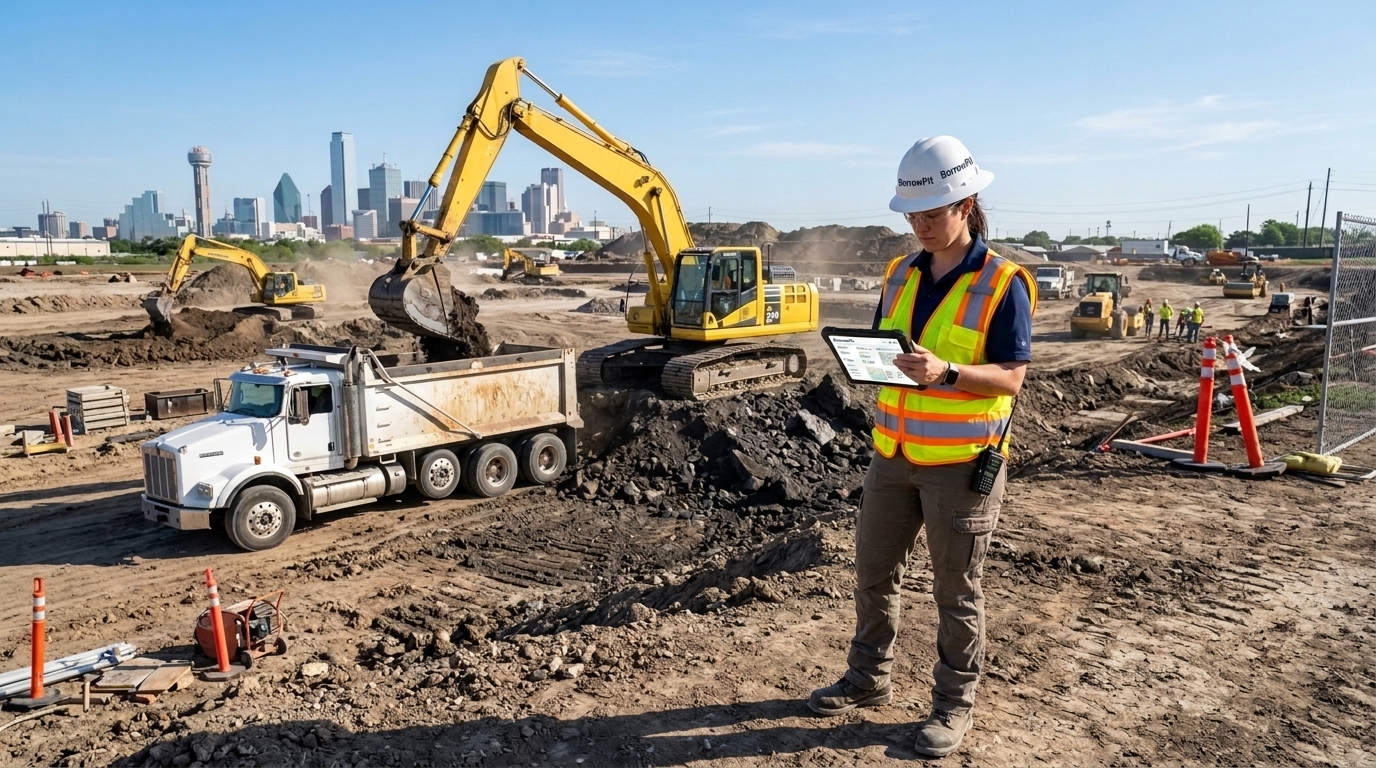
Large-scale land development begins long before utilities are installed or foundations are poured. Whether it’s a 500-home subdivision outside Houston, an industrial park in Dallas-Fort Worth, or a mixed-use development near Austin, every successful project depends on securing enough fill material to prepare the site. Developers routinely require tens of thousands, sometimes hundreds of thousands, of cubic yards of fill dirt, making procurement a critical part of project planning.
Sourcing fill dirt for large land development projects is about far more than finding the lowest price. Developers must evaluate supplier capacity, material quality, geotechnical requirements, hauling distances, and delivery schedules to avoid costly delays. Understanding this process helps contractors, project managers, and developers make informed sourcing decisions while keeping earthwork operations on schedule.
Understanding Fill Dirt Requirements for Large Land Development Projects
The amount and type of fill required varies depending on the project’s scope, site conditions, and engineering design. Residential subdivisions, commercial developments, distribution centers, and industrial facilities all have different earthwork requirements, making early material planning essential.
Volume Requirements for Residential and Commercial Developments
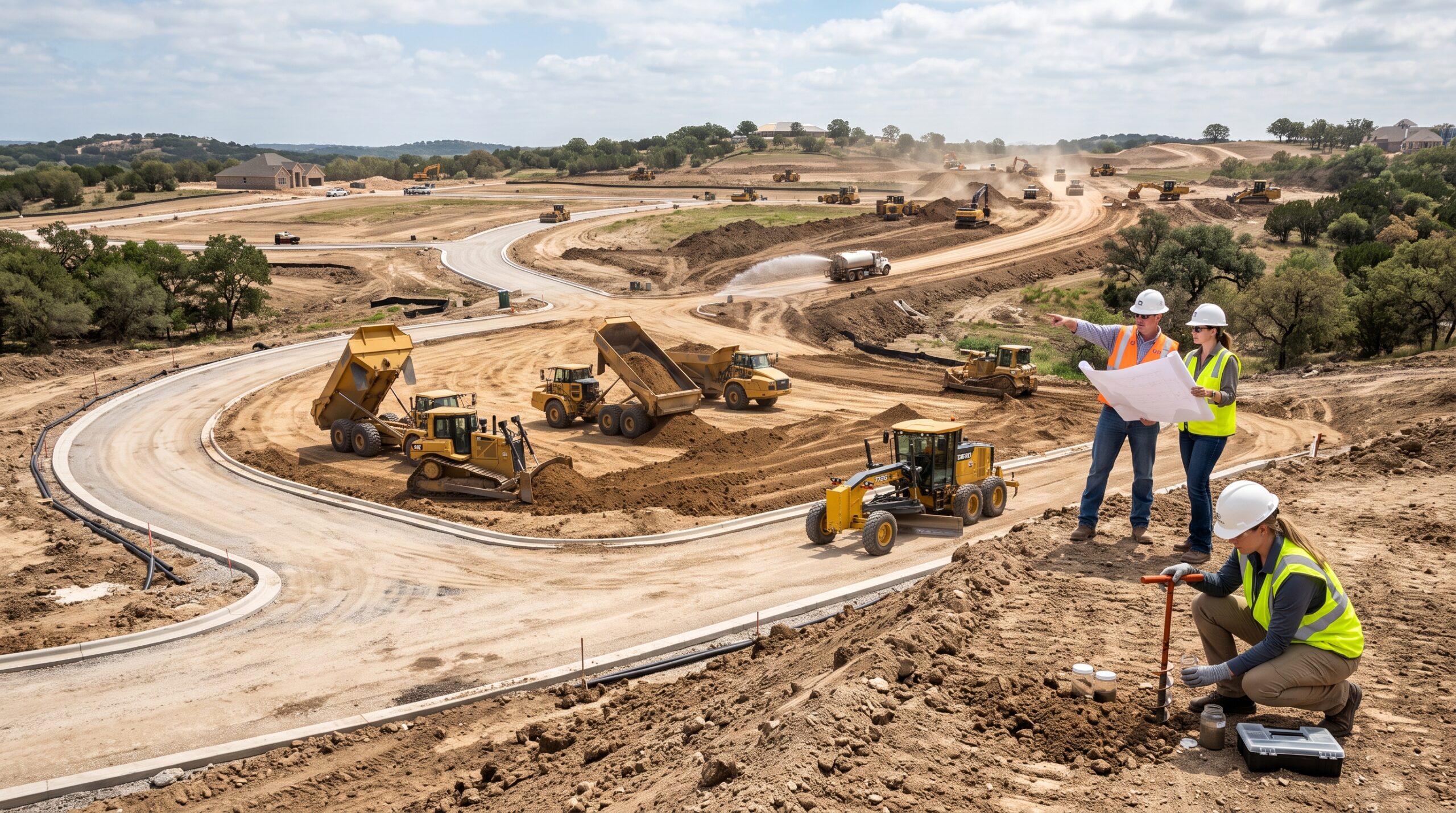
Large developments rarely rely on a single truckload or even a single supplier. A residential subdivision may require 30,000 to 100,000 cubic yards of fill for lot grading, roadway embankments, detention ponds, and utility corridors. Industrial facilities and commercial developments often require even greater volumes to raise finished grades, stabilize building pads, or meet floodplain elevation requirements.
For example, a master-planned community near Houston may need multiple borrow sources operating simultaneously to maintain grading production. Likewise, a warehouse development along Interstate 35 in San Antonio may require continuous deliveries over several months to support phased construction.
Developers typically estimate fill requirements during site design and grading analysis, allowing procurement teams to identify suppliers before construction begins. Ordering material after earthwork has started often results in longer hauling distances, inconsistent supply, and increased project costs.
How Developers Qualify Fill Dirt Suppliers
Choosing a supplier involves much more than confirming available inventory. Developers must ensure suppliers can consistently meet engineering specifications, production volumes, and project schedules throughout the duration of construction.
Evaluating Supplier Capacity and Delivery Performance
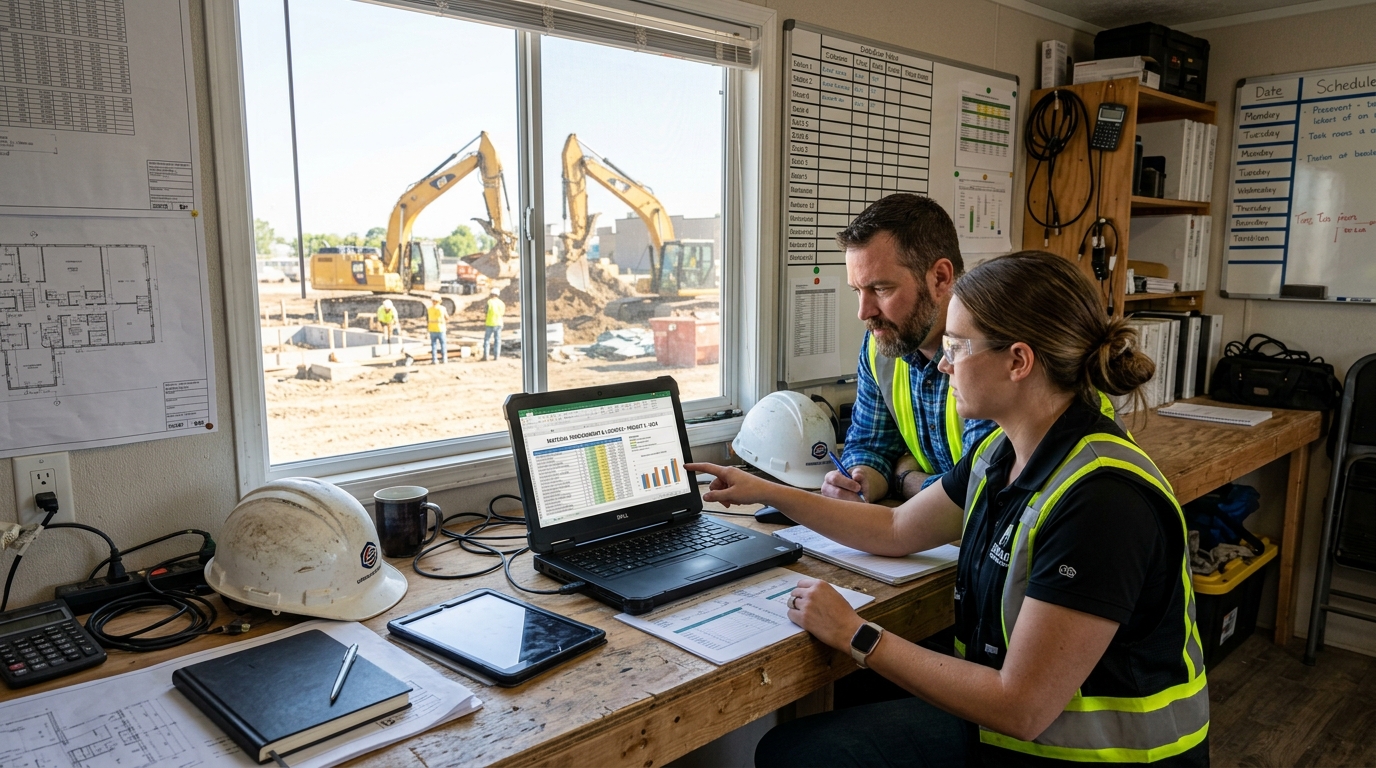
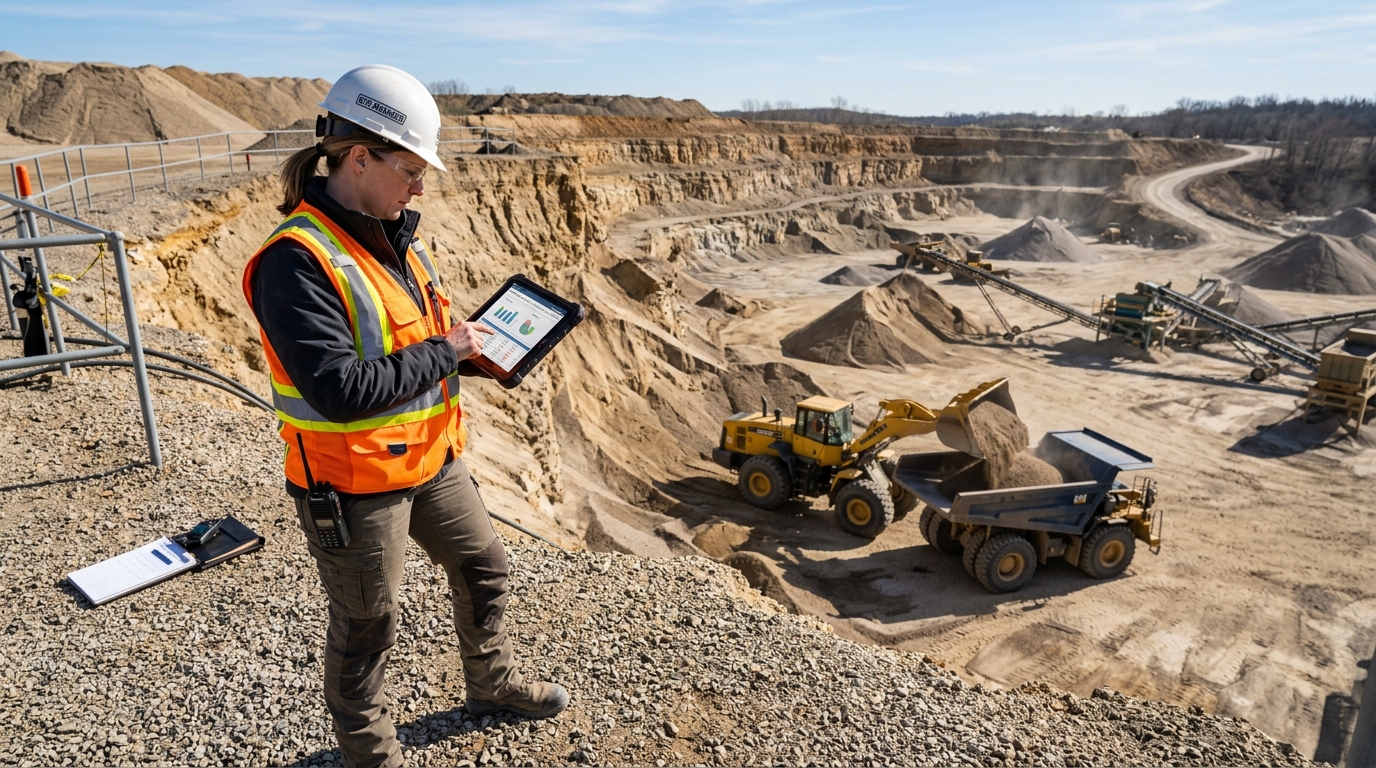
Supplier qualification usually begins with reviewing the borrow source or aggregate operation. Developers consider available reserves, production rates, hauling distance, and previous performance on similar projects. A supplier capable of delivering 500 cubic yards per day may not be suitable for a development requiring several thousand cubic yards daily.
Additional factors commonly evaluated include:
- Material testing history and engineering reports
- Hauling fleet capacity
- Consistent production volumes
- Delivery scheduling capabilities
- Experience supplying large civil or commercial projects
Delivery coordination is equally important. Developers frequently establish daily hauling schedules to prevent material shortages or truck congestion on active jobsites. Missed deliveries can delay grading crews, utility installation, and subsequent construction activities, creating ripple effects across the entire project schedule.
Companies looking to identify qualified material suppliers throughout Texas can explore the BorrowPit Aggregates Marketplace, where contractors and developers can locate available construction materials from suppliers across the state.
Selecting the Right Fill Material for the Project
Not all fill dirt performs the same. Material selection depends on the intended application, geotechnical recommendations, and project specifications.
Common Fill, Select Fill, and Clay Fill
Different fill types serve different construction purposes.
Common Fill is generally used for mass grading, rough site balancing, and non-structural areas where engineering requirements are less restrictive. It is often the most economical option for large earthmoving operations.
Select Fill is higher-quality material meeting specific engineering criteria for moisture content, particle composition, and plasticity. It is commonly used beneath building pads, roadways, and structural embankments where predictable performance is required.
Clay Fill is frequently used where low permeability or embankment stability is needed. However, excessive plasticity can create shrink-swell issues, making laboratory testing essential before use.
Selecting the wrong material can lead to settlement, compaction failures, or additional stabilization costs. Developers therefore work closely with geotechnical consultants before approving a material source.
The Role of the Geotechnical Engineer in Material Approval
Material approval is an engineering decision, not simply a purchasing decision. Before fill is accepted, geotechnical engineers evaluate whether it satisfies the project’s design requirements and applicable construction specifications.
Testing and Approval Before Placement
Representative samples are collected from the proposed borrow source and tested in accordance with recognized engineering standards. Depending on the project, testing may include:
- Particle size distribution (gradation)
- Atterberg Limits (Liquid Limit, Plastic Limit, Plasticity Index)
- Moisture-density relationship (Proctor testing)
- Field density verification during placement
- Moisture content evaluation
These results help determine whether the material can achieve the required compaction and long-term performance.
On public infrastructure projects, testing and approval procedures may also follow requirements established by the Texas Department of Transportation (TxDOT). Contractors can review current specifications through the official TxDOT Standard Specifications webpage.
If testing identifies unsuitable material, developers may need to stabilize the soil, blend it with other materials, or locate a different supplier. Completing this review before hauling begins significantly reduces the risk of project delays.
Efficient Material Sourcing Improves Project Schedules
Reliable procurement is just as important as material quality. Even an approved borrow source can create problems if deliveries fail to keep pace with construction activities.
Using Digital Marketplaces to Find Qualified Suppliers
Many developers now combine traditional supplier relationships with digital marketplaces to locate nearby material more efficiently. Access to multiple suppliers increases flexibility when production schedules change or additional quantities become necessary.
BorrowPit simplifies this process by connecting contractors, developers, and suppliers across Texas. Whether sourcing borrow material for a subdivision, commercial site, or industrial project, developers can quickly identify available suppliers while reducing unnecessary hauling distances. Businesses interested in learning more about the platform can visit the BorrowPit About Us page, while project teams seeking sourcing assistance can contact the team directly through the Contact Us page for project-specific support.
Conclusion
Successfully sourcing fill dirt for large land development projects requires careful planning, supplier qualification, engineering review, and coordinated logistics. Developers must balance material quality, hauling costs, production capacity, and project schedules to keep earthwork operations moving efficiently.
From residential subdivisions in Houston to industrial developments in Dallas-Fort Worth, selecting qualified suppliers and obtaining geotechnical approval early helps reduce risk, control costs, and avoid construction delays. By leveraging experienced suppliers and platforms like BorrowPit, project teams can simplify procurement and connect with reliable material sources throughout Texas.
FAQs
How much fill dirt does a large land development project typically require?
Depending on the project size and grading plan, developments may require anywhere from 20,000 to several hundred thousand cubic yards of fill material.
What is the difference between common fill and select fill?
Common fill is generally used for mass grading, while select fill meets stricter engineering requirements for structural applications such as building pads and roadways.
Who approves fill dirt before construction?
The project’s geotechnical engineer reviews laboratory testing and determines whether the material meets design specifications before placement begins.
How do developers choose fill dirt suppliers?
Developers evaluate production capacity, material quality, hauling distance, testing history, and the supplier’s ability to maintain scheduled deliveries throughout the project.
Where can contractors find bulk fill dirt suppliers in Texas?
Platforms such as BorrowPit help contractors and developers locate qualified suppliers, compare available materials, and connect with borrow pit operators across Texas.