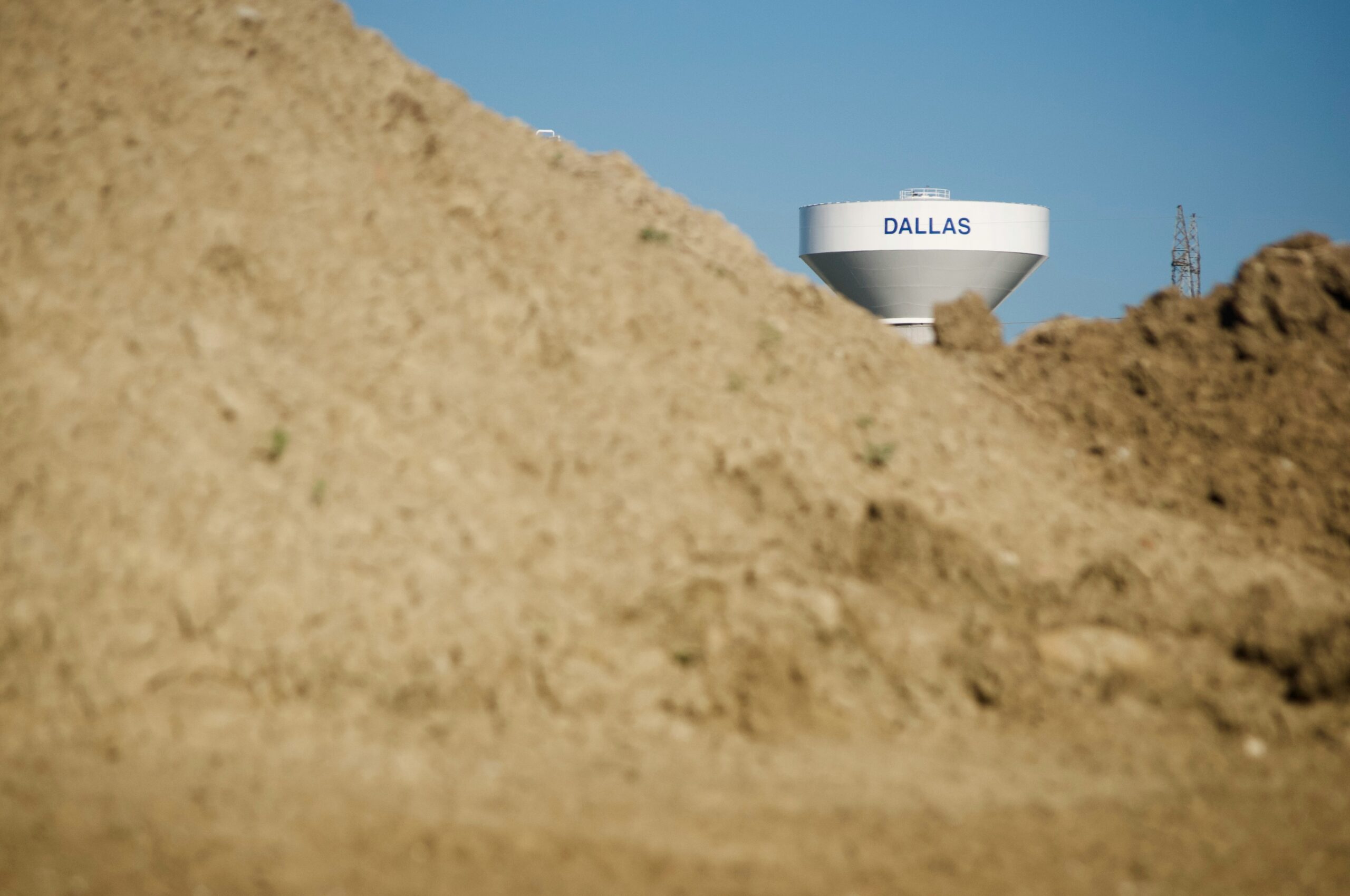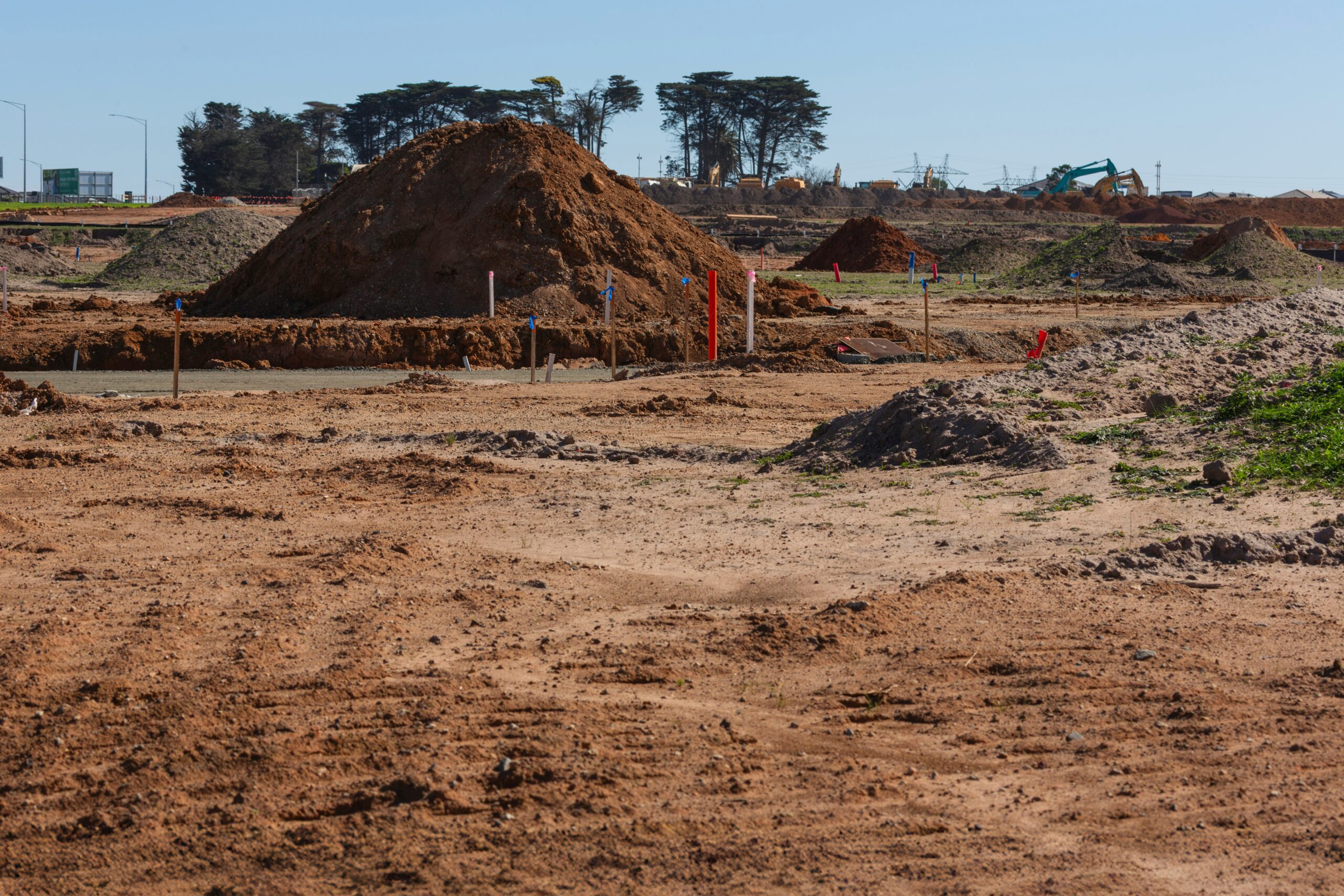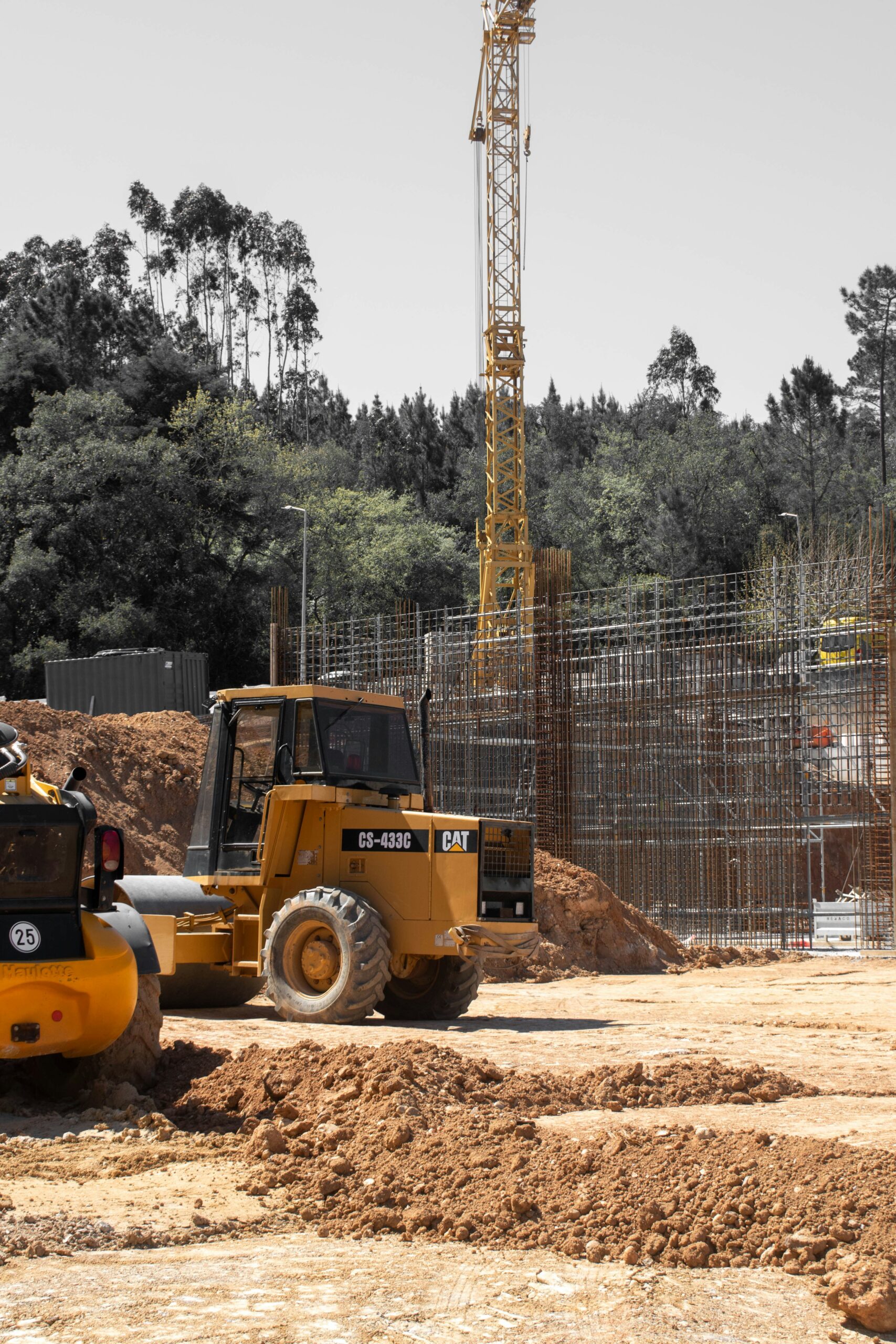
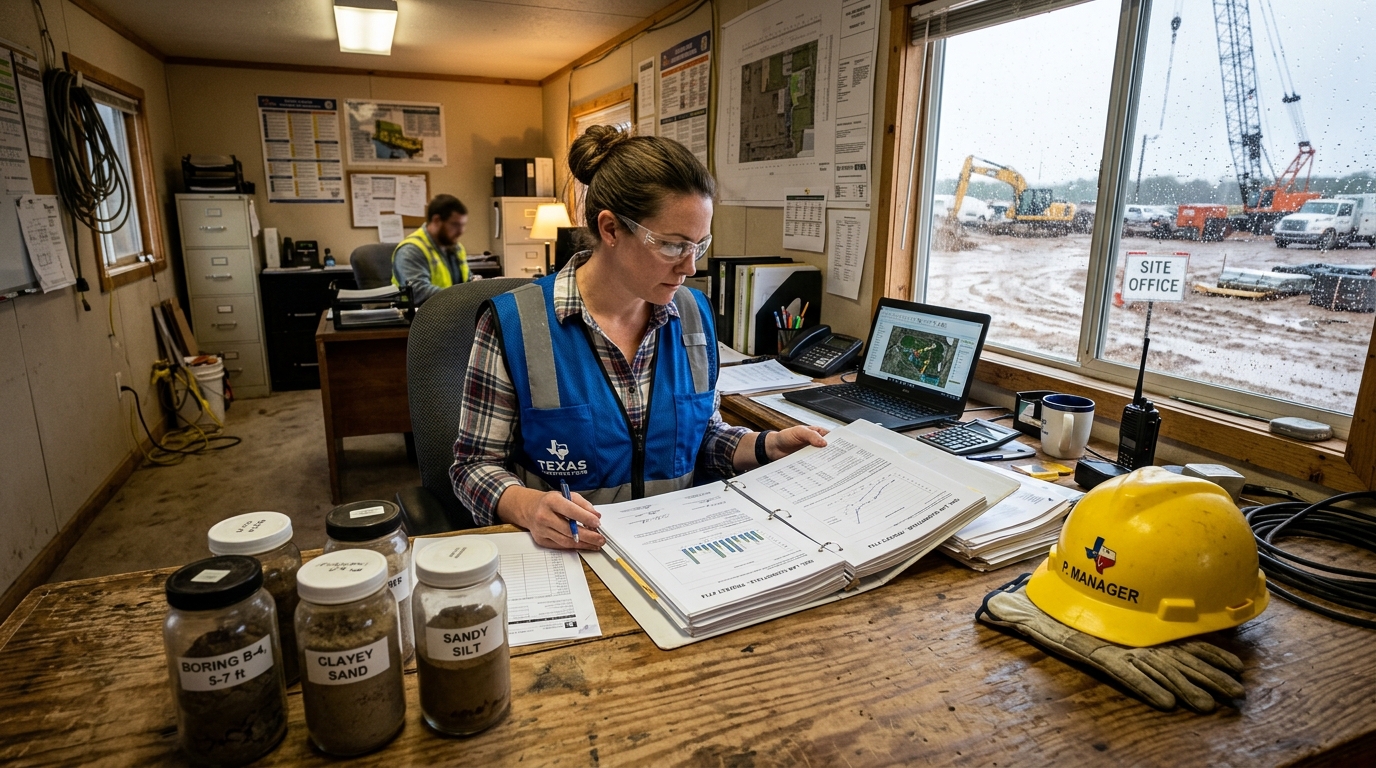
On a rainy Monday morning inside a job-site trailer in Dallas, an excavating contractor receives a red-stamped document from the third-party geotechnical inspector: Submittal Rejected – Retest Required. At the job-site gate, a line of twenty loaded end-dump trucks sits idling, burning fuel and incurring hourly standby fees. Mass earthwork grinds to an immediate halt because nobody verified the soil Plasticity Index before shipping dirt. In commercial civil construction, an incomplete material submittal in construction can freeze an entire multi-million-dollar project before a single foundation footing is poured.
A formal submittal package serves as the legal and engineering bridge between borrow pit excavation and job-site installation. It provides certified laboratory proof that imported fill dirt, select clay, or aggregate meets structural design parameters. Understanding the mechanics of a material submittal in construction enables project managers to process paperwork efficiently, avoid costly demurrage penalties, and protect critical path construction schedules across major commercial and municipal developments.
The Anatomy of a Complete Geotechnical Submittal Package
Geotechnical engineers require standardized laboratory documentation generated under ASTM D2487 guidelines before permitting imported soil placement within structural building envelopes.
Atterberg Limits and Soil Plasticity Reports
The foundation of any soil submittal is the Atterberg limits test report (ASTM D4318), detailing Liquid Limit, Plastic Limit, and Plasticity Index (PI). For structural slab building pads, engineers mandate a controlled Plasticity Index (typically 7 to 20). If soil PI is too high, expansive clay will swell when wet and crack concrete slabs; if PI is too low, un-cohesive material will not compact into a stable mass.
Grain Size Distribution and Mechanical Sieve Curves
Laboratory technicians perform mechanical wash sieve analysis under ASTM C136 to determine particle size distribution. A complete material submittal in construction document includes cumulative gradation curves showing the exact percentages of gravel, sand, silt, and clay passing standard sieve mesh openings down to the No. 200 sieve.
Proctor Moisture-Density Relationship Curves
Field compaction technicians cannot verify soil density without an approved Moisture-Density Proctor curve (ASTM D698 or ASTM D1557). The Proctor curve plots dry density against soil moisture content, establishing the maximum dry density value (in pounds per cubic foot) and the optimum moisture window required during roller compaction.
TxDOT Specification Compliance for Public Works
For public infrastructure and highway projects across Texas, submittals must demonstrate compliance with Texas Department of Transportation standards. This includes verifying soil parameters under TxDOT Item 132 for embankment fill or TxDOT Item 247 for flexible base.
The Chain of Engineering Review and Stamp Approvals
Navigating a material submittal in construction requires following a formal administrative review process across project stakeholders:
Phase 1: Subcontractor and General Contractor Quality Audit
The excavating subcontractor collects lab test sheets from the borrow pit supplier. The general contractor quality control manager audits the paperwork against contract specifications, checking for missing Proctor curves or stale test dates before forwarding the submittal package to the design team.
Phase 2: Geotechnical Consultant Technical Evaluation
The project third-party geotechnical consultant evaluates lab mechanics data against site soil condition reports and foundation load calculations, issuing a formal technical recommendation for each proposed soil source.
Phase 3: Engineer of Record Final Stamp Approval
The lead Engineer of Record reviews the geotechnical evaluation and applies an official engineering stamp: Approved, Approved as Noted, or Revise & Resubmit. A material submittal in construction must carry a clear Approved stamp before any dump truck unloads dirt on site.
The Hidden Financial Consequences of Submittal Rejection
When an engineer issues a Revise & Resubmit action on a soil submittal, financial losses begin accumulating immediately across the job site.
Demurrage Fees and Trucking Standby Expenses
If trucks arrive on site before submittal approval is finalized, field inspectors will turn them away. Dump truck operators charge standby demurrage fees ranging from $85 to $125 per hour per truck while waiting for resolution.
Cascading Delay Impacts on Downstream Subcontractors
A two-week delay in processing a material submittal in construction halts site mass grading, which delays underground utility trenching, rebar placement, concrete slab pours, and structural steel erection. These cascading pushbacks trigger liquidated damage penalties under prime contract agreements.
Undercutting and Material Haul-Off Costs
If un-approved fill dirt is accidentally placed and compacted before submittal review, the engineer will order complete material removal. The contractor must pay for trackhoe undercutting, haul-off trucking, and landfill tipping fees out of pocket.
Proactive Strategies to Prevent Submittal Work Stoppages
Experienced project superintendents implement proactive submittal controls weeks before site mobilization begins:
Establishing Pre-Bid Soil Testing Protocols
Require borrow pit vendors to submit certified lab test reports less than 90 days old during the initial subcontractor bidding phase.
Securing Pre-Approved Secondary Borrow Pit Sources
Submit paperwork for two separate borrow pits simultaneously. Having a pre-approved backup source guarantees continuous dirt deliveries if the primary pit face encounters unexpected rock or high-plasticity clay seams.
Utilizing Verified Online Dirt Platforms
Streamlining material submittals requires working with pre-qualified soil sources. Project managers looking for compliant earthwork materials can evaluate certified pit listings through a construction material marketplace Texas platform like BorrowPit. Using digital platforms allows project teams to search listings near them to inspect lab test reports and pit strata data before placing orders. On-demand access lets contractors with excess certified soil list their excess material online to connect with regional buyers, simplifying dirt logistics and preventing schedule pushbacks.
Final Administrative Takeaway
A material submittal in construction is not just routine paperwork; it is a critical project schedule gatekeeper. By securing certified lab reports early, obtaining secondary pit approvals, and utilizing digital material platforms, project managers protect their critical path timelines and prevent costly job-site work stoppages. Sourcing tested soil through BorrowPit ensures contractors receive engineering-approved material on time across Texas.
Frequently Asked Questions
What is included in a construction material submittal?
A soil submittal package includes supplier pit identification, certified lab test reports (Atterberg limits, sieve analysis, Proctor compaction curves), and compliance statements.
How long does an engineer take to review a soil submittal?
Engineering submittal review typically takes 5 to 10 business days, depending on project specifications and consultant review workloads.
What does Revise and Resubmit mean on a submittal?
Revise and Resubmit means the proposed soil failed engineering specs (e.g., incorrect Plasticity Index or gradation), requiring the contractor to source new material and submit fresh lab reports.
Can fill dirt be delivered before submittal approval?
No, delivering soil before formal submittal approval risks complete material rejection, field work stoppage, and expensive material haul-off fees.
Where can contractors find pre-tested fill dirt suppliers in Texas?
Contractors can locate pre-tested borrow pit suppliers online to review certified lab reports and connect with verified pit operators across Texas.