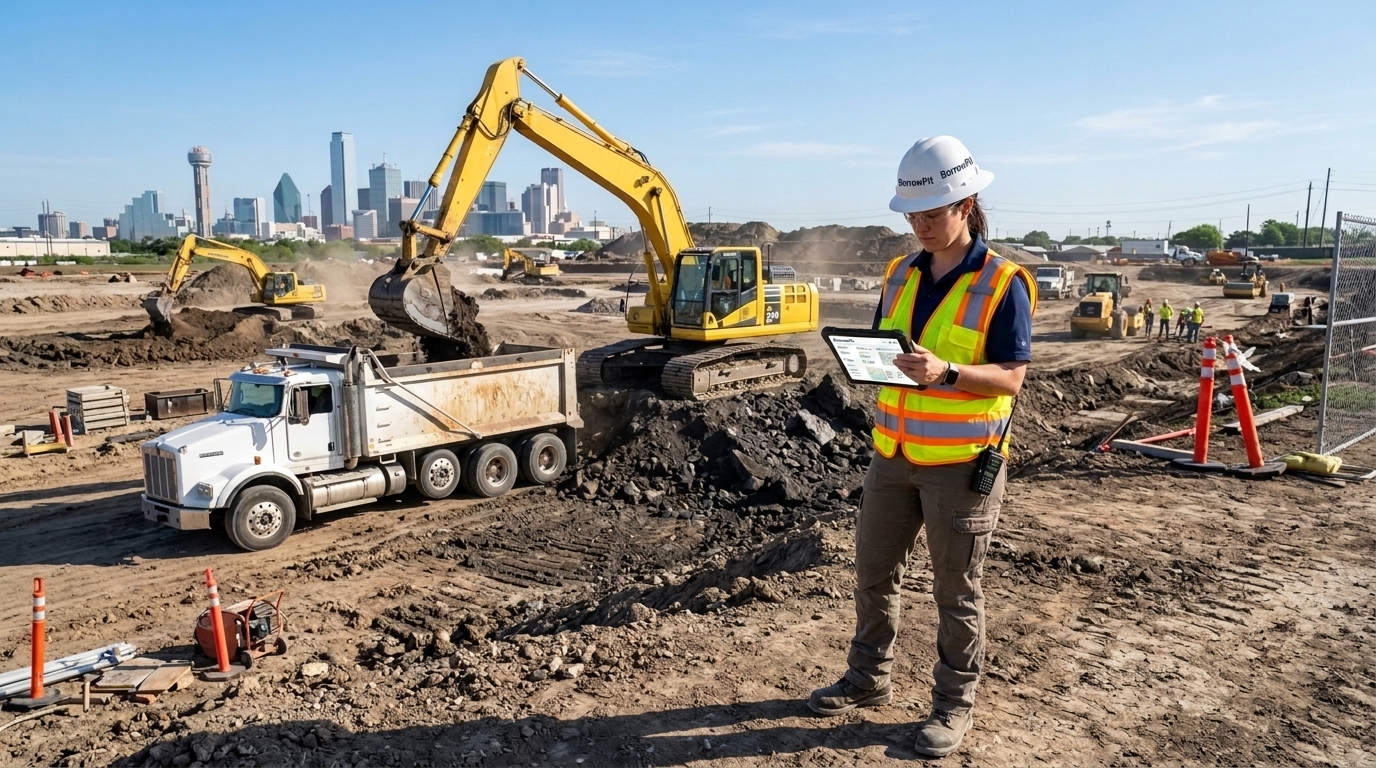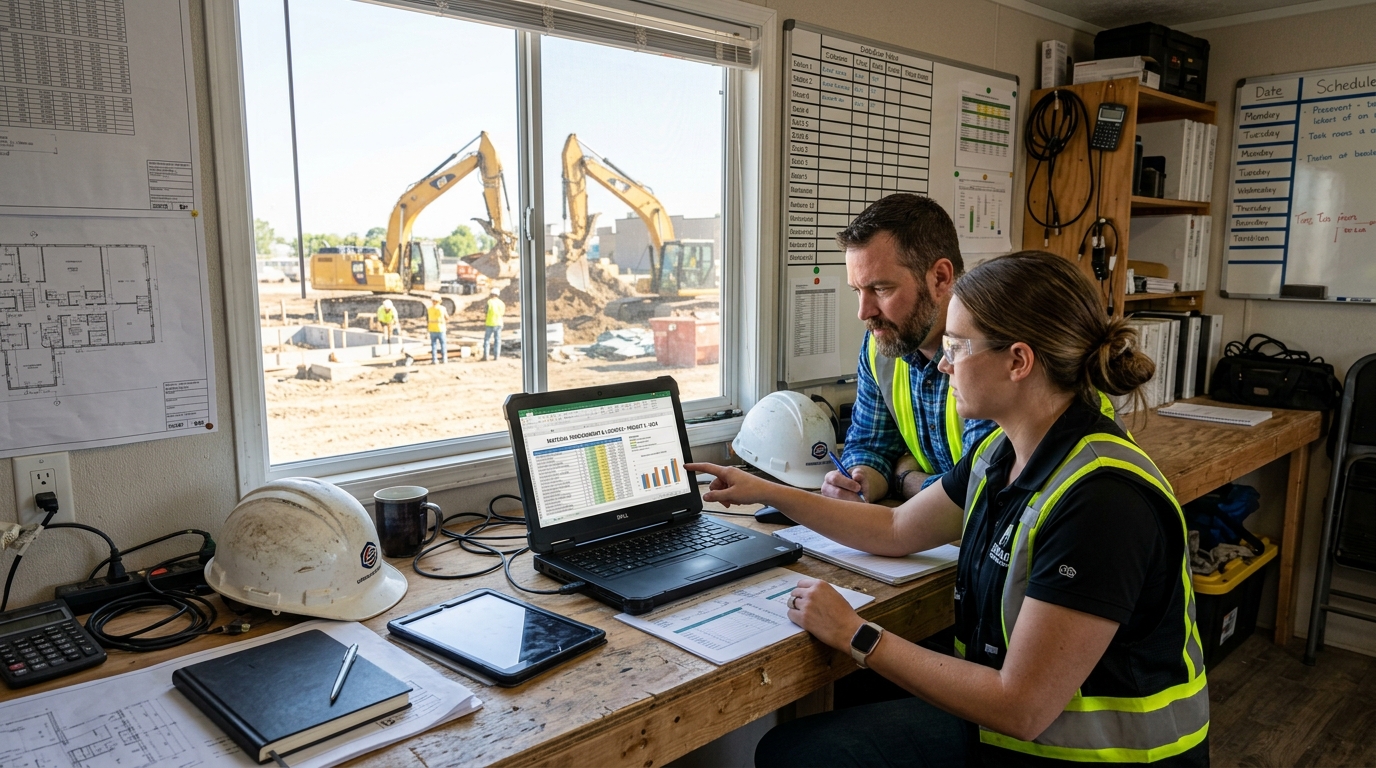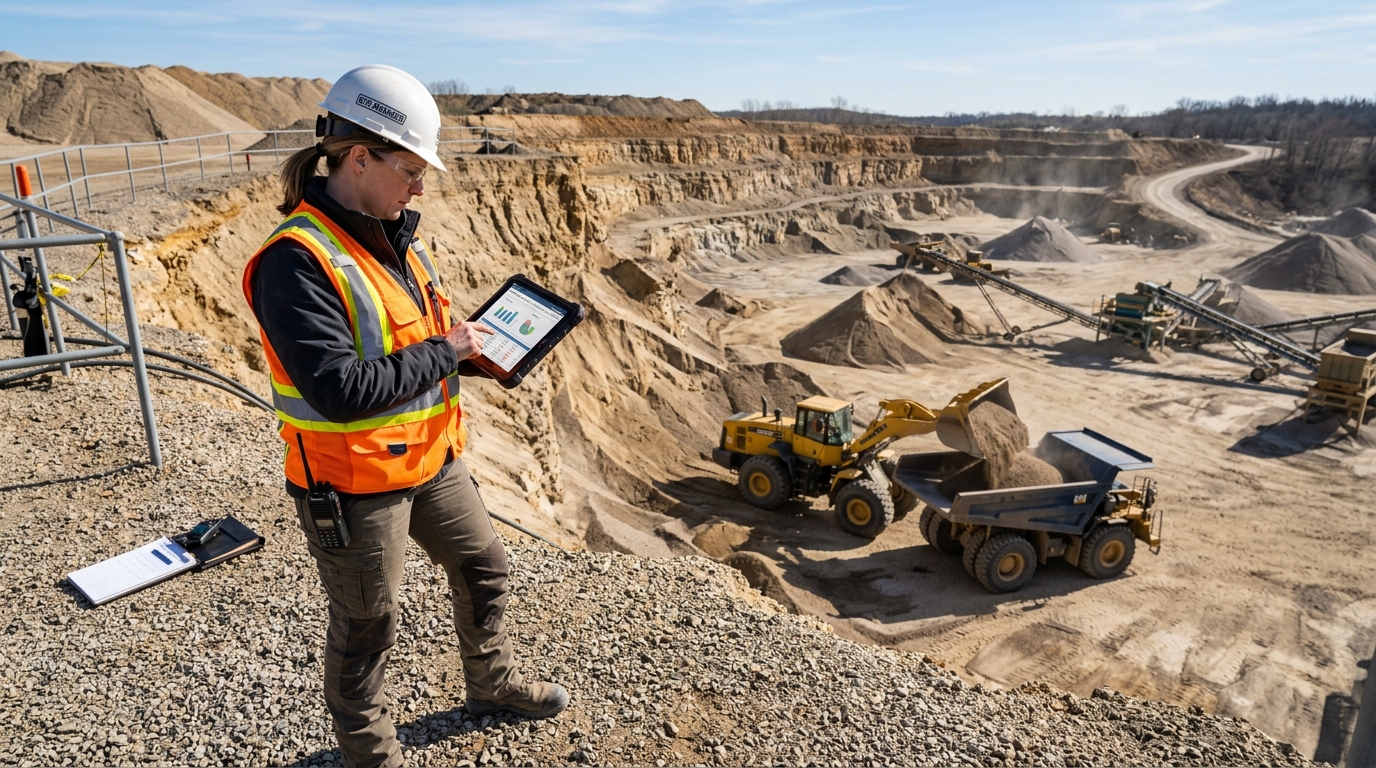
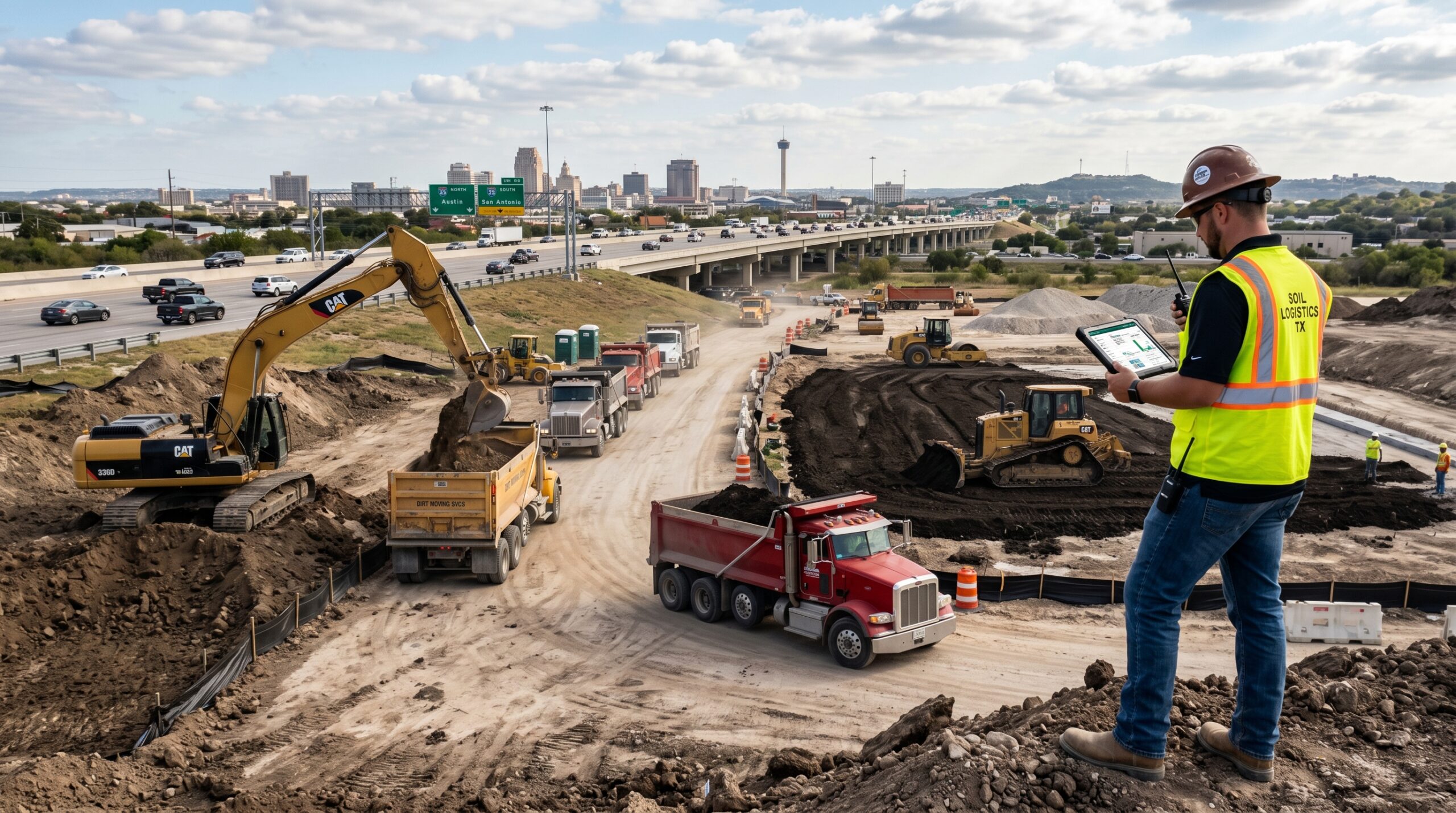
If you’ve spent any time on a Texas job site, you already know one thing, dirt is never just dirt. It’s either something you desperately need or something you’re trying to get rid of fast. That’s exactly where dirt brokering comes into play. Instead of treating excess dirt as waste or scrambling to find fill at the last minute, contractors across Texas are turning to smarter, more connected ways to manage material flow.
From large subdivision builds in Dallas–Fort Worth to highway expansions along Houston’s Beltway 8 and site prep work in Austin and San Antonio, dirt brokering is becoming a key part of modern construction logistics. It connects projects with surplus material to those that need it, cutting costs, reducing hauling, and improving efficiency across the board.
What Dirt Brokering Actually Means on a Texas Job Site
At its core, dirt brokering is about matching supply with demand. One project has excess fill dirt from excavation, while another needs that exact material for grading or elevation. Instead of both sides dealing with disposal costs or sourcing delays, a broker, or platform, connects them.
Connecting Buyers and Sellers of Bulk Dirt
Think of dirt brokering as a marketplace for excavation materials. Contractors, developers, and landowners can either list available dirt or search for what they need. This creates a more fluid system where materials are reused instead of wasted.
For example, a commercial project in Houston clearing land near I-10 might generate thousands of cubic yards of excess dirt. Meanwhile, a residential development in Katy may need fill for lot grading. Through dirt brokering, those two projects can connect directly.
According to the U.S. Environmental Protection Agency, reusing construction materials helps reduce landfill waste and improves overall project sustainability, something that aligns closely with how dirt brokering operates.
Moving Beyond Traditional Sourcing Methods
Traditionally, contractors relied on a small network of suppliers or paid to dump excess dirt. That approach is slow, expensive, and often inefficient. Dirt brokering replaces that with a more dynamic system where availability is constantly updated and accessible.
Instead of making multiple calls or guessing where material might be available, contractors can now quickly identify options across regions like North Texas or South Texas. That shift is why dirt brokering is gaining traction across the state.
How Contractors Use Dirt Brokering to Save Time and Money
The real value of dirt brokering shows up in day-to-day project execution. It’s not just about finding dirt, it’s about doing it faster, cheaper, and with fewer headaches.
Reducing Hauling and Disposal Costs
Hauling is one of the biggest expenses in any earthwork project. The farther material has to travel, the more it costs, simple as that. Dirt brokering helps minimize this by connecting nearby projects.
In fast-growing areas like Frisco, New Braunfels, and McAllen, multiple projects often run simultaneously. This creates opportunities to move dirt locally instead of hauling it long distances. Contractors using dirt brokering can significantly reduce fuel costs, trucking time, and wear on equipment.
The Texas Comptroller of Public Accounts highlights efficient material movement as a key factor in controlling infrastructure costs, something that aligns directly with the benefits of dirt brokering.
Keeping Projects on Schedule
Delays in material sourcing can stall an entire project. Waiting on fill dirt deliveries or dealing with disposal logistics can throw off timelines quickly. With dirt brokering, contractors have faster access to available materials and more flexibility when plans change.
If a project in San Antonio suddenly needs additional fill, a quick search through a marketplace can reveal nearby supply options. That kind of responsiveness is hard to achieve with traditional sourcing methods.
The Role of Digital Platforms in Dirt Brokering
While dirt brokering has been around in some form for years, technology is what’s really pushing it forward. Digital platforms are making the process faster, more transparent, and easier to manage.
Using Online Marketplaces for Dirt Exchange
Platforms like BorrowPit act as centralized hubs for dirt brokering, allowing users to list, search, and connect in real time. Instead of relying on word-of-mouth or outdated contacts, contractors can access a broader network of buyers and sellers.
You can explore how the platform works on the About page or reach out directly through the Contact page. If you’re looking for available material, check the dirt listings category to see what’s currently on the market.
This digital approach is transforming dirt brokering into a more scalable and efficient solution for Texas construction projects.
Improving Visibility and Material Matching
One of the biggest challenges in construction supply is visibility, knowing what’s available and where. Dirt brokering platforms solve this by providing real-time listings with details on location, volume, and material type.
This makes it easier to match the right material with the right project, reducing waste and improving overall efficiency.
Why Dirt Brokering Is Growing Across Texas Cities
Texas is one of the fastest-growing construction markets in the country. With that growth comes increased demand for smarter sourcing solutions and dirt brokering fits right into that need.
Supporting Rapid Urban Development
Cities like Dallas, Houston, Austin, and San Antonio are expanding rapidly. New subdivisions, commercial developments, and infrastructure projects all require massive amounts of earthwork.
At the same time, these projects generate surplus material. Dirt brokering helps balance this supply and demand, ensuring that excess dirt from one site becomes a resource for another.
Adapting to Modern Construction Challenges
Rising fuel costs, tighter timelines, and environmental considerations are all pushing contractors to rethink how they manage materials. Dirt brokering offers a practical solution that addresses all three.
By reducing hauling distances, improving sourcing speed, and promoting material reuse, it’s becoming an essential part of the construction supply chain in Texas.
Final Thoughts
The way contractors handle dirt is changing and for good reason. Dirt brokering is turning what used to be a logistical challenge into an opportunity for cost savings, efficiency, and sustainability.
Whether you’re working on a large-scale development in DFW or a smaller project in South Texas, understanding how dirt brokering works can give you a real advantage. It’s not just about moving dirt; it’s about moving it smarter.
If you’re looking to streamline your sourcing, you can search listings near you to find available material or list your material to connect with contractors across Texas who need it.
FAQs
What is dirt brokering in construction?
It’s the process of connecting projects with excess dirt to those that need fill material, often through a marketplace or broker.
How does dirt brokering save money?
It reduces hauling distance and disposal costs while providing access to more affordable material sources.
Who uses dirt brokering in Texas?
Contractors, developers, and landowners involved in excavation and site development projects.
Is dirt brokering better than traditional sourcing?
In many cases, yes, it offers faster access, better pricing options, and improved efficiency.
Where can I find dirt brokering services in Texas?
Platforms like BorrowPit provide a centralized way to buy, sell, and connect with material suppliers.