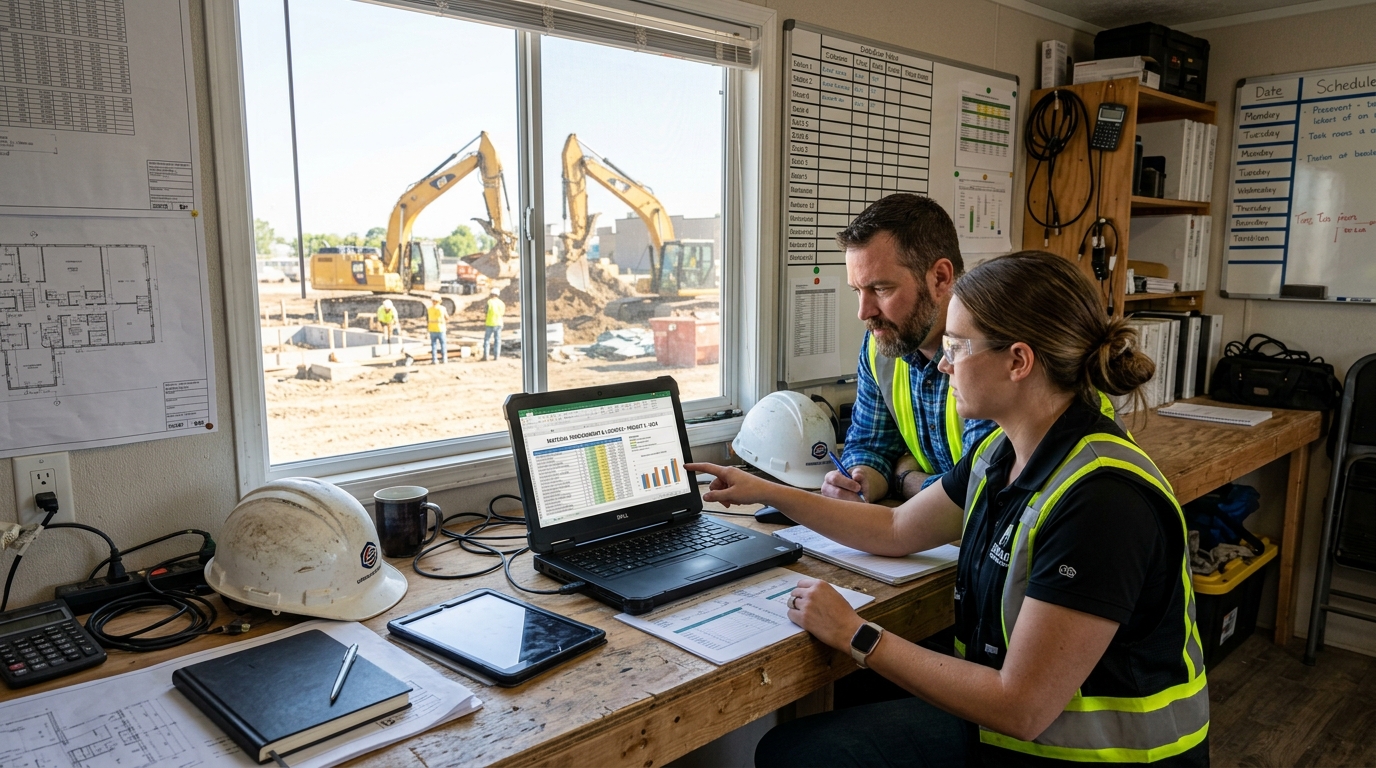

Houston’s construction landscape moves fast. From large-scale developments along I-10 to residential expansion in Katy and infrastructure work near Beltway 8, contractors are constantly balancing timelines, budgets, and logistics. In this environment, improving material sourcing efficiency in Houston becomes a key factor in keeping projects on track.
The challenge isn’t just finding materials, it’s managing how those materials are sourced, delivered, and coordinated across job sites. With high demand for fill dirt, aggregates, and base materials, even small inefficiencies can lead to delays or increased costs. That’s why contractors are focusing more on refining their construction material sourcing in Houston strategies rather than relying on outdated procurement methods.
Why Material Sourcing Efficiency Matters in Houston Construction
Material sourcing plays a central role in overall project performance. In a city as large and active as Houston, sourcing decisions directly affect timelines, labor productivity, and cost control. Contractors who optimize their sourcing processes are better equipped to handle the scale and complexity of local construction demands.
High Demand Across Expanding Job Sites
Houston continues to see steady growth across residential, commercial, and industrial sectors. According to the Greater Houston Partnership, population and business expansion continue to drive construction activity across the region. This creates consistent demand for bulk materials in Houston TX, especially in rapidly developing areas like The Woodlands, Sugar Land, and Cypress.
As demand increases, the construction supply chain in Houston becomes more competitive. Contractors who lack visibility into available materials often face delays or higher costs due to limited sourcing options.
The Impact of Distance and Traffic on Costs
Houston’s size adds another layer of complexity. Transporting materials across the metro area can be time-consuming, especially with traffic congestion along major corridors like US-59 and I-45. A supplier located farther away may offer lower pricing, but transportation costs can quickly offset those savings.
This is why improving material sourcing efficiency in Houston often starts with reducing hauling distances and focusing on smarter logistics.
Using Local Suppliers to Improve Efficiency
One of the most effective ways to improve sourcing efficiency is by prioritizing local suppliers. While this approach may seem straightforward, it has a significant impact on cost, delivery speed, and overall coordination.
Benefits of Local Sourcing in Houston
Working with nearby suppliers allows contractors to reduce transportation costs and improve delivery reliability. Shorter distances mean fewer delays and better alignment with job site schedules.
For example, a development project in Katy sourcing fill dirt locally can avoid the complications of long-distance hauling, especially during peak traffic hours. This approach supports local sourcing benefits while improving overall efficiency.
The U.S. Environmental Protection Agency also highlights how reducing transportation distances contributes to lower emissions and improved operational performance.
Finding Nearby Materials with Better Visibility
One of the biggest challenges contractors face is knowing what materials are available nearby. Traditional sourcing methods often rely on phone calls and limited networks, which can slow down decision-making.
Digital platforms are helping solve this issue. Through BorrowPit’s listings category, contractors can explore available materials based on location, making it easier to connect with nearby suppliers and improve sourcing construction materials in Houston.
Optimizing Procurement and Vendor Management
Improving efficiency also requires a structured approach to procurement. Contractors who plan ahead and manage suppliers effectively are better positioned to avoid delays and control costs.
Planning Material Needs in Advance
Strong procurement strategy starts early in the project lifecycle. Contractors estimate material quantities, plan delivery schedules, and align sourcing with construction phases. This reduces the need for last-minute orders, which often come at a higher cost.
For instance, a project near Highway 290 can avoid supply disruptions by securing aggregate deliveries before excavation begins. This kind of planning supports better cost reduction strategies and improves workflow consistency.
Selecting Reliable Suppliers
Vendor selection is equally important. Not all bulk material suppliers in Houston offer the same level of service or reliability. Contractors often evaluate suppliers based on proximity, availability, pricing, and delivery performance.
Platforms like BorrowPit, outlined on their About page, provide a clearer view of available suppliers and help streamline vendor management. By improving visibility, contractors can make faster and more informed sourcing decisions.
Improving Logistics and Delivery Coordination
Even with strong procurement planning, poor logistics can disrupt an entire project. In Houston, where job sites are spread across a large area, efficient coordination is essential for maintaining progress.
Coordinating Deliveries with Project Timelines
Contractors improve efficiency by aligning deliveries with construction phases instead of ordering materials all at once. This ensures materials arrive when needed, reducing storage challenges and minimizing delays.
For example, on a commercial project near the Houston Ship Channel, poorly timed deliveries can create congestion and slow down operations. Proper scheduling helps maintain a steady workflow and keeps crews productive.
Reducing Transportation Waste
Transportation remains one of the largest expenses in material sourcing efficiency in Houston. Long-distance hauling, inefficient routes, and underutilized truckloads all contribute to higher costs.
By focusing on logistics planning and optimizing load efficiency, contractors can significantly reduce expenses. Sourcing materials from nearby locations also plays a key role in improving delivery performance.
For coordination and supplier communication, platforms like BorrowPit’s contact page provide a more direct and efficient way to manage logistics compared to traditional methods.
Leveraging Digital Marketplaces for Smarter Sourcing
The shift toward digital tools is reshaping how contractors approach construction material sourcing in Houston. Instead of relying solely on traditional networks, many are turning to online platforms for better visibility and control.
Connecting Supply and Demand in Real Time
Digital marketplaces allow contractors to access real-time listings, compare options, and connect directly with suppliers. This creates a more flexible sourcing process and reduces the time spent searching for materials.
For example, an excavation project in Sugar Land with excess dirt can connect with a nearby development that needs fill. This reduces hauling distances and improves overall efficiency.
This approach supports supply chain optimization and is becoming a core part of modern construction supply strategies in Houston.
Local Insights: Houston Construction and Material Demand
Houston’s construction needs vary by region, which makes localized sourcing strategies essential.
West Houston and Katy Growth
Rapid expansion in Katy and along I-10 continues to drive demand for fill dirt and base materials.
Inner Loop and Urban Development
Projects closer to downtown require careful delivery coordination due to limited space and higher congestion.
Port Houston and Industrial Zones
Industrial projects near the port demand large volumes of aggregates, making proximity to suppliers a key factor in cost control.
Understanding these regional differences helps contractors refine their material sourcing efficiency in Houston.
Final Thoughts
Improving material sourcing efficiency in Houston comes down to a few key principles: prioritize local suppliers, plan ahead, optimize logistics, and use digital tools to streamline the process.
Contractors who adopt these strategies can reduce costs, avoid delays, and improve overall project performance. In a competitive market like Houston, that efficiency can make all the difference.
If you’re ready to improve your sourcing process, you can search listings near you or list your material to connect with active buyers and suppliers across Houston.
FAQs
How can I improve material sourcing efficiency in Houston?
Focus on local suppliers, plan procurement early, and use digital platforms to access real-time material availability.
Where can I find bulk material suppliers in Houston?
You can use online marketplaces or connect with local suppliers through construction networks.
Is local sourcing better for Houston projects?
Yes, it reduces transportation costs, improves delivery times, and minimizes delays.
What materials are commonly used in Houston construction?
Fill dirt, aggregates, and base materials are widely used due to ongoing development.
Can contractors sell excess materials?
Yes, many platforms allow contractors to list surplus materials and connect with buyers.