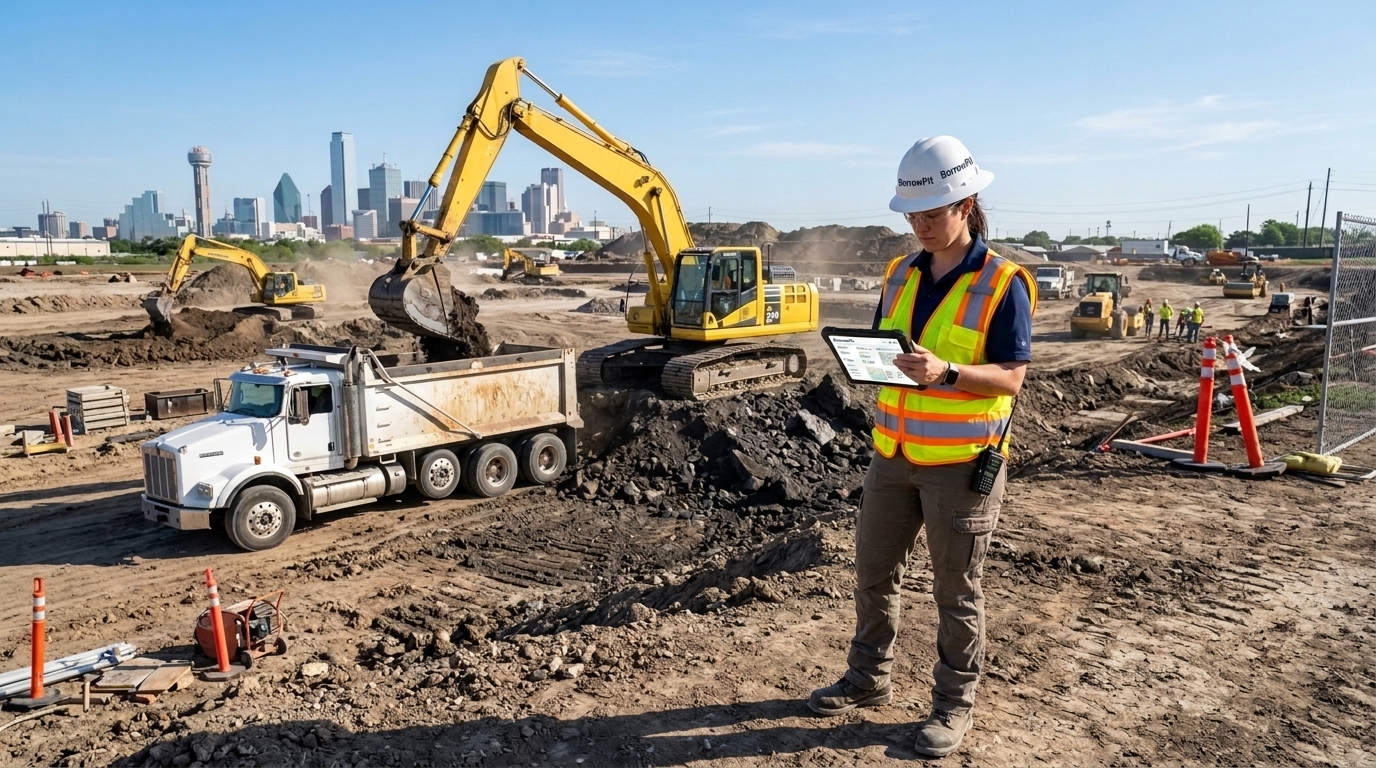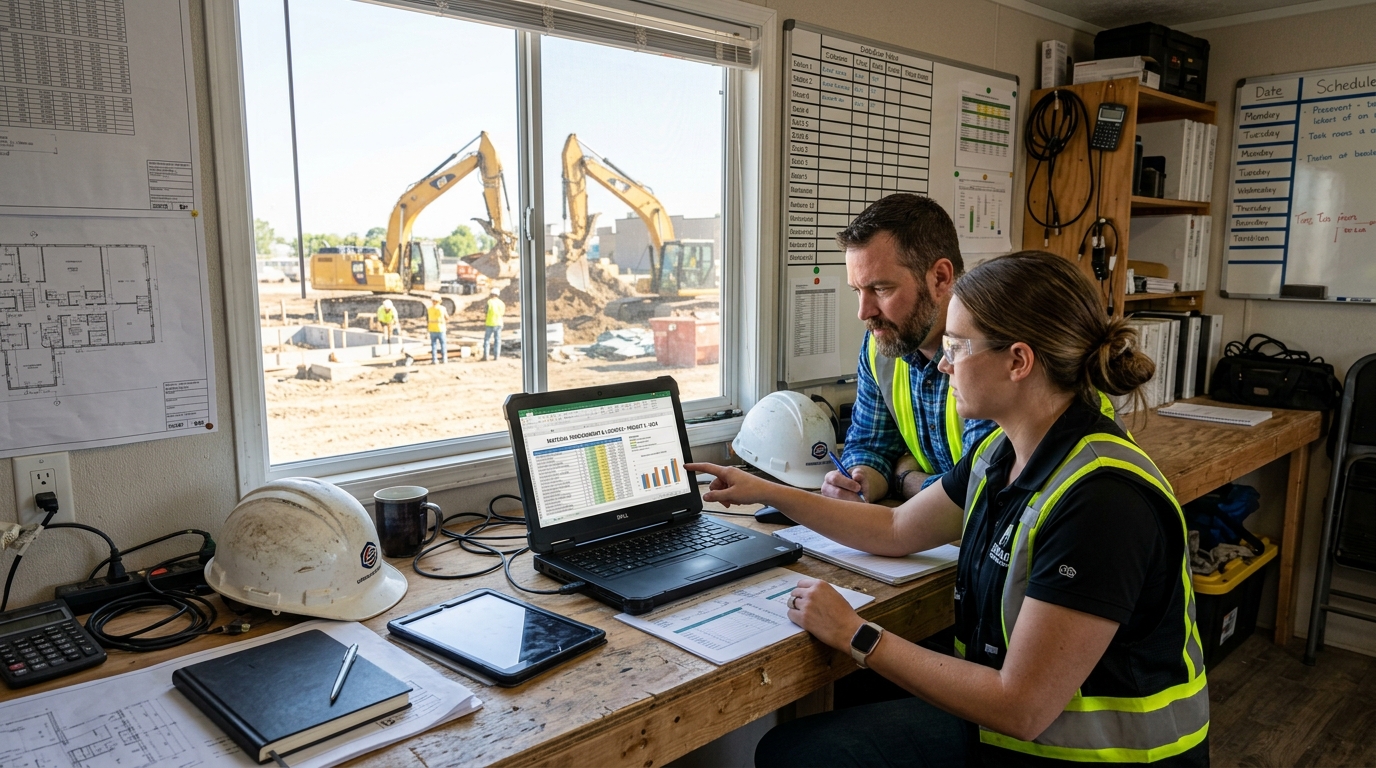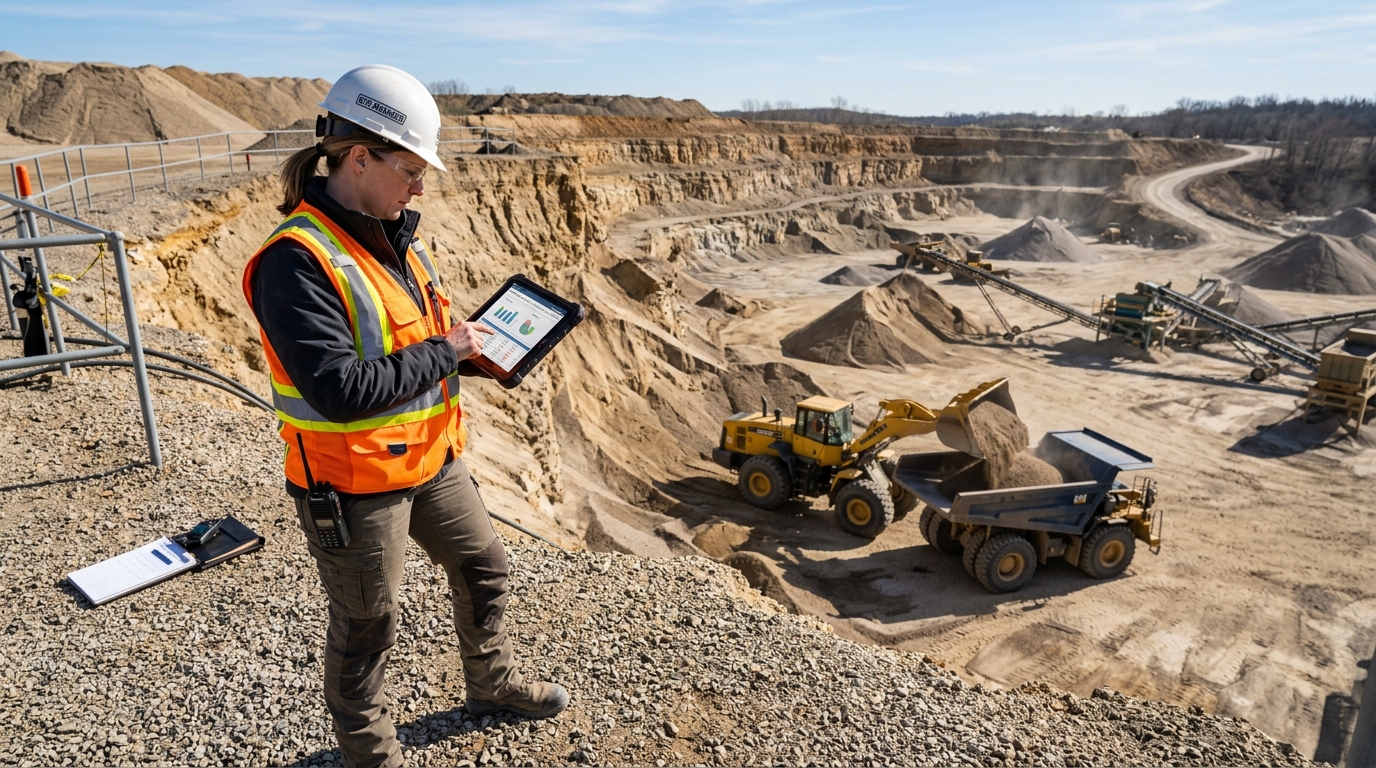
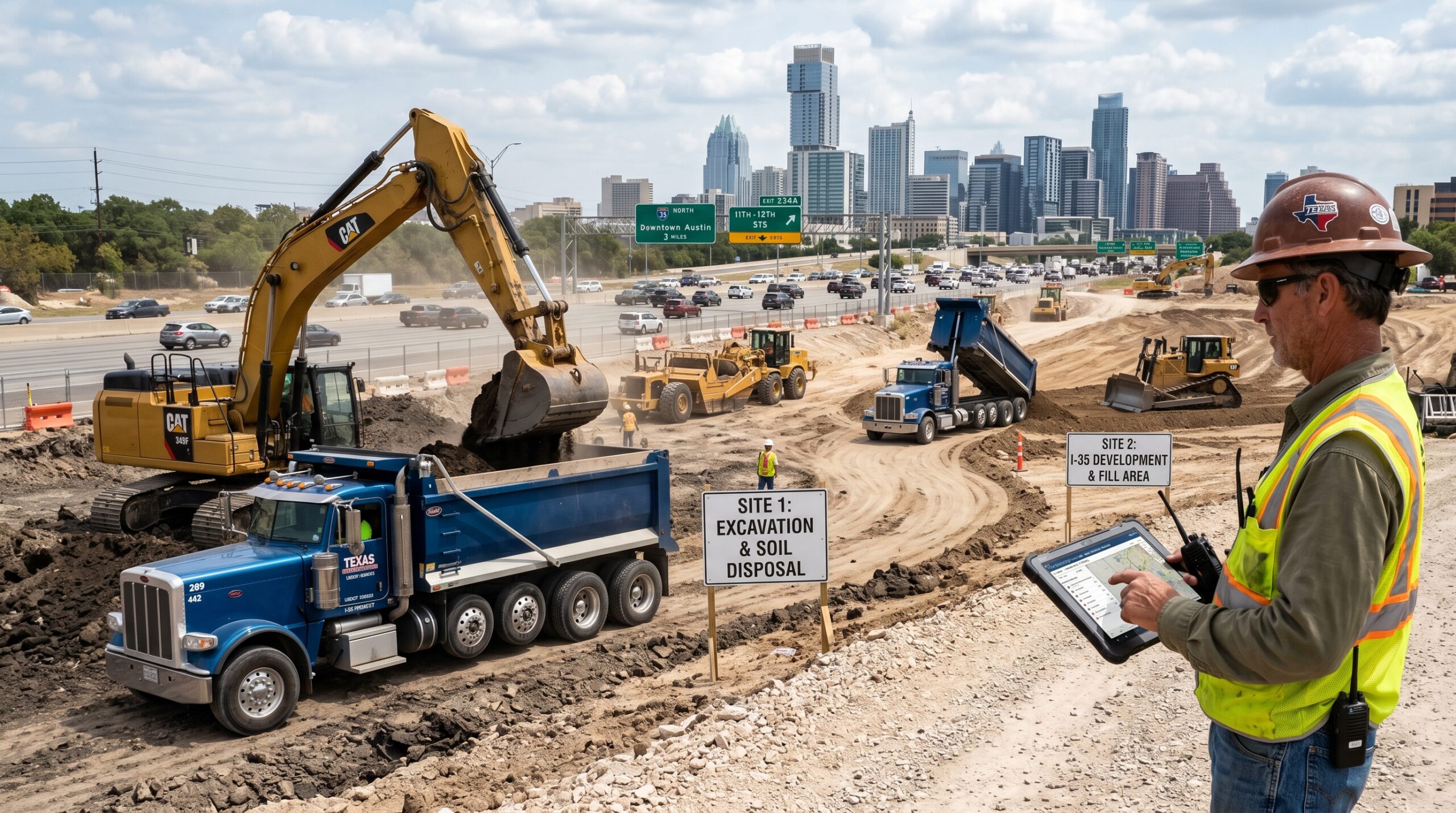
In a state as large and fast-growing as Texas, having well-defined material sourcing strategies for Texas construction projects is no longer optional, it’s a necessity. Whether you’re working on a subdivision in Frisco, a commercial build in Houston, or an infrastructure project along I-35, sourcing materials efficiently can directly impact your timeline and overall costs.
Construction in Texas operates at scale. With constant development across Dallas–Fort Worth, Austin, and San Antonio, demand for materials like fill dirt, aggregates, and base is always shifting. Contractors who rely on outdated sourcing methods often face delays, higher transportation costs, and limited supplier options. That’s why modern construction material sourcing in Texas is evolving toward smarter, more connected systems.
How Material Sourcing Impacts Texas Construction Projects
Material sourcing is more than just procurement, it’s a critical part of construction project management. The way materials are sourced influences scheduling, labor productivity, and overall efficiency. In Texas, where distances are large and demand is high, even small sourcing mistakes can lead to major setbacks.
The Role of Timing, Location, and Cost
For contractors, timing is everything. Materials arriving too late can halt progress, while early deliveries can create storage and handling challenges. That’s why material sourcing strategies for Texas construction projects must align closely with project timelines.
Location also plays a major role. Transporting bulk aggregates in Texas over long distances increases fuel costs and adds logistical complexity. According to the Texas Department of Transportation, ongoing infrastructure expansion continues to drive demand for construction materials across major corridors like I-10 and I-35.
Cost ties everything together. It’s not just about the price per ton, it’s about total delivered cost. Contractors who understand this can make smarter sourcing decisions that reduce overall expenses.
Local vs Long-Distance Material Sourcing in Texas
Choosing between local and long-distance sourcing is one of the most important decisions contractors make. While distant suppliers may appear cheaper upfront, the true cost often tells a different story once transportation is factored in.
Why Local Sourcing Often Wins
Local sourcing has become a key part of construction supply strategies in Texas. By working with nearby suppliers, contractors can reduce hauling distances, improve delivery times, and minimize risks associated with delays.
For example, a project in San Antonio sourcing fill dirt from a site 70 miles away may face significantly higher trucking costs compared to sourcing locally. The Federal Highway Administration highlights that reducing hauling distances improves both efficiency and environmental impact.
Platforms like BorrowPit simplify this process by allowing contractors to explore nearby options. This makes it easier to identify local suppliers and avoid unnecessary transportation costs.
How Contractors Source Bulk Materials Efficiently in Texas
Efficient sourcing doesn’t happen by chance, it’s built on planning, flexibility, and the right tools. Contractors who manage large-scale projects understand that sourcing must be proactive, not reactive.
Planning Ahead for Material Needs
Successful contractors start with detailed procurement planning. They estimate material quantities, schedule deliveries in phases, and align sourcing with construction timelines. This reduces last-minute decisions that often lead to higher costs.
This approach supports cost reduction strategies by ensuring materials are available when needed without overordering or rushing deliveries.
Using Multiple Suppliers for Flexibility
Relying on a single supplier can create bottlenecks, especially in high-demand areas like Dallas–Fort Worth. Contractors often diversify their supplier base to ensure consistent availability.
This flexibility strengthens bulk material sourcing in Texas, allowing projects to continue even if one supplier faces delays or shortages.
Leveraging Digital Marketplaces
Digital platforms are transforming sourcing construction materials in Texas. Instead of relying on phone calls and limited networks, contractors can now access real-time listings and connect directly with suppliers.
BorrowPit, explained further on their About page, helps improve supply chain optimization by connecting buyers and sellers in one place. This reduces friction and speeds up decision-making.
Improving Logistics and Delivery Efficiency
Even the best sourcing strategy can fail without proper logistics. In Texas, where projects can span large areas, efficient delivery coordination is critical.
Coordinating Deliveries with Project Timelines
Contractors improve efficiency by aligning deliveries with construction phases. This ensures materials arrive exactly when needed, avoiding delays or storage issues.
For example, on a highway project along I-35 near Austin, mistimed deliveries can disrupt workflows and increase costs. Proper coordination keeps everything running smoothly.
Reducing Transportation Waste
Transportation is one of the biggest cost factors in material sourcing strategies for Texas construction projects. Optimizing truckloads and minimizing unnecessary trips can significantly reduce expenses.
By focusing on logistics coordination, contractors improve delivery efficiency and reduce fuel consumption.
For real-time coordination, platforms like BorrowPit’s contact page allow contractors to connect directly with suppliers and manage logistics more effectively.
Using Digital Marketplaces for Smarter Sourcing
The construction industry is shifting toward digital solutions, and Texas is no exception. Contractors are increasingly using online platforms to streamline sourcing and improve efficiency.
Connecting Supply with Demand in Real Time
Digital marketplaces allow contractors to find materials near their job sites, compare pricing, and connect with suppliers instantly. This creates a more dynamic and efficient sourcing process.
For example, a site in Austin generating excess dirt can connect with a nearby project needing fill. This reduces hauling distances and improves overall efficiency.
This approach is becoming central to cost-effective sourcing strategies for construction materials, helping contractors reduce waste and optimize resources.
Local Insights: Texas Cities and Material Demand
Material demand varies across Texas, making local knowledge essential for effective sourcing. Understanding regional trends helps contractors plan more effectively.
Dallas–Fort Worth Expansion
Rapid growth in areas like Plano, McKinney, and Fort Worth continues to drive demand for fill dirt and aggregates. Large-scale developments require efficient sourcing to stay on schedule.
Houston’s Floodplain Requirements
Houston projects often require additional fill to meet elevation standards, particularly near Beltway 8 and I-10. This creates consistent demand for suitable materials.
Austin and San Antonio Growth Corridors
Development along SH 130 and expansion toward New Braunfels are increasing demand for construction materials, making sourcing strategies even more important.
Final Thoughts
Strong material sourcing strategies for Texas construction projects are built on planning, local sourcing, and efficient logistics. Contractors who adopt these approaches can reduce costs, avoid delays, and improve overall project performance.
As Texas continues to grow, sourcing will play an even bigger role in construction success. Those who embrace smarter strategies and digital tools will have a clear advantage.
If you’re ready to streamline your sourcing process, you can search listings near you or list your material to connect with active buyers and suppliers across Texas.
FAQs
What are the best material sourcing strategies for Texas construction projects?
They include local sourcing, early procurement planning, and using digital platforms to connect with suppliers efficiently.
How can contractors source construction materials efficiently in Texas?
By prioritizing nearby suppliers, optimizing logistics, and using marketplaces for real-time availability.
Is local sourcing better than long-distance sourcing in Texas?
Yes, in most cases. It reduces transportation costs, delivery time, and project delays.
Where can I find bulk material suppliers in Texas?
Online marketplaces and local supplier networks are the most effective options.
Can contractors sell excess materials?
Yes, platforms like BorrowPit allow contractors to list surplus materials and connect with buyers.