Earthwork superintendents, site developers, excavating contractors, and quarry pit managers across Texas routinely generate and haul various un-classified soil mixtures during mass site clearing and excavation. When stripping the upper layers of a borrow pit or commercial development site, earthwork crews excavate a natural mixture of surface topsoil, weathered subsoil, fine clay, sand, and small rock fragments. Understanding how scrapings material in construction is classified, tested, and applied helps project managers utilize low-cost fill for non-structural grading while maintaining strict site budget controls across large-scale builds.
While pit scrapings lack the certified, uniform engineering specifications of imported select fill, they offer substantial financial advantages for bulk earthwork filling. Evaluating scrapings material in construction projects allows civil engineering teams and site superintendents to reduce import costs while keeping site prep operations moving efficiently on schedule across commercial, industrial, and residential developments.
Defining Scrapings Material and Its Pit Origin
In civil earthwork and quarry operations, scrapings refer to the overburden soil layer stripped from the surface before reaching deeper commercial aggregate deposits or clean clay seams.
Pit Stripping Overburden vs. Site Clearing Scrapings
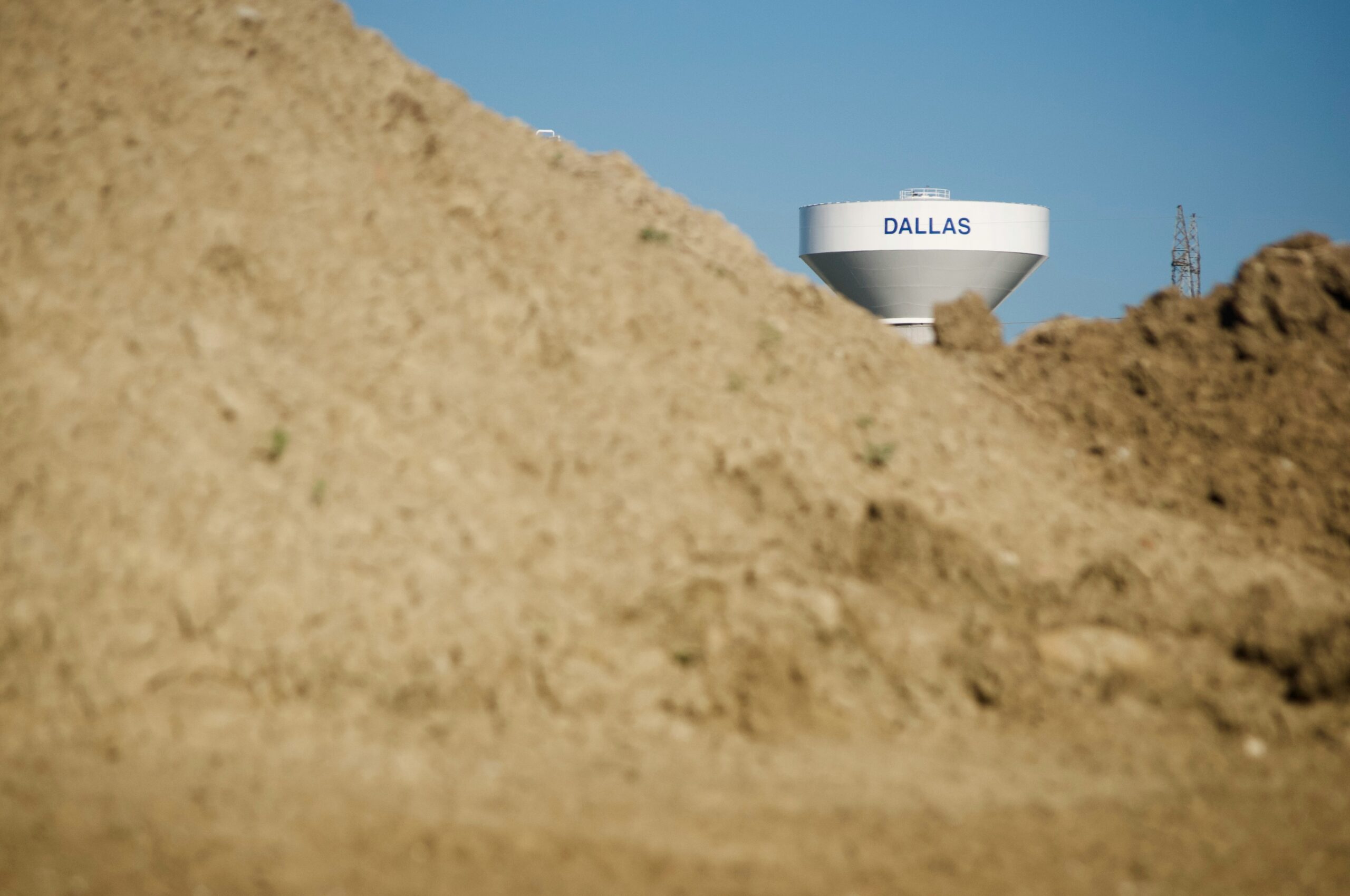
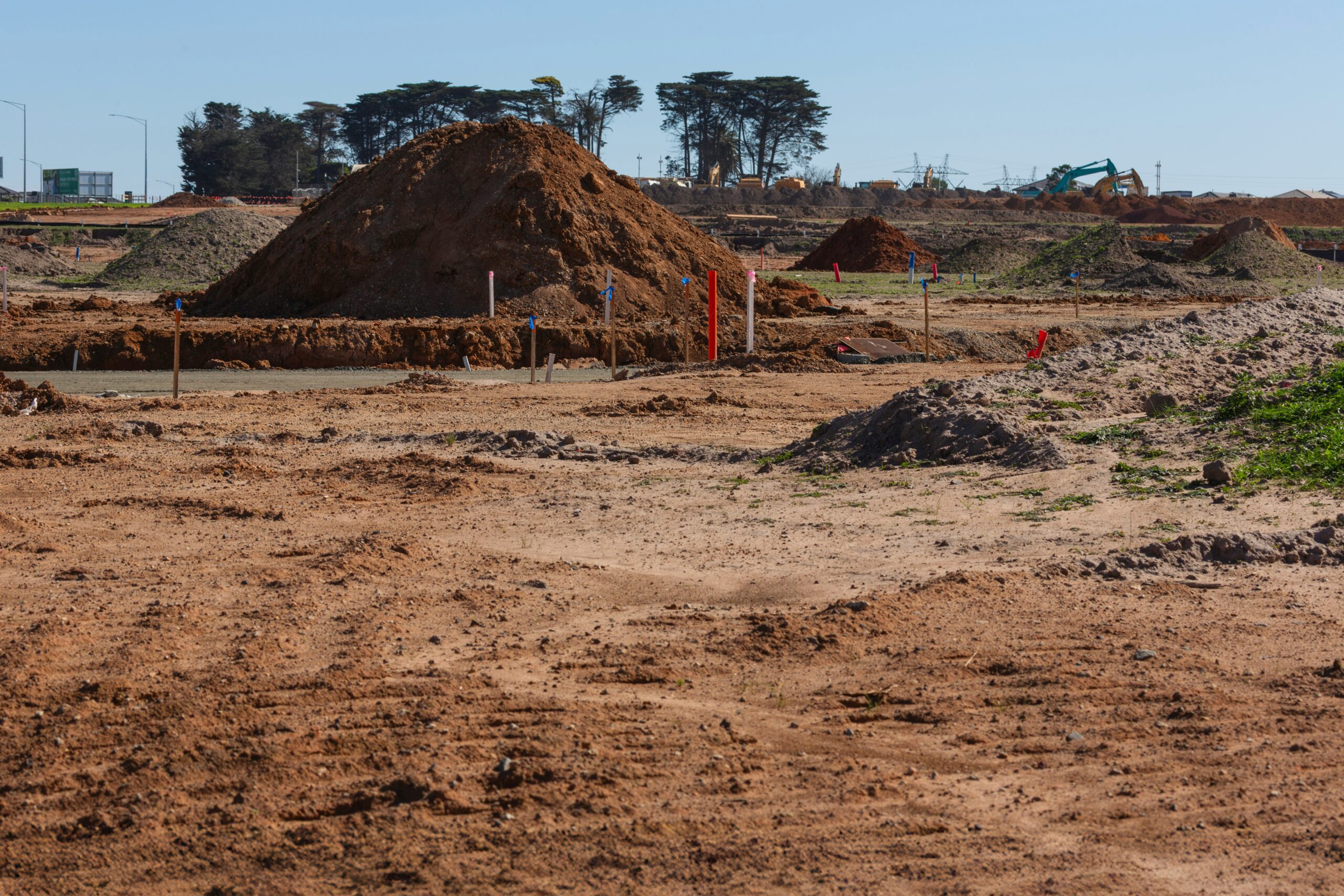
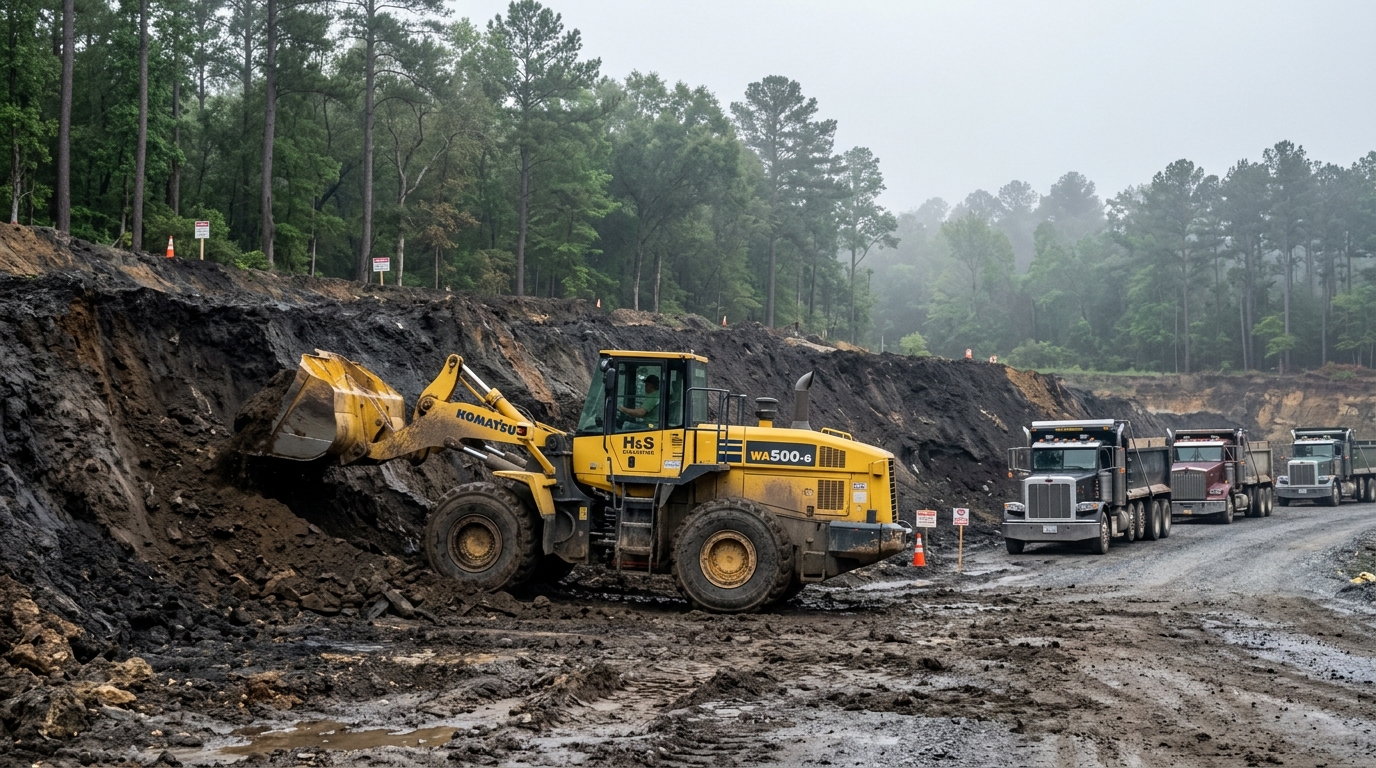
Commercial borrow pits use heavy tractor scrapers, excavators, and bulldozers to strip the top 1 to 4 feet of overburden soil. This upper layer contains a natural mixture of organic topsoil, decomposed vegetation, weathered clay, sand pockets, and gravel fragments. Similarly, when civil contractors clear greenfield sites in Dallas or Houston, stripping surface vegetation produces massive stockpiles of un-classified site scrapings.
Geotechnical Soil Mechanics and Classification
Under ASTM D2487 standards, soil testing classifies scrapings as un-classified mixed fill, typically falling into the CL-ML (silty clay), SM (sandy silt), or SC (sandy clay) categories. Because this material originates near the natural ground surface, particle composition varies depending on local geography and excavation depth.
Typical Classification and Quality Range
Because scrapings originate from upper soil layers, physical material quality varies significantly across regional borrow pits.
Organic Content and Topsoil Blending
Depending on how deeply pit operators strip surface vegetation, organic content in scrapings ranges from 1 to 5 percent by dry weight. Higher organic levels make the soil un-suitable for load-bearing building pads, as buried root fibers decompose over time, creating internal voids.
Plasticity Index and Moisture Limits
The Plasticity Index (PI) of pit scrapings fluctuates between 10 and 25, depending on regional clay content across East Texas and Gulf Coast borrow pits. Natural moisture content ranges from 12 to 22 percent, requiring field disking or sun drying during wet construction seasons.
Grain Size Gradation and Particle Sizing
Un-screened scrapings contain a broad range of particle sizes, from fine silt and clay passing the No. 200 sieve up to 3-inch or 4-inch rock clods. Because particle sizing is non-uniform, engineers do not approve un-tested scrapings for structural foundation pads.
Common Applications for Scrapings Material in Construction
Despite its un-classified engineering nature, earthwork contractors utilize scrapings material in construction for high-volume, non-structural grading applications where budget efficiency is a priority.
Filling Low-Lying Non-Structural Site Areas
On large commercial master-planned developments, site developers use scrapings to fill deep natural hollows, dry detention basin slopes, perimeter greenbelt buffers, and acoustic sound berms where no future building pads or concrete structures will stand.
Roadway Shoulder Backfill and Slope Levelling
Highway contractors working on secondary road projects use scrapings to backfill un-paved road shoulders and level drainage ditches, supporting grass vegetation along right-of-way zones managed by the Texas Department of Transportation.
Temporary Construction Haul Roads and Equipment Staging Pads
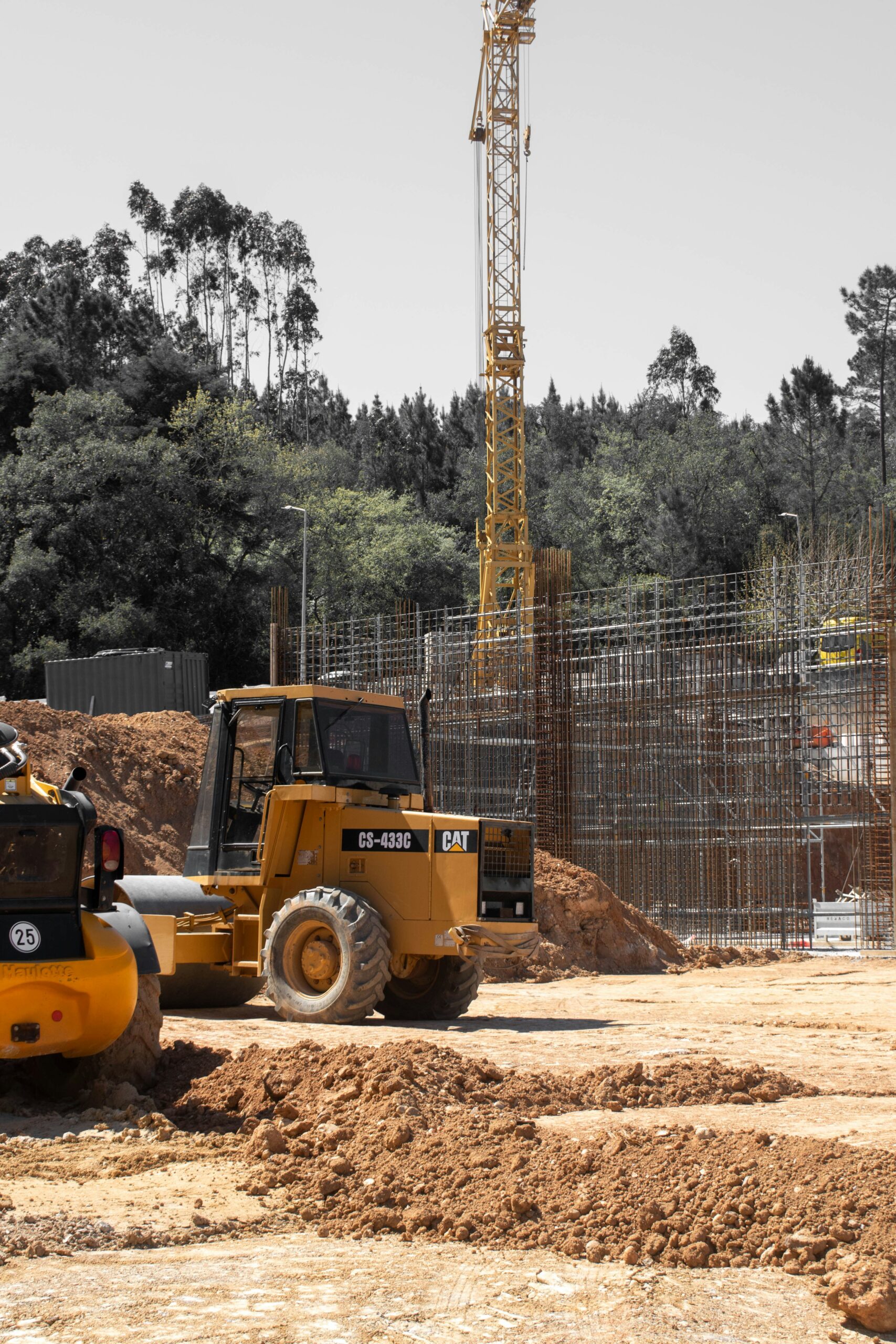
Creating temporary crane pads, truck turnarounds, or heavy equipment haul routes across muddy job sites requires substantial fill volume. Spreading pit scrapings across staging areas creates a firm, dry work platform that protects site subgrades from deep rutting under heavy equipment traffic.
Cost Advantage vs Select Fill and When It Makes Sense
Importing certified structural select fill costs between 16and16and28 per cubic yard delivered, depending on haul distance and lab testing requirements. In contrast, un-classified pit scrapings often sell for 5to5to10 per cubic yard at the pit face, or are offered free by site developers needing to export cut dirt off site.
Price Comparison per Cubic Yard
Using scrapings material in construction yields savings of 50 to 70 percent on bulk fill material costs, allowing earthwork contractors to achieve major budget savings on large acreage grading contracts.
When to Specify Pit Scrapings on Site Plans
Project managers and civil engineers specify pit scrapings when earthwork fill zones lie completely outside structural building footprints, heavy column footings, and paved parking subgrades.
Sourcing Low-Cost Scrapings and Managing Dirt Logistics
Locating nearby pits with available overburden scrapings reduces hauling distances, cycle times, and fuel costs. Earthwork superintendents looking for local fill sources can browse available listings through a dedicated construction material marketplace Texas platform like BorrowPit. Using digital marketplaces allows contractors to BorrowPit to search listings near them for low-cost scrapings or list their excess material to connect directly with regional buyers.
Conclusion
Utilizing scrapings material in construction offers a practical, highly cost-effective solution for non-structural site grading, sound berm building, and perimeter earth contouring. While un-classified scrapings cannot replace certified select fill beneath structural foundation pads, their affordability makes them invaluable for high-volume earthwork projects. Sourcing verified pit materials through BorrowPit ensures contractors find reliable local suppliers to keep earthwork operations moving profitably across Texas.
Frequently Asked Questions
What are pit scrapings in civil earthwork?
Pit scrapings are the overburden soil layers stripped from the surface of a borrow pit or quarry before commercial aggregate or clean fill dirt excavation begins.
Can scrapings material be used under building foundations?
No, un-classified scrapings material should never be placed under structural building slabs because variable organic content can decompose, causing subgrade settlement.
Is scrapings material suitable for noise abatement berms?
Yes, scrapings are ideal for building noise abatement berms, visual screening mounds, and non-structural perimeter fill because they compact well and support grass turf growth.
How much do pit scrapings cost compared to select fill?
Pit scrapings generally cost 50 to 70 percent less than certified select fill, making them highly economical for bulk non-structural grading operations.
Where can contractors find low-cost scrapings fill in Texas?
Contractors can locate regional pits offering low-cost overburden scrapings by searching material listings on specialized digital platforms like BorrowPit.